English
 Português
 Español
 русский
 中文简体
中文简体Rubber products need more than a suitable raw material. The rubber also needs to go through a curing process before it can become a useful finished product. During this process, the material changes from a soft and workable state into a more stable form that can handle regular use.
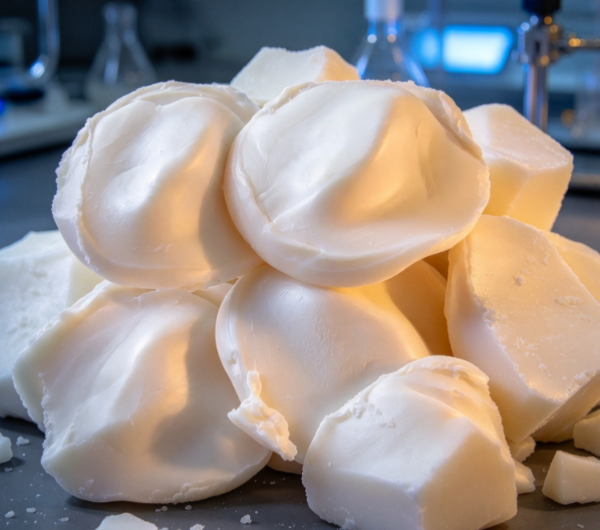
Rubber Accelerators are used to help control this process. They work as part of a rubber formulation and support the curing reaction. Their role is not simply to make rubber cure faster. They can also influence how the curing process develops and how the final rubber material behaves.
This matters because rubber products are made for many different applications. A flexible sealing product has different requirements from a rubber belt, hose, shoe component, or industrial part. Manufacturers therefore need to consider how the curing system fits the intended product.
The use of Rubber Accelerators gives manufacturers more control over this stage of production. The selection of an accelerator can affect how a rubber compound responds during curing, which makes the choice relevant to both product development and manufacturing.
What Happens During Rubber Vulcanization?
Rubber vulcanization is a process that changes the structure of a rubber compound. Before curing, rubber can be soft, sticky, and relatively easy to deform. After suitable curing, it becomes more stable and better suited to its intended application.
The process involves heat and a curing system. These elements work together to create changes within the rubber material. The result is a rubber product with a more useful balance of flexibility, strength, shape retention, and resistance to everyday conditions.
Without suitable curing, many rubber products would not have the characteristics needed for regular service. The material could remain too soft or fail to maintain its shape properly.
Vulcanization therefore has a direct connection with product development. Manufacturers need to consider the rubber material, the formulation, the intended application, and the way the product will be processed.
Accelerators become relevant because the curing reaction needs to be controlled rather than left to develop without adjustment.
| Rubber Production Stage | Main Purpose |
|---|---|
| Material preparation | Creates a workable rubber compound |
| Formulation | Brings selected ingredients together |
| Mixing | Distributes the formulation components |
| Shaping | Gives the compound its intended form |
| Vulcanization | Changes the rubber into a more stable material |
| Finishing | Prepares the cured product for its application |
Each stage affects the next one. A change in the formulation can influence processing, while the curing system can affect the characteristics of the finished product.
Why Are Rubber Accelerators Added to the Curing System?
Accelerators are added because the vulcanization process needs practical control. A curing system without suitable accelerator selection may not provide the desired processing behavior for a particular rubber formulation.
An accelerator helps the curing reaction develop in a controlled way. This allows manufacturers to work with a formulation that is better matched to the intended production process.
The word "accelerator" can make the role sound simple, but the actual purpose is broader. Different accelerators can interact differently with rubber formulations. Their selection can influence the way curing starts, develops, and reaches the desired state.
This is important because manufacturers are not producing only one kind of rubber product. They work with different materials and different product designs.
A formulation used for a flexible rubber item may not be the same as one used for a product that needs a different balance of physical properties. The curing system must therefore fit the formulation rather than being selected in isolation.
Rubber Accelerators can help manufacturers create this connection between the rubber compound and its curing requirements.
How Do Rubber Accelerators Support More Controlled Vulcanization?
Control is a central part of rubber manufacturing. A curing process needs to develop in a predictable manner so that the resulting material is suitable for the intended product.
Accelerators can influence the way the curing reaction proceeds. This gives manufacturers another way to adjust the formulation according to the product and processing requirements.
The selection may affect how the rubber responds during heating. It can also influence the balance between processing behavior and the characteristics expected after curing.
This does not mean that an accelerator works independently. Rubber vulcanization involves several formulation components and processing conditions. The accelerator is one part of a wider curing system.
Manufacturers therefore need to consider the complete formulation when choosing an accelerator. A material that works well in one formulation may not provide the same result in another.
This is why rubber accelerator selection is closely connected to product development. It is not simply a matter of adding an ingredient and expecting the same outcome across every application.
The broader production goal is to create a curing system that works with the rubber compound and supports the requirements of the finished product.
Which Rubber Products Use Rubber Accelerators?
Accelerators can be used across many rubber product categories. The exact formulation depends on the material and the intended use.
Industrial products often require a controlled curing process because the finished rubber needs to maintain its shape and function during regular operation. Consumer products may have different requirements related to flexibility, appearance, comfort, or handling.
Common application areas include:
- Sealing products
Rubber seals and related components rely on a suitable cured structure to maintain their intended form. - Hoses and flexible products
Flexible rubber products need a curing system that supports their intended combination of flexibility and stability. - Belts and industrial components
These products may require a formulation designed around repeated use and mechanical demands. - Footwear components
Rubber parts used in footwear can have different requirements depending on their position and intended function. - Automotive rubber products
Many vehicle components use cured rubber as part of sealing, protection, vibration management, or flexible connection. - General molded rubber products
A wide range of molded products can rely on controlled vulcanization during manufacturing.
| Product Category | Why Curing Control Matters |
|---|---|
| Seals | Helps the material maintain its intended form |
| Hoses | Supports the required balance of flexibility and stability |
| Belts | Helps create a suitable cured rubber structure |
| Automotive components | Supports application-specific rubber characteristics |
| Footwear parts | Helps shape and stabilize rubber components |
| Molded products | Supports consistent product formation |
The presence of Rubber Accelerators does not automatically make every rubber formulation suitable for every application. The curing system needs to match the rubber material and the product requirements.
How Does Accelerator Selection Affect Rubber Formulation?
Rubber formulation is a balancing process. Manufacturers bring together different ingredients to create a compound that can be processed and cured for a specific purpose.
An accelerator forms part of this balance. Its selection can influence the curing behavior of the compound, which means it needs to work with the other components in the formulation.
The rubber type is an important consideration. Natural rubber and synthetic rubber can have different processing characteristics. Even within synthetic rubber products, different material choices may require different formulation approaches.
The intended product also matters. A rubber compound for a seal may have different needs from a compound for a flexible hose. The manufacturer must look at how the complete formulation will behave during mixing, shaping, and curing.
Processing conditions are another consideration. The accelerator should fit the way the rubber compound will be handled during production.
This is why manufacturers often evaluate several aspects together instead of treating accelerator selection as a separate decision.
| Formulation Consideration | Related Question |
|---|---|
| Rubber material | What type of rubber is being used? |
| Product application | What will the finished rubber product do? |
| Curing needs | How should the rubber respond during vulcanization? |
| Processing | How will the compound be mixed and shaped? |
| Other formulation components | How will the accelerator work within the complete system? |
| Finished product | What characteristics does the application require? |
A suitable formulation connects these factors. The accelerator is part of that connection.
Can Different Rubber Accelerators Serve Different Applications?
Different Rubber Accelerators can be selected for different formulation and processing needs. This is one reason the market includes a range of accelerator types rather than a single universal option.
Some formulations may require a curing system that develops in a particular way. Others may place more attention on processing behavior or the characteristics of the finished rubber.
Manufacturers may therefore compare accelerator options according to the rubber material and intended application.
The choice can also relate to production priorities. A formulation used for high-volume molded products may have different processing needs from one developed for a specialized rubber component.
This does not mean that one accelerator is automatically suitable for one product category. The same rubber product can be made with different formulation approaches depending on the manufacturer's process and requirements.
For buyers, this makes product information important. Understanding the intended use of an accelerator can make communication with suppliers more productive.
Rather than asking only whether an accelerator can be used with rubber, buyers may need to describe the rubber material, product type, curing approach, and processing needs.
That information gives suppliers a clearer basis for discussing suitable options.
What Should Manufacturers Consider When Choosing Rubber Accelerators?
Choosing a Rubber Accelerator starts with the rubber compound. Manufacturers need to understand what material they are working with and what the final product needs to achieve.
The next consideration is the curing system. An accelerator should fit the broader formulation rather than being viewed as an independent additive.
Processing requirements also deserve attention. The compound needs to remain manageable during production while still developing the desired characteristics during curing.
Manufacturers may also consider the consistency of the formulation. If the same product is produced regularly, changes in ingredient behavior can affect production management.
For B2B buyers, supplier communication can help clarify these questions. Technical product documents, application guidance, and formulation support may be useful when evaluating different options.
A practical selection process can include the following questions:
| Selection Point | Question |
|---|---|
| Rubber type | Is the accelerator suitable for the rubber material? |
| Product use | Does the curing approach fit the final application? |
| Formulation | Can it work with the existing compound? |
| Processing | Does it fit the production process? |
| Curing behavior | Does it support the required curing development? |
| Product consistency | Can the formulation remain stable during regular production? |
| Supplier support | Can the supplier provide clear application information? |
These questions help move the buying decision away from product names alone. The more clearly the application is defined, the easier it becomes to discuss the right formulation direction.
How Do Rubber Accelerators Fit Modern Rubber Manufacturing?
Rubber manufacturing continues to involve a wide range of products, materials, and production methods. This creates different requirements for curing systems.
Manufacturers need to balance workable processing with the characteristics expected from the cured product. They also need to consider how the formulation behaves throughout production.
Rubber Accelerators fit into this process by giving manufacturers another tool for managing vulcanization. Their role connects the formulation stage with the curing stage.
This relationship can be seen across different rubber product categories. Seals, hoses, belts, automotive components, footwear parts, and molded rubber goods may all require different approaches to formulation and curing.
For manufacturers, accelerator selection is therefore part of a wider production decision. It involves understanding the rubber material, product application, processing method, and desired cured characteristics.
For buyers and distributors, this broader view can also make product selection clearer. Instead of treating Rubber Accelerators as a simple commodity, they can be considered as formulation components that need to match a specific rubber processing need.