English
 Português
 Español
 русский
 中文简体
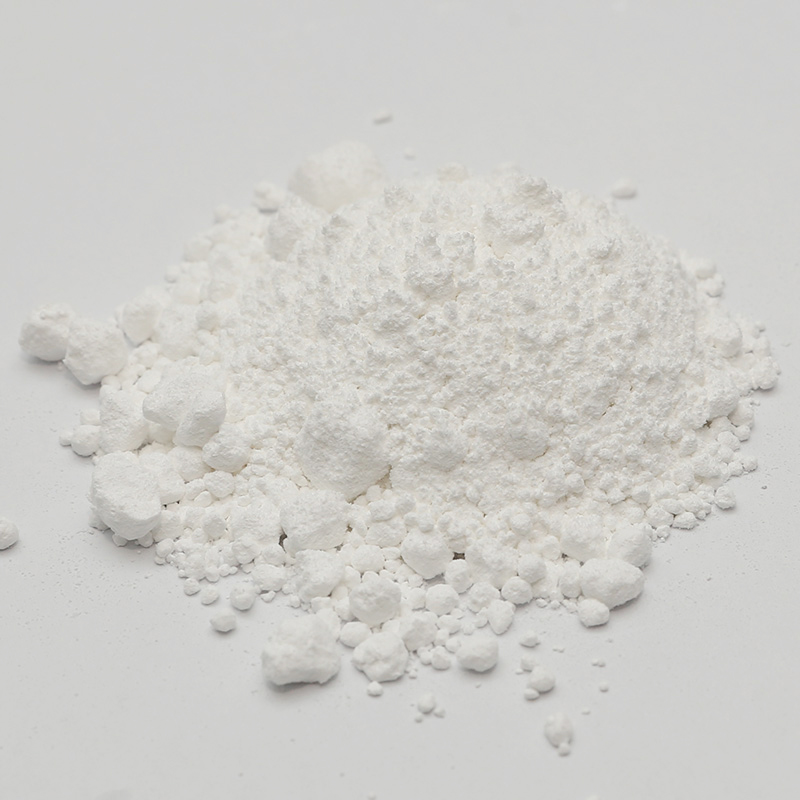
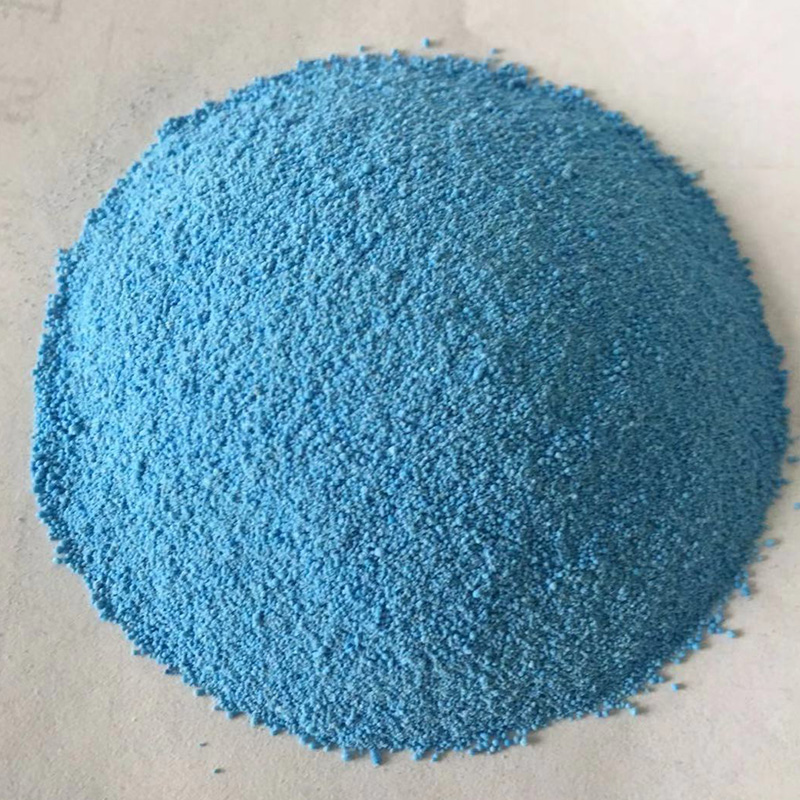
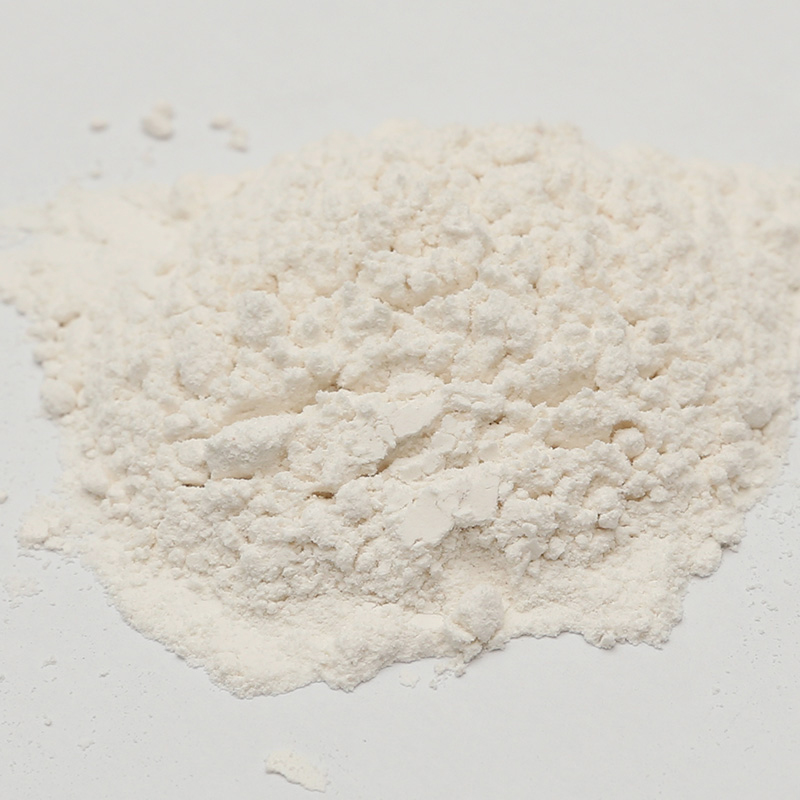
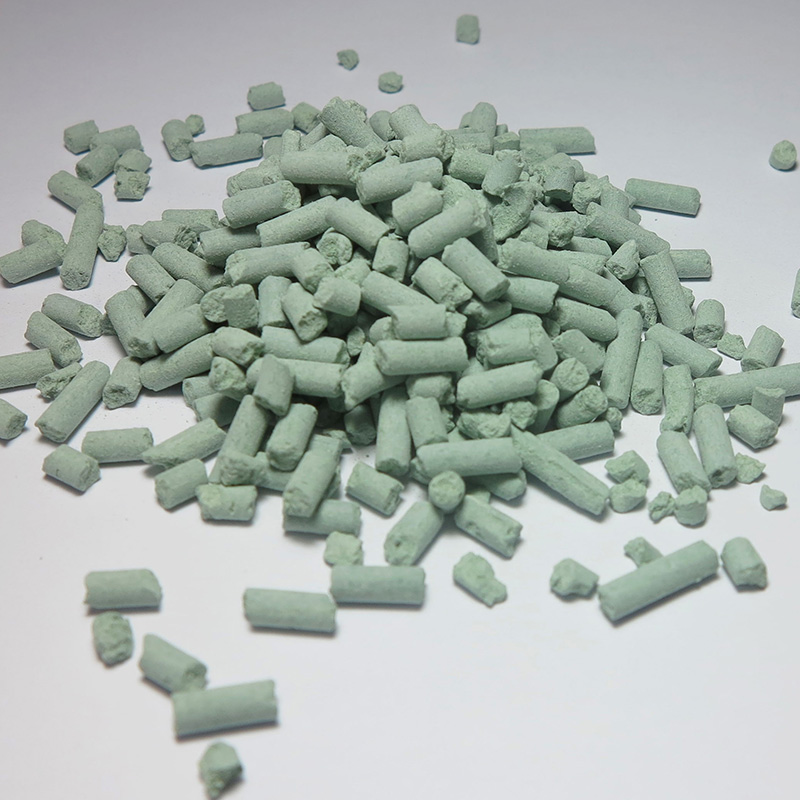
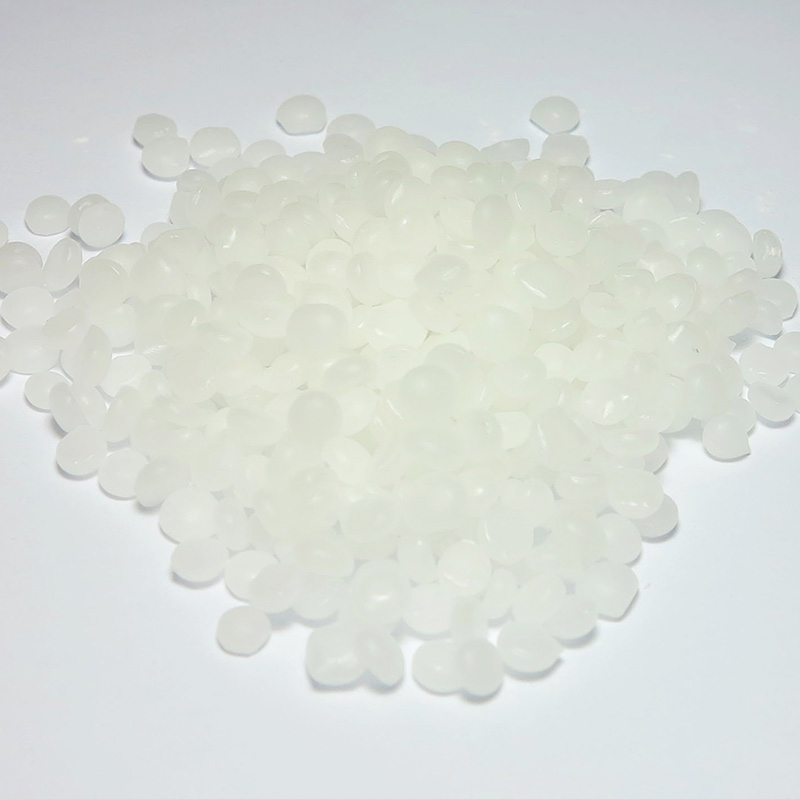
中文简体A material can leave production in good condition and still change during storage. The surrounding environment matters, particularly when containers remain unopened for a period or are opened several times during production. For a Rubber Curing Agent, storage is not simply a matter of finding an empty shelf. Temperature, moisture, packaging condition, and nearby materials all influence how well the original condition is maintained.
A dry indoor area with limited exposure to heat and contamination is generally easier to manage. Containers should have enough space around them for inspection, handling, and cleaning. Placing packages directly against damp walls or on surfaces that may collect water can create avoidable problems.
Storage personnel can also pay attention to simple physical signs:
- Packaging remains dry and undamaged.
- Closures are properly secured after use.
- The material does not show unusual clumping or texture changes.
- Dust or foreign material is not visible around openings.
- Containers have not been exposed to obvious heat or water.
These checks do not replace product-specific storage instructions. They provide a practical way to identify conditions that deserve attention before material is moved into production.
Temperature Conditions During Storage
Heat can affect stored materials even when containers are not opened. A package kept beside a warm machine, heating pipe, window, or poorly ventilated area may experience a different environment from one stored in a stable indoor location.
A common storage mistake is to focus only on the general room temperature. Local conditions can be quite different. A container near a sunny window may warm considerably compared with one several meters away. The area beside operating equipment can also become warmer than the rest of the storage space.
Repeated movement between warm and cool locations is another point worth considering. Materials may be taken from storage, left near production equipment, and then returned after use. Frequent changes can make storage conditions less consistent.
A practical storage arrangement keeps containers away from:
- Direct sunlight
- Heat-producing machinery
- Heated pipes or surfaces
- Areas with poor air circulation
- Outdoor or semi-open spaces
The exact temperature requirements should come from the relevant product instructions. General warehouse practices should support those requirements rather than replace them.
Humidity and Moisture Exposure
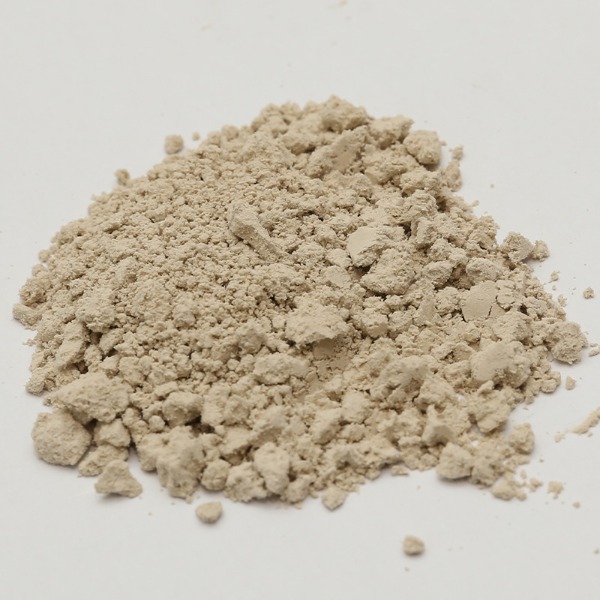
Moisture can be harder to notice than heat because the problem may begin inside a package. A container may look normal from the outside while the material gradually changes after repeated exposure to humid air.
This becomes particularly relevant after a package has been opened. Each opening allows surrounding air to enter. Leaving the container open during breaks, production changes, or cleaning activities gives moisture more opportunity to reach the material.
Good housekeeping helps reduce this risk. Storage areas should be checked for leaking roofs, wet floors, condensation, and water pipes. Containers should stay away from locations where splashing or standing water is possible.
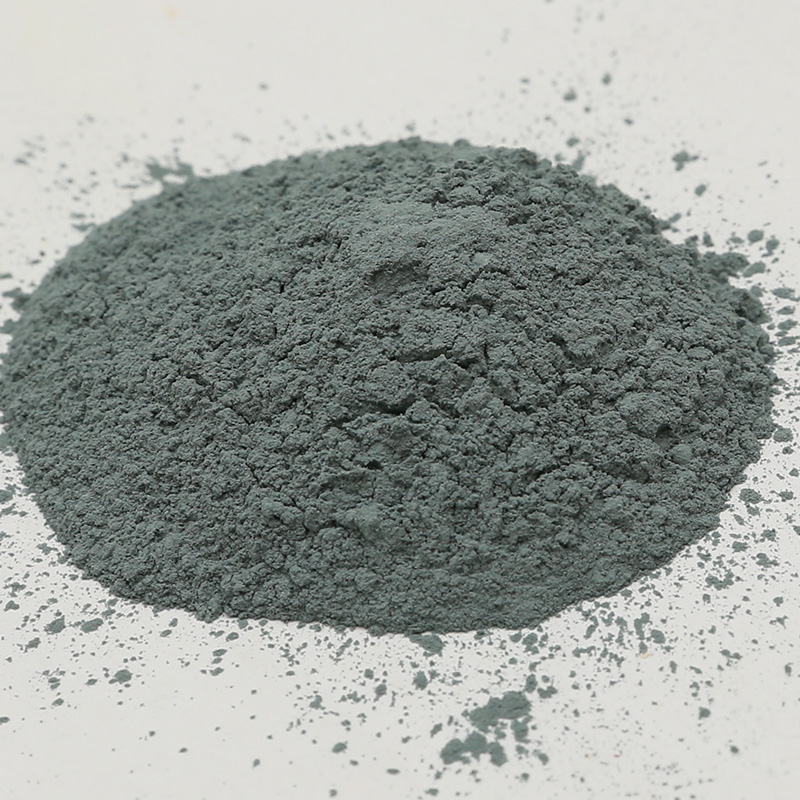
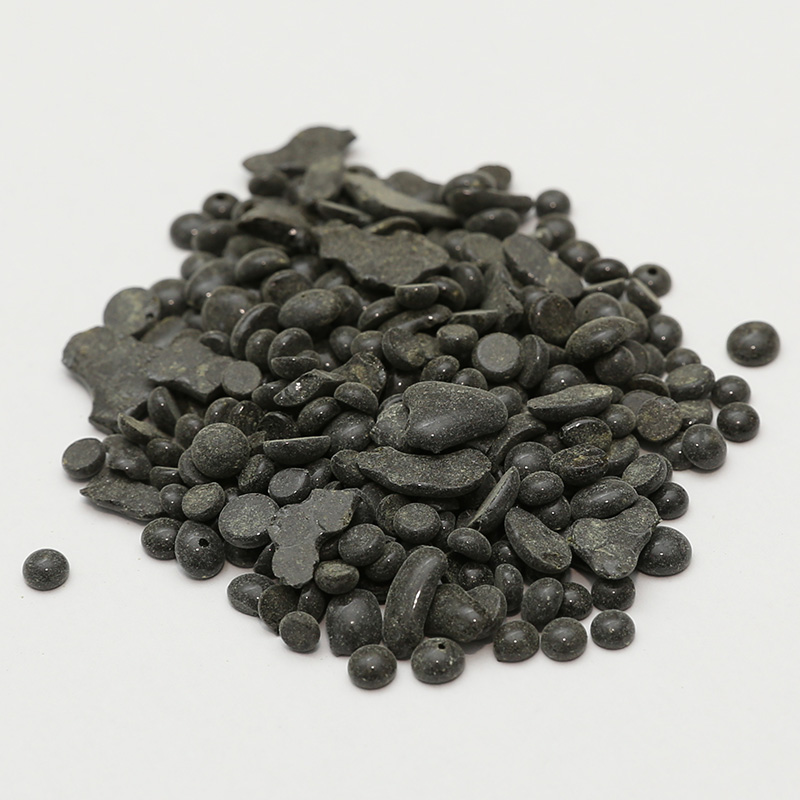
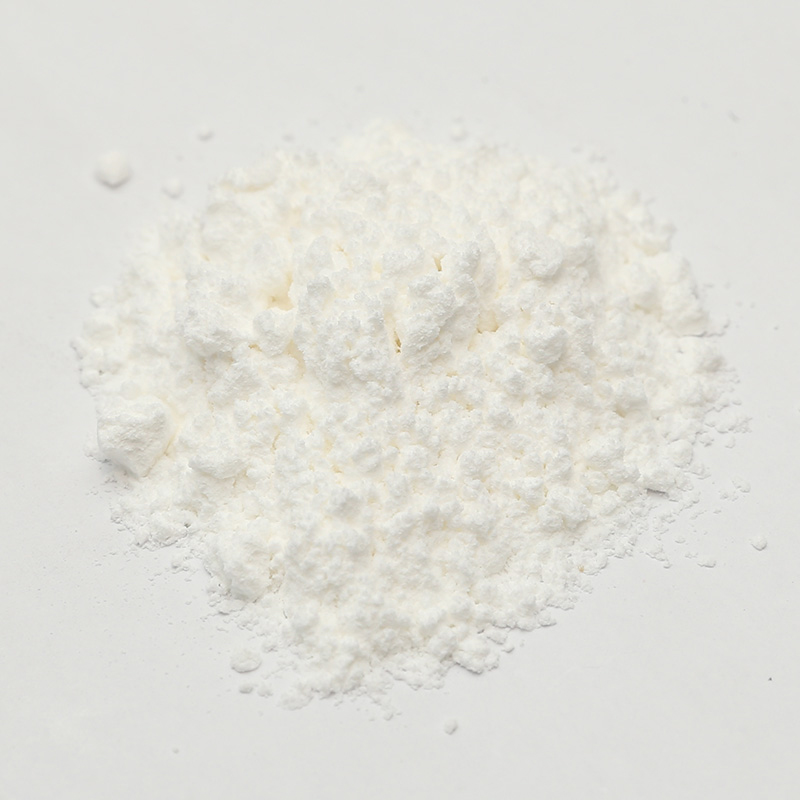
Changes in physical appearance can provide useful warning signs. Depending on the material form, moisture exposure may contribute to clumping, altered flow, or a different texture. Such changes can make later weighing or feeding less convenient.
Simple habits are useful:
- Close packages promptly after material is removed.
- Keep storage surfaces dry and clean.
- Do not place containers where water may collect.
- Check opened packages before returning them to storage.
- Separate visibly affected material for further assessment rather than mixing it with unaffected stock.
Packaging Sealing and Air Exposure
Packaging is part of the storage system. Once a container is damaged or left improperly closed, the conditions around the material change even though the warehouse itself may be suitable.
A package should be checked when it arrives in storage and again after handling. Tears, loose closures, crushed sections, or signs of moisture can indicate that the container needs attention. Heavy items should not be stacked in a way that puts unnecessary pressure on packages underneath.
Opened containers need particular care. The original closure should be used correctly, and temporary covers should not be treated as a permanent substitute unless the applicable storage instructions allow it. Materials that have been opened should also be easy to identify, so their condition can be checked before further use.
Keeping containers clean around the opening is useful as well. Dust, residue from other materials, or moisture on handling tools can enter a package during routine work. A clean closure area reduces one simple source of contamination.
Good storage does not require complicated procedures at every step. Consistent control of heat, moisture, air exposure, and package condition provides a practical foundation for keeping materials in a usable state until they are needed in production.
Warehouse Placement and Material Arrangement
The position of a container inside a storage area can affect daily handling. A package placed behind other materials may be difficult to inspect, while one located close to a busy passage may be exposed to repeated movement or accidental contact.
A Rubber Curing Agent should be kept in a location that allows workers to check the package without moving several other containers. Clean shelves, pallets, or other suitable supports can keep packages away from floors and make signs of damage easier to notice.
Storage arrangement can also reduce unnecessary handling. Frequently moved materials need enough access space around the containers. Heavy packages should be positioned in a way that avoids excessive pressure on lighter packaging below. Materials with different storage requirements should remain clearly separated rather than being placed together simply because space is available.
| Storage Situation | Practical Arrangement |
|---|---|
| Limited access around containers | Leave enough space for inspection and movement |
| Packages placed near passageways | Move them to a less disturbed storage position |
| Different material requirements | Keep materials separated and clearly identified |
| Heavy packages | Avoid placing them where lower containers may be damaged |
| Long-term storage | Keep containers accessible for periodic checks |
A tidy storage area also makes stock movement easier to track. Older opened containers can be identified without repeatedly disturbing sealed packages. Clear placement reduces unnecessary movement and lowers the chance of accidental package damage.
Handling During Storage and Routine Inspection
Storage does not end when a container reaches its assigned position. Packages are often moved during stock checks, production preparation, cleaning, or warehouse reorganization. Rough handling can damage closures, seams, labels, or other parts of the package.
Movement should be kept controlled. Containers should not be dragged across rough surfaces or dropped into place. Tools used for lifting or transferring packages should also be suitable for the container type.
Routine inspection can focus on visible conditions rather than complicated testing. A storage worker can check whether the package remains intact, whether the closure is secure, and whether there are signs of moisture, contamination, or unusual material changes.
Useful inspection points include:
- Package surface and seams
- Closure or opening area
- Signs of water contact
- Unusual clumping or texture
- Foreign particles around the container
- Label condition and material identification
A change in appearance does not automatically indicate that the material is unsuitable for production. It does, however, provide a reason for further checking against the applicable handling requirements. Material with an uncertain condition should be kept separate until its status has been confirmed.
Storage records can support this process without becoming complicated. Basic information about opened containers, internal movement, and inspection findings can help workers recognize changes in condition and avoid unnecessary repeated handling.
Preparation Before Production Use
The condition of stored material should be checked before production begins. A Rubber Curing Agent may have been moved between storage and working areas, so the condition observed at the point of use may differ from the condition recorded when the container entered storage.
The inspection can begin with the package itself. Damage, moisture marks, an unsecured closure, or contamination around the opening deserves attention. After opening, the material can be checked for visible changes in texture or physical condition.
A practical preparation sequence can include:
- Confirm the material identity against the production requirement.
- Check the external condition of the package.
- Inspect the closure before opening.
- Observe the material after opening.
- Separate any material with an uncertain condition.
- Follow the applicable handling instructions before production use.
Opening a container in an unsuitable area can create another storage-related problem. Production preparation should take place in a clean working environment rather than beside water sources, dusty operations, or unnecessary heat.
Material that has been returned to storage after partial use also requires attention. The container should be closed according to the applicable instructions, kept in its designated area, and checked again before the next use.
Consistent storage practices make material condition easier to monitor from warehouse placement through production preparation. Attention to package condition, orderly arrangement, careful handling, and simple visual checks can reduce avoidable storage problems without adding unnecessary complexity to routine work.