English
 Português
 Español
 русский
 中文简体
Rubber products are woven into daily life everywhere — vehicle tires, industrial hoses, seals, belts, protective gear. They look simple enough from the outside, but producing them actually hinges on carefully managing the rubber curing process behind the scenes. Rubber accelerators are a core part of that process, helping the rubber compound cure under the right conditions.
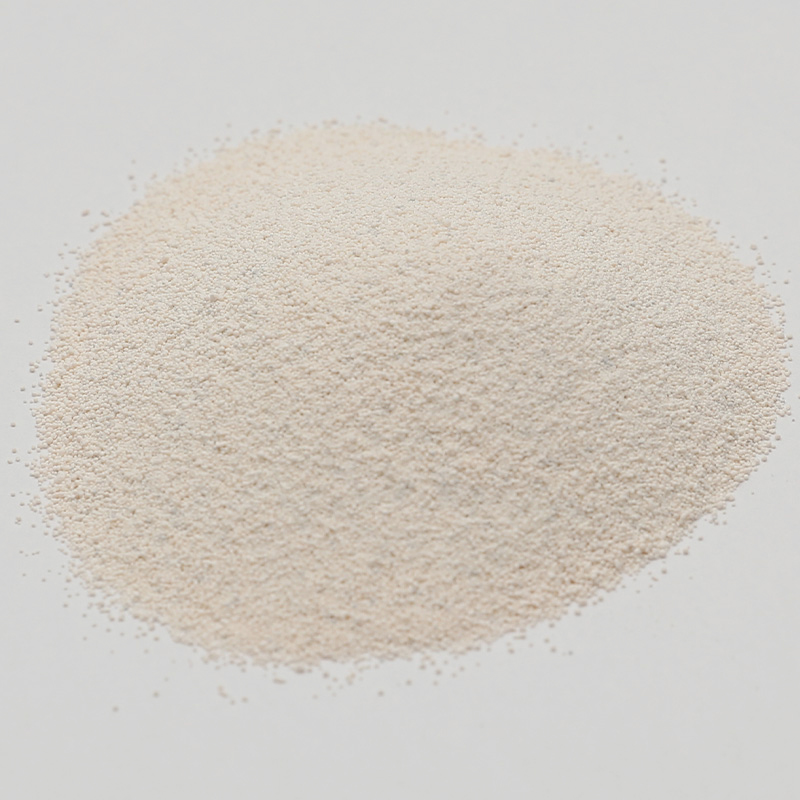
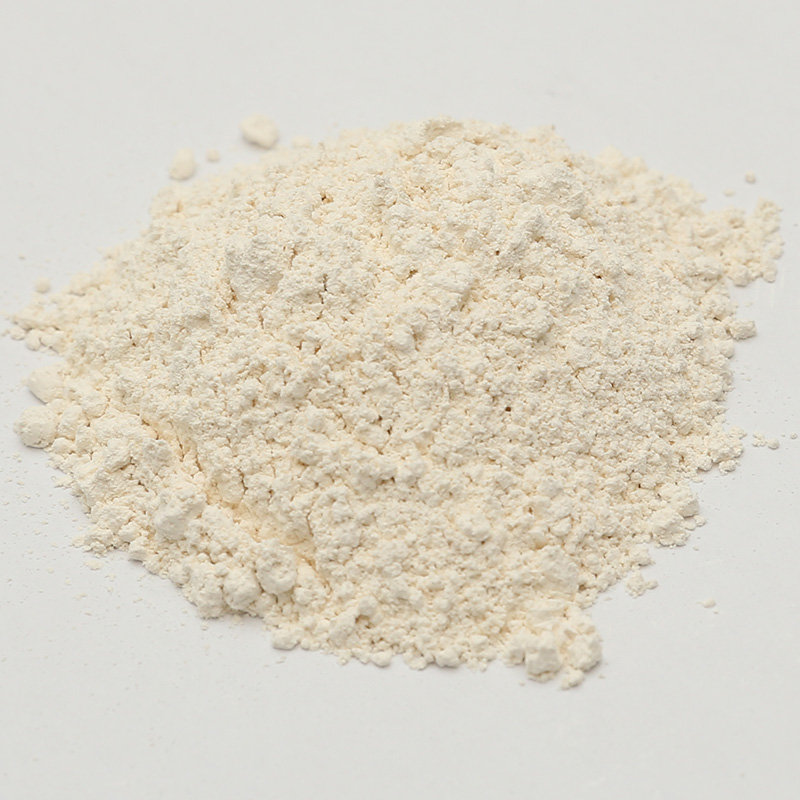
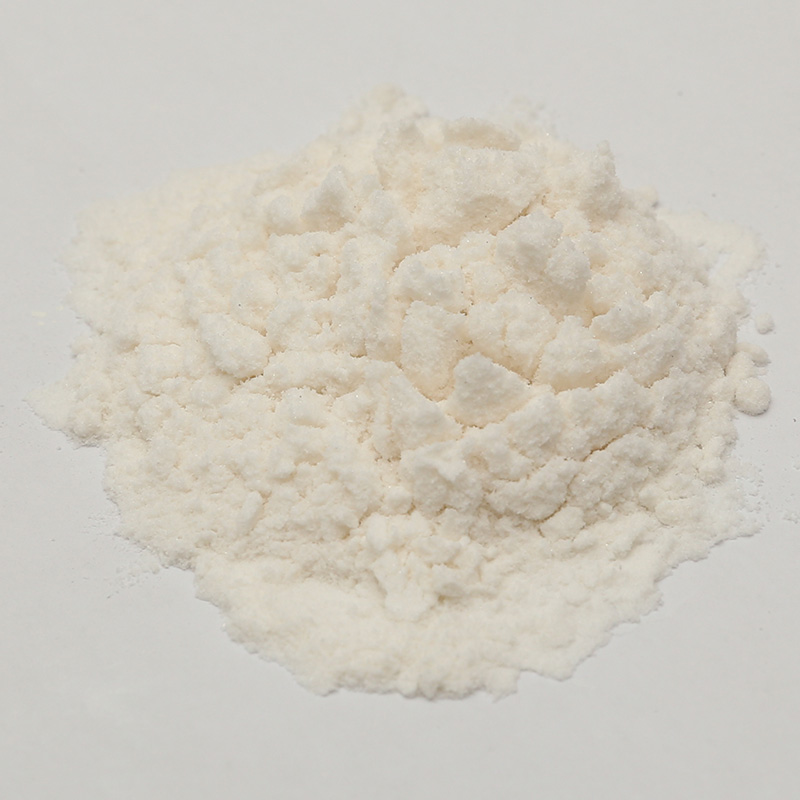
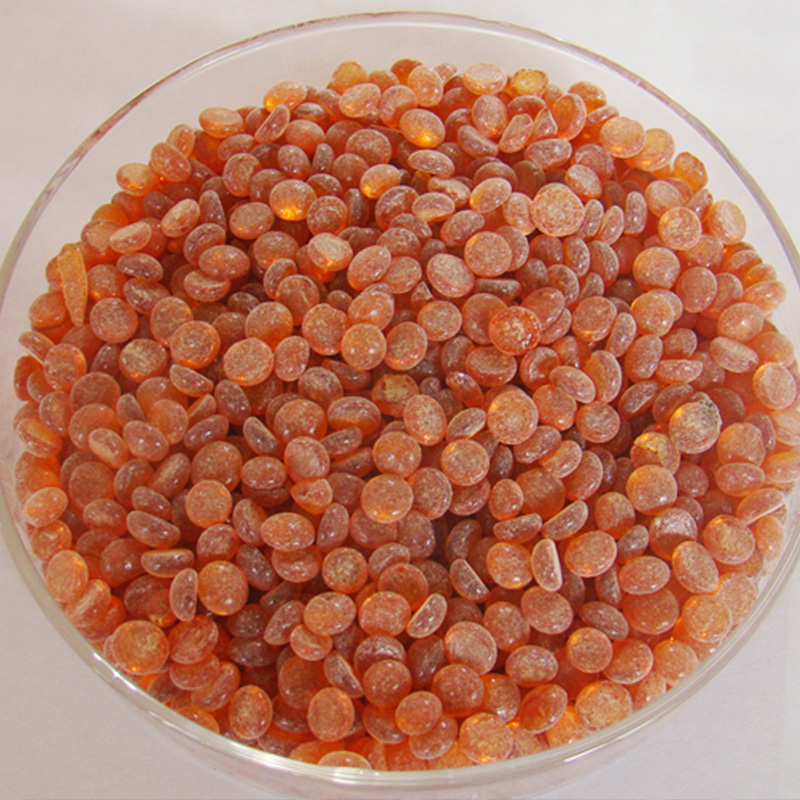
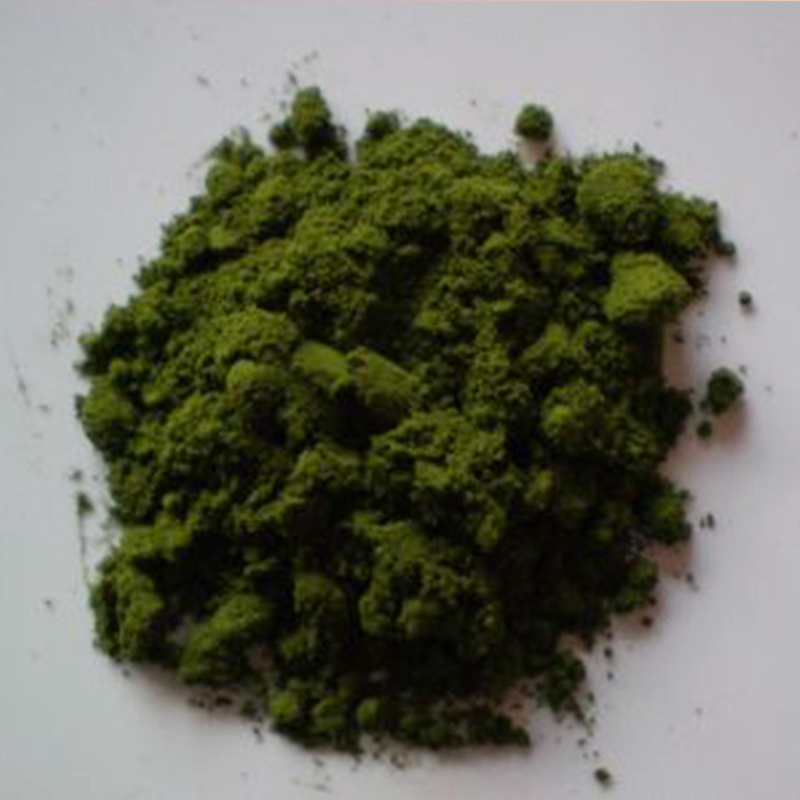
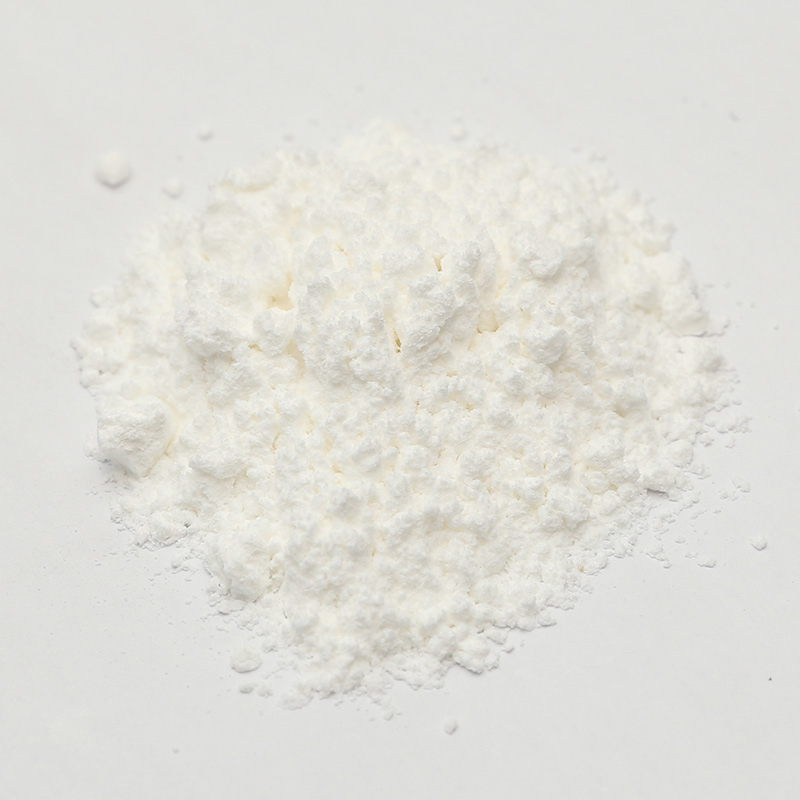
Rubber Accelerator MBT is one of the long-established materials in rubber manufacturing — more formally known as 2-mercaptobenzothiazole, and part of the benzothiazole family of accelerators. But it's far from the only option compounders reach for. Other accelerators — MBTS, CBS, TBBS, TMTD — bring their own characteristics to the table and often serve genuinely different purposes within a formulation.
None of these materials swap in for each other automatically, worth saying upfront. Their effects shift depending on rubber type, overall formulation, curing system, and whatever the finished product actually demands. Getting a handle on these differences helps manufacturers evaluate materials with real precision and land on an accelerator that genuinely fits their production needs.
What Is Rubber Accelerator MBT , and What Does It Do?
Rubber Accelerator MBT is a chemical additive used to support vulcanization, the process that helps transform rubber into a material with useful elastic and mechanical properties. During vulcanization, the rubber structure develops links that help it maintain its shape and performance under use.
Without a suitable curing system, rubber compounds may not develop the properties required for their intended applications. Accelerators help control how the curing process proceeds. They are therefore an important part of compound design rather than simple ingredients added without a specific purpose.
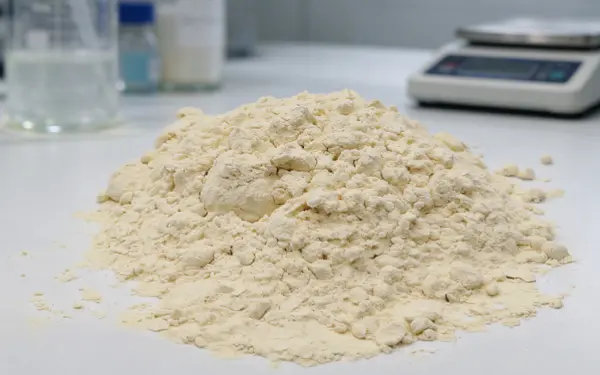
MBT is valued for its role in sulfur-based curing systems. It can help promote the vulcanization of suitable rubber compounds and influence the balance between processing behavior and the properties of the cured material. Its actual effect depends on the other ingredients and the conditions used during production.
One reason MBT remains relevant is its role as a reference point when comparing different accelerator families. Manufacturers can assess its behavior against other materials when developing or adjusting a formulation.
However, MBT should not be treated as a universal solution for every rubber product. A compound designed for a tire component may have different needs from one used in a seal, hose, or molded industrial part. The accelerator must be considered as part of the complete formulation.
It is also useful to distinguish MBT from MBTS. Their names are similar, but they are different chemical materials. MBTS is commonly known as dibenzothiazole disulfide and has its own curing behavior. Confusing the two can lead to incorrect assumptions during purchasing or formulation work.
How Does MBT Differ From Other Rubber Accelerators?
The main differences between rubber accelerators relate to their curing behavior, processing characteristics, compatibility with other ingredients, and suitability for particular products. Some are used when a formulation needs a particular balance between processing time and curing response. Others are selected as part of a system designed around the requirements of the finished rubber component.
MBT belongs to the benzothiazole accelerator family. Other common materials include MBTS, CBS, TBBS, and TMTD. Although they all serve as rubber accelerators, they do not produce identical results.
| Accelerator | General characteristics | Common selection consideration |
|---|---|---|
| MBT | A benzothiazole accelerator used in sulfur-based curing systems | Its curing response and compatibility with the overall compound |
| MBTS | A related benzothiazole accelerator with different curing behavior | Processing needs and the desired curing profile |
| CBS | A delayed-action accelerator often considered when processing safety is important | The balance between processing stability and curing response |
| TBBS | A delayed-action accelerator used in many sulfur-cured rubber formulations | Compound requirements and the intended curing system |
| TMTD | A thiuram accelerator with a different role and activity profile | Its place in the curing system and the required compound properties |
These descriptions are general. The performance of any accelerator depends on the complete formulation and production conditions. Even materials from the same chemical family may behave differently when used with different rubber types, sulfur systems, activators, or other additives.
The practical question is not simply which accelerator has the strongest effect. Manufacturers need to consider how the material fits the production process and whether the cured rubber meets the product's functional requirements.
How Does MBT Compare With MBTS?
MBT and MBTS are often discussed together because they are chemically related and belong to the benzothiazole family. Their similar names can make them seem like minor variations of the same product. In practice, their curing behavior is different enough that manufacturers should evaluate them separately.
MBT is commonly used as an accelerator in sulfur-based rubber curing systems. It can contribute to the curing response of a compound and may be used alone or alongside other ingredients, depending on the formulation.
MBTS is another widely recognized accelerator. It is often associated with a more delayed curing response than MBT under comparable formulation conditions. This characteristic can be useful when compounders need to balance processing requirements with the timing of vulcanization.
The difference matters during manufacturing. Rubber compounds must be mixed, shaped, and prepared before curing is complete. If curing begins too early for the selected process, the material may become difficult to handle. If the curing response does not suit the production method, manufacturers may need to adjust the formulation or processing conditions.
Neither material should be selected based on its name or chemical relationship alone. A compounder needs to consider the required processing window, the type of rubber, the curing system, and the properties expected from the finished component.
When evaluating a change from MBT to MBTS, manufacturers should also consider whether the adjustment affects other ingredients. Changing an accelerator can influence the behavior of the entire curing system, so a material substitution may require formulation review and testing.
Why Do Manufacturers Consider CBS and TBBS Instead of MBT?
CBS and TBBS are delayed-action accelerators commonly used in sulfur-cured rubber compounds. Their role is particularly relevant when manufacturers need to manage the relationship between processing and curing.
In rubber production, the compound must remain workable long enough to pass through the required manufacturing steps. Mixing, shaping, extrusion, and molding can expose the material to heat and mechanical action. The accelerator system must support the production process without causing unwanted early curing.
Delayed-action accelerators are often considered when a formulation needs a greater margin between processing and the start of significant vulcanization. This does not mean they are suitable for every product. Their performance still depends on the rubber type, formulation, and manufacturing conditions.
CBS and TBBS have distinct chemical structures and may behave differently within a given compound. The choice between them can depend on the desired curing response, the production method, and the properties needed in the finished rubber.
Compared with MBT, these materials may offer a different balance of processing safety and curing behavior. However, the difference cannot be judged in isolation. A manufacturer should evaluate the accelerator together with sulfur, activators, fillers, and other ingredients that affect the compound.
The intended application also matters. A rubber product that requires stable shaping before curing may have different formulation priorities from one made through another process. Selecting an accelerator based on the manufacturing requirements can help reduce unnecessary adjustments later.
When Might TMTD Be Considered Instead of MBT?
TMTD belongs to the thiuram family of rubber accelerators. It differs from MBT in chemical structure and in the role it can play within a curing system. This makes it an option for certain formulations, but not a direct substitute for MBT in every application.
TMTD can act as a highly active accelerator in suitable rubber compounds. It may also be used in curing systems where its chemical behavior serves a specific formulation purpose. In some systems, thiuram materials can contribute to sulfur supply as well as acceleration, depending on the compound design and the way the material is used.
These characteristics mean that replacing MBT with TMTD can change more than the speed of curing. The overall balance of ingredients may need to be reconsidered. Manufacturers should account for processing behavior, the curing profile, and the properties required from the final product.
The selection process should also consider handling instructions and applicable safety requirements. Rubber chemicals can differ in their hazard profiles, so product documentation and workplace procedures should guide storage, handling, and use.
For manufacturers, the important point is that TMTD and MBT serve different roles in formulation design. The right choice depends on the purpose of the accelerator in the complete curing system rather than a general assumption that one material can replace another.
Which Factors Should Guide the Choice of Rubber Accelerator?
Choosing an accelerator requires more than comparing product names. The same material may perform differently when the rubber type, other ingredients, or production method changes. Manufacturers should evaluate the needs of the complete process.
Several factors can help guide the decision.
Rubber type
Different rubber materials have different chemical structures and curing requirements. An accelerator suitable for one rubber compound may not produce the same result in another. The base polymer should therefore be considered before selecting the curing system.
Processing method
The compound may need to pass through mixing, extrusion, molding, or other manufacturing steps. The accelerator should support the required processing window and curing response. Manufacturers should consider how the material behaves throughout production rather than focusing only on the final curing stage.
Desired product properties
Rubber components may need to resist repeated movement, pressure, wear, weather exposure, or contact with particular substances. These requirements influence the formulation as a whole. The accelerator contributes to the curing system, but it cannot determine every property on its own.
Compatibility with other ingredients
Accelerators interact with the broader formulation. Sulfur, activators, fillers, processing aids, and other additives can influence curing behavior. A change in one ingredient may affect the role of the others, so formulation adjustments should be evaluated as a complete system.
Handling and compliance
Manufacturers should review the safety information and handling instructions for the selected chemical. Storage conditions, workplace controls, labeling, and local regulatory requirements all matter. These considerations should be addressed during purchasing and production planning.
Supply consistency
A stable supply of material helps manufacturers maintain their established production routines. Buyers may review product specifications, quality documentation, packaging, and supplier communication to understand whether a material fits their operational needs.
Considering these factors together can help manufacturers avoid choosing an accelerator based on a single characteristic. A suitable material should support both the manufacturing process and the intended use of the finished rubber product.
How Can Manufacturers Evaluate an Accelerator Before Changing a Formulation?
Changing from one accelerator to another may affect the behavior of a rubber compound in ways that are not immediately obvious. A material that appears similar on paper may produce a different processing or curing response when introduced into an existing formulation.
A controlled evaluation helps identify these differences before the change becomes part of routine production. Manufacturers can begin by reviewing the current formulation and identifying the reason for considering an alternative. The goal may be to adjust processing behavior, improve compatibility with the production method, address supply needs, or meet a particular product requirement.
The proposed accelerator should then be reviewed against the relevant technical information. This includes its intended use, handling requirements, and compatibility with the rubber system. Supplier documentation can help clarify the material's identity and expected role.
Testing should reflect the intended manufacturing process. Depending on the application, this may involve assessing compound handling, curing behavior, and the properties of the cured rubber. Results should be compared with the requirements established for the product rather than judged through a single observation.
Manufacturers should also consider the effect on the wider production workflow. A formulation change may influence mixing procedures, processing conditions, quality checks, or operator instructions. These effects should be reviewed before the revised compound is adopted.
Communication between purchasing, production, quality, and technical teams can support this process. Purchasing staff can confirm material identity and supply details, while technical personnel assess the formulation and manufacturing implications. Quality teams can verify that the finished product continues to meet the relevant requirements.
A careful evaluation helps ensure that the decision is based on the compound's actual behavior. It also reduces the risk of treating MBT, MBTS, CBS, TBBS, and TMTD as interchangeable materials simply because they share a role in rubber curing.