English
 Português
 Español
 русский
 中文简体
中文简体Rubber is used in many products that people rarely notice. A seal inside a machine, a flexible hose under a vehicle, a protective cover around a wire, or a small part inside industrial equipment may all depend on rubber materials.
Natural rubber is one option, but it is not the only choice. Synthetic rubber provides another group of material options for manufacturers. It is produced for different product requirements and can be developed for applications where a controlled material structure is needed.
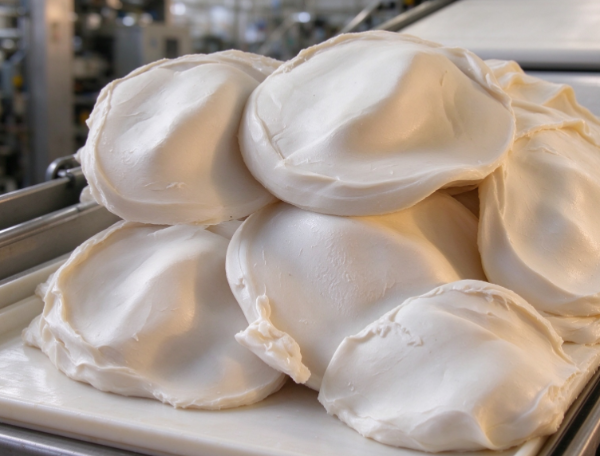
This is why synthetic rubber has become part of many manufacturing processes. It can appear in large industrial components as well as small parts that perform a simple supporting function.
The actual application depends on the type of synthetic rubber, the product design, the surrounding environment, and the role of the finished component. Some products need flexibility. Others need sealing, protection, cushioning, or resistance to everyday use.
Understanding where synthetic rubber is commonly used helps product designers, manufacturers, and buyers identify where this material may fit into a product or production process.
What Types of Products Commonly Use Synthetic Rubber?
Synthetic rubber is used in a wide range of products because rubber components can perform several basic functions. They can create a flexible connection, help prevent leakage, reduce contact between parts, or provide a protective layer.
The material is often found in products where rigid materials alone would not be practical.
A rubber component may need to move slightly while remaining connected to another part. A seal may need to sit between two surfaces. A cover may need to protect a component from ordinary contact. A flexible section may need to absorb movement within a product.
Common product categories include:
| Product Category | Common Rubber Function |
|---|---|
| Automotive components | Sealing, protection, flexibility |
| Industrial equipment | Sealing, connection, cushioning |
| Hoses and tubes | Flexible fluid or air transfer |
| Electrical products | Protection and insulation support |
| Construction products | Sealing and weather protection |
| Mechanical products | Sealing, movement, and vibration control |
| Consumer products | Grip, flexibility, protection |
| Machinery components | Sealing and contact support |
The use of synthetic rubber is not limited to one particular product type. Manufacturers select a suitable rubber material based on what the finished component needs to do.
This makes application requirements more important than the material name alone.
Where Is Synthetic Rubber Used in Automotive Manufacturing?
The automotive industry is one of the areas where rubber components are widely used. Vehicles contain many moving parts, connections, fluid systems, and enclosed spaces. These systems often require flexible or sealing components.
Synthetic rubber can be used in hoses, seals, gaskets, protective covers, and other rubber components.
Sealing is an important function. A seal can sit between two connected parts and help prevent unwanted movement of fluids or air. The rubber component needs to remain in position while the surrounding parts perform their normal functions.
Flexible hoses provide another example. A hose may need to bend while remaining connected to other components. Rubber provides the flexibility needed for this type of product design.
Protective covers can serve a different purpose. They may surround a mechanical connection or moving part and help reduce exposure to dust, moisture, or everyday contact.
Other automotive applications can include:
- Engine-related rubber components
- Seals and gaskets
- Flexible hoses
- Protective boots
- Suspension-related components
- Door and window sealing products
- Vibration control components
The exact material choice depends on the location and function of the component. A rubber part used near a heat source may have different material requirements from one used inside a general vehicle enclosure.
For automotive manufacturers, synthetic rubber therefore provides a flexible material option for many different component designs.
How Is Synthetic Rubber Used in Industrial Equipment?
Industrial equipment often contains many connections and moving parts. These systems need components that can support regular operation without interfering with the main function of the machine.
Synthetic rubber is commonly used in industrial seals, gaskets, hoses, pads, covers, and other components.
Seals can help close the space between connected parts. This is useful in equipment that handles fluids, air, or other materials. A properly designed rubber seal can provide a flexible contact surface between components.
Hoses are another common application. Industrial systems may need flexible connections between different sections of equipment. A rigid connection may not work well when movement or installation space needs to be considered.
Rubber pads and similar components can provide another function. They can sit between parts and help manage contact, movement, or vibration.
Synthetic rubber can therefore appear in many less visible areas of industrial machinery. The component may be small, but its role can still be connected to the overall operation of the equipment.
For manufacturers, the selection process usually begins with the function of the part. The surrounding environment, contact with other materials, movement, and expected use all need to be considered before selecting a suitable rubber material.
Why Is Synthetic Rubber Used for Sealing Products?
Sealing is one of the common reasons manufacturers use synthetic rubber.
Many products contain two or more parts that need to connect while keeping a space closed. A rigid material may not provide enough flexibility to create a suitable contact between those surfaces.
Rubber can adapt to small changes in the contact area. This makes it useful for seals, gaskets, rings, and other sealing components.
A sealing product may be used in a pump, valve, machine, vehicle, appliance, or industrial system. Although the products are different, the basic need is similar: the seal needs to sit between surfaces and help control unwanted leakage or entry.
Synthetic rubber gives manufacturers material options for different sealing environments. The choice may depend on contact with fluids, temperature conditions, movement, and the surrounding materials.
Common sealing products include:
| Sealing Product | Typical Application Area |
|---|---|
| Rubber seals | Machinery and equipment |
| Gaskets | Connected surfaces |
| Sealing rings | Mechanical assemblies |
| Rubber washers | Fastened connections |
| Flexible sealing strips | Doors, windows, and equipment |
| Protective sealing parts | Enclosures and mechanical systems |
A seal is often a small component, but its position makes material selection important. The rubber needs to work with the surfaces around it rather than simply filling an empty space.
Where Is Synthetic Rubber Used in Mechanical Products?
Mechanical products often involve movement between connected components. Parts may rotate, slide, press against each other, or move slightly during operation.
Synthetic rubber can support these designs through flexible components, seals, covers, and cushioning parts.
For example, a rubber component can be positioned between two mechanical parts to provide a flexible contact surface. Another rubber part may help protect a moving connection from outside exposure.
In rotating equipment, seals can be used around shafts and other connected parts. The seal needs to remain in place while the surrounding component moves.
Rubber can also be used in couplings and flexible connections. These parts may need to accommodate small amounts of movement while keeping two components connected.
Mechanical applications may include:
- Pumps
- Valves
- Gear systems
- Bearings and bearing-related components
- Mechanical seals
- Flexible couplings
- Machine covers
- Rubber pads and supports
The use of synthetic rubber in mechanical products is often related to the material's ability to combine flexibility with practical support.
Product designers may select different rubber materials depending on the specific working environment. This allows the rubber component to be developed around the needs of the machine rather than using the same material for every application.
How Is Synthetic Rubber Used in Electrical and Electronic Products?
Electrical and electronic products contain many small components that need protection. Some parts need to remain separated from surrounding materials. Others may need a flexible cover or seal.
Synthetic rubber can be used in cable protection, seals, flexible covers, grommets, and other components.
A rubber grommet, for example, can sit around a cable where it passes through a panel or opening. It can help protect the cable from direct contact with the surrounding edge.
Rubber seals can be used in electrical enclosures where a flexible connection between surfaces is needed. Protective rubber components may help keep certain areas separated from outside conditions.
The material can also be used in products that require flexible buttons, grips, or protective covers.
These applications show that synthetic rubber is not limited to heavy machinery. It can appear in smaller products where flexibility and protection are part of the design.
For manufacturers, the electrical environment can affect material selection. The product design needs to consider the role of the rubber component and how it interacts with nearby materials.
Is Synthetic Rubber Used in Construction and Building Products?
Construction products provide another area where synthetic rubber can be useful. Buildings contain doors, windows, joints, pipes, roofing systems, and other structures that may require flexible sealing or protective components.
Rubber sealing strips can be used around doors and windows. These components can help close gaps between moving or fixed surfaces while allowing the door or window to operate normally.
Synthetic rubber can also be found in construction-related seals, expansion components, protective strips, and other products where flexibility is required.
Some building products need to deal with changing environmental conditions. A rigid material may not maintain the same contact as surrounding materials move or change. A flexible rubber component can provide a way to accommodate this movement.
Applications may include:
- Door seals
- Window seals
- Building joints
- Pipe-related sealing products
- Roofing components
- Protective strips
- Expansion-related products
The actual material choice depends on the product design and its intended environment. Manufacturers may consider exposure, movement, contact surfaces, and installation conditions when developing these products.
How Do Manufacturers Choose Synthetic Rubber for Different Applications?
There is no single synthetic rubber material that automatically fits every product. Different applications place different demands on the finished component.
A manufacturer normally begins by understanding what the rubber part needs to do. A seal may require different characteristics from a flexible hose. A protective cover may have different requirements from a vibration-related component.
The surrounding environment matters as well. Contact with fluids, exposure to heat, movement, pressure, outdoor conditions, or nearby materials can influence the selection process.
Manufacturers may consider several questions:
- What is the main function of the rubber component?
Is it intended to seal, protect, connect, cushion, or provide flexibility? - What will the component contact?
The surrounding material and any fluids or substances may affect material selection. - How much movement is expected?
A flexible connection may need a different material approach from a stationary seal. - Where will the component be installed?
Indoor equipment, vehicles, industrial machinery, and outdoor products can create different application conditions. - How will the component be produced?
The manufacturing process should work with the desired product shape and design.
For buyers, these questions can make communication with a Synthetic Rubber Factory more practical. Instead of asking only for a general rubber product, buyers can describe the intended application and the function of the finished component.
A factory can then better understand whether the required material and production approach match the product.
This is particularly relevant for custom rubber components. The final product may need a specific shape, connection method, sealing role, or flexible structure. Clear application information helps manufacturers develop a product around the actual use rather than relying on a general-purpose design.