English
 Português
 Español
 русский
 中文简体
中文简体Rubber products can look simple when they reach the market. A seal, hose, belt, pad, or molded rubber part may have a clean and familiar shape. Yet the material behind that product often comes from a carefully developed formulation. Different rubber products need different combinations of flexibility, stability, strength, surface behavior, and resistance to everyday use.
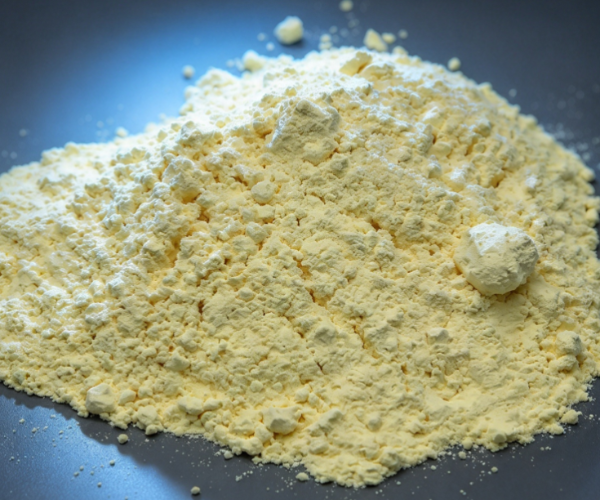
Vulcanization is an important part of this process. It changes the rubber compound from a soft and workable material into a more stable form. A Vulcanization Accelerator can be included in the curing system to help manage how this change takes place.
But one accelerator does not automatically suit every rubber formulation. The rubber type, product purpose, processing method, and other ingredients all matter. The same accelerator may behave differently when placed in another formulation.
This is why accelerator selection is not simply about adding a curing ingredient. It is about understanding how that ingredient fits into the complete rubber system.
What Does a Vulcanization Accelerator Do in a Rubber Formulation?
A vulcanization accelerator is used to support the curing process of rubber. During vulcanization, the rubber compound develops a more stable structure. The accelerator helps the curing system work in a controlled way.
Without looking at the formulation as a whole, it is easy to treat the accelerator as an isolated material. In practice, it is part of a larger combination. The rubber material, curing ingredients, processing conditions, and other additives all interact during production.
The role of an accelerator can therefore be understood through several basic functions:
| Formulation Need | Possible Role of a Vulcanization Accelerator |
|---|---|
| Curing control | Supports the development of the curing process |
| Processing balance | Helps fit curing behavior with production needs |
| Product consistency | Supports repeatable behavior within a formulation |
| Rubber formulation | Works as part of the selected curing system |
| Product development | Gives formulators another way to adjust curing behavior |
The purpose is not simply to make rubber cure. The formulation needs to cure in a way that fits the intended product.
A rubber part that needs flexibility may have different formulation requirements from a rubber component that needs greater structural stability. The accelerator therefore has to work within the particular material system rather than being selected separately from it.
This also explains why manufacturers may keep several types of vulcanization accelerators available. Different formulations can call for different curing approaches.
Can One Vulcanization Accelerator Work With Different Rubber Materials?
A vulcanization accelerator may be suitable for more than one rubber formulation, but compatibility depends on the complete system.
Rubber materials do not all behave in the same way during processing and curing. Their chemical characteristics can influence how the curing system develops. An accelerator that fits one material may not provide the same result in another.
Manufacturers therefore need to look beyond the product name of an accelerator. They need to consider the rubber material and the purpose of the formulation.
For example, a formulation designed for a flexible sealing product may have different requirements from one intended for a molded mechanical component. Both may use vulcanization, but their curing needs are not necessarily identical.
A useful way to look at this relationship is:
- Rubber material — The base rubber influences the formulation direction.
- Product application — The finished product determines what the cured rubber needs to do.
- Curing system — The accelerator works together with other curing ingredients.
- Processing method — The compound needs to remain suitable during manufacturing.
- Finished characteristics — The final material should match the intended use.
This means an accelerator can support different formulations when the surrounding formulation is developed appropriately. It does not mean that the same recipe should simply be copied from one rubber product to another.
Why Does the Rubber Type Matter When Selecting an Accelerator?
The type of rubber is one of the basic factors in accelerator selection. Different rubber materials can respond differently to curing ingredients.
This matters because the accelerator is not working alone. It becomes part of the chemical environment inside the rubber compound. The behavior of the complete formulation depends on how its ingredients work together.
Manufacturers may therefore begin with a clear understanding of the rubber material being used. They can then consider the desired curing behavior and the role that the accelerator needs to play.
The product application adds another layer to the decision.
A rubber seal may need to maintain its shape while remaining flexible. A hose may need a different balance between flexibility and stability. A molded rubber component may have another set of requirements related to its shape and use.
These differences affect formulation development.
| Rubber Product Area | Formulation Consideration |
|---|---|
| Sealing products | Balance between flexibility and stable shape |
| Hoses | Suitable curing behavior for flexible rubber construction |
| Belts | Cured structure suited to repeated use |
| Molded components | Formulation that supports stable product formation |
| Rubber pads | Material behavior suited to the intended contact and support role |
| General rubber goods | Curing system matched with the product purpose |
The accelerator should therefore be viewed as one part of a formulation decision rather than a universal solution.
How Can a Vulcanization Accelerator Fit Different Formulation Needs?
Different rubber formulations can require different curing behavior. Some may need a curing system that supports processing flexibility. Others may focus more heavily on the final structure of the cured rubber.
The accelerator can be selected according to these needs.
Formulators may consider how quickly the curing process should develop, how the compound behaves during processing, and how the finished rubber should perform in its application. These considerations help define the role of the accelerator.
The formulation may also contain several ingredients that influence one another. Changing one part of the system can affect the overall balance. As a result, accelerator selection should be made with the complete formulation in mind.
For practical development work, manufacturers can organize the decision around several questions:
- What rubber material is being used?
- What is the finished product designed to do?
- How should the rubber behave during processing?
- What type of curing behavior is required?
- How will the accelerator interact with the other formulation ingredients?
- Does the finished rubber meet the intended application needs?
This approach makes the selection process more logical.
It also leaves room for formulation adjustment. A manufacturer may work with different accelerator options when developing different rubber products. The goal is to find a formulation that fits the product rather than forcing every product into the same curing approach.
Could Different Vulcanization Accelerators Be Used for Different Products?
Yes. Different products can require different accelerator choices.
Rubber manufacturing covers a wide range of products. A formulation for a small molded component may have little in common with a formulation for a large flexible rubber article. Even when both products use a similar base material, the production and application requirements can differ.
Different accelerator types can provide different curing characteristics. This gives manufacturers more flexibility when developing rubber compounds.
The selection may relate to:
| Product Development Factor | Why It Matters |
|---|---|
| Rubber type | Influences compatibility with the curing system |
| Product function | Defines the required cured material behavior |
| Processing needs | Affects how the compound should behave before curing |
| Curing requirements | Guides the choice of accelerator system |
| Other ingredients | Can influence the way the accelerator performs |
| Production consistency | Supports stable manufacturing when the formulation is well matched |
This does not mean that every product needs a completely different accelerator. Some formulations can share similar approaches. The important point is that selection should follow the formulation requirements.
For manufacturers producing several types of rubber goods, this flexibility can be useful. It allows the curing system to be adjusted as product needs change.
A supplier's product range can also matter here. Access to different accelerator options may give formulation teams more room to develop suitable rubber compounds.
How Do Other Formulation Ingredients Affect Accelerator Selection?
A vulcanization accelerator does not operate independently. It is combined with other ingredients that form the complete rubber formulation.
This relationship can make accelerator selection more involved than simply choosing a material from a product list.
The curing system needs to work as a whole. If another ingredient changes, the accelerator may need to be reviewed as well. The same applies when the rubber material or production process changes.
For this reason, manufacturers often evaluate the formulation from several directions.
Rubber material:
The base rubber provides the foundation for the compound. Its characteristics influence how the curing system should be designed.
Curing ingredients:
The accelerator needs to fit with the other materials involved in curing. The balance between these ingredients can affect the development of the cured rubber.
Processing ingredients:
Other additives may be included to support mixing, shaping, handling, or product characteristics. Their presence can influence the overall formulation.
Product requirements:
The final application determines what the cured rubber needs to achieve. This should remain central throughout formulation development.
A change in one area can create a need to review another. This is why experienced formulation work tends to focus on relationships rather than individual ingredients.
What Should Manufacturers Consider When Choosing a Vulcanization Accelerator?
Manufacturers can approach accelerator selection through a practical checklist. The aim is to connect the material choice with the actual production and product requirements.
| Selection Area | Key Question |
|---|---|
| Rubber material | Is the accelerator suitable for the rubber being used? |
| Product application | Does the curing approach fit the finished product? |
| Formulation | Can the accelerator work with the other ingredients? |
| Processing | Does it fit the manufacturing process? |
| Curing behavior | Does it provide the desired curing development? |
| Product consistency | Can the formulation remain stable during production? |
| Supplier information | Is clear application information available? |
| Production changes | Can the accelerator fit future formulation adjustments? |
The intended application should remain at the center of the decision.
A manufacturer producing general rubber goods may have broader formulation needs than a producer working on a specialized component. The accelerator should therefore be evaluated according to the actual product and production environment.
Supplier communication can also make a difference. Buyers may need information about compatibility, formulation use, handling, and available product options. Clear technical communication helps formulation teams make decisions based on the complete application rather than a single product description.
Another useful consideration is formulation flexibility. A supplier that offers several suitable accelerator choices can give manufacturers more options when developing different rubber compounds.
Can Vulcanization Accelerators Support More Flexible Rubber Product Development?
Vulcanization accelerators can give manufacturers more flexibility because they provide another way to manage the curing system.
Rubber product development rarely follows exactly the same path for every application. A new product may require a different material balance. An existing product may need a formulation adjustment. A production process may also change over time.
In each situation, the curing system may need to be reviewed.
The accelerator can become part of this adjustment process. Manufacturers can compare different options and consider how each one fits the rubber material, other ingredients, processing requirements, and finished product.
This is particularly useful when a manufacturer handles several product categories. A flexible formulation strategy can make it easier to respond to different application requirements without treating every rubber product as the same.
The development process can also become more organized when manufacturers separate the major decision points:
Material → Application → Formulation → Processing → Curing → Finished Product
Each stage connects with the next. The accelerator belongs within this chain.
That perspective helps prevent a common mistake: choosing an accelerator based only on its general curing role. A material can have a useful curing function while still being unsuitable for a particular formulation.
The more complete question is whether the accelerator fits the rubber material, the curing system, the production process, and the final product at the same time.
For manufacturers and buyers, this broader view can make discussions with vulcanization accelerator suppliers more productive. Instead of asking only which accelerator is available, they can discuss the intended rubber material, product application, formulation direction, and production needs. This creates a clearer basis for selecting an accelerator that fits the formulation being developed.