English
 Português
 Español
 русский
 中文简体
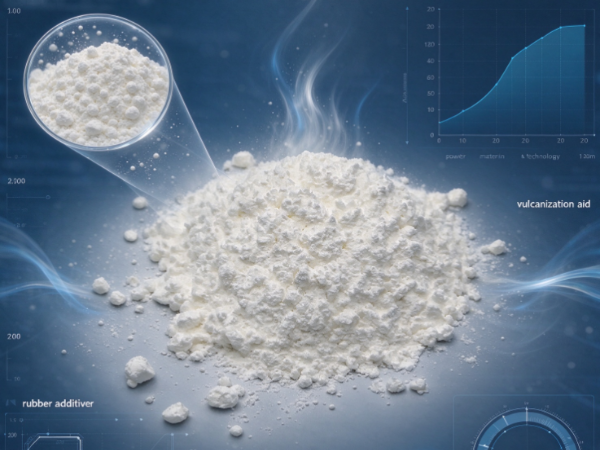
Rubber accelerators play an important role in rubber manufacturing. They control the vulcanization process and let rubber compounds develop the properties different products need. From tires and industrial hoses to seals, belts and molded components, the choice of accelerator shapes production flow, product consistency and the final performance of the rubber.
Selecting an accelerator isn't just a matter of picking a chemical that speeds up curing. Each rubber formulation has its own requirements. The rubber type, intended application, processing conditions, storage needs and production methods all affect which accelerator suits the job.
Manufacturers also have to consider how an accelerator interacts with the other ingredients in a compound. A product that works well in one formulation won't necessarily give the same results in another. Understanding these differences helps manufacturers decide with confidence and cut avoidable adjustments during production.
Why Does the Type of Rubber Matter When Selecting an Accelerator?
The rubber material is one of the main factors in accelerator selection. Different rubber types have different chemical structures and processing characteristics. These differences shape how they respond during vulcanization and how an accelerator performs within the compound.
Natural rubber, for example, goes into products that need flexibility, resilience and resistance to repeated deformation. Synthetic rubbers cover a wider range of applications, including products exposed to oils, heat, weather or industrial environments. Their curing behavior varies with composition.
An accelerator must be compatible with the rubber system it's used in. If the selection doesn't match the material, manufacturers run into uneven curing, shifts in processing behavior or trouble keeping product properties consistent.
The intended product matters too. Rubber in a flexible hose has different requirements from rubber in a rigid industrial component. Even when both share a similar base material, their formulations are built around different performance goals.
Manufacturers should therefore evaluate the rubber type and the full formulation together. Looking at the accelerator in isolation misses important interactions that affect the curing process.
When reviewing an accelerator option, ask whether it has been evaluated for the specific rubber material and application. Existing formulation experience, supplier documentation and controlled production trials help establish whether the material is suitable.
How Does the Required Vulcanization Behavior Affect Accelerator Selection?
Vulcanization turns rubber from a fairly soft compound into a material with a more stable structure. The process affects elasticity, shape retention and resistance to repeated use. Rubber accelerators regulate how this transformation unfolds.
Different manufacturing processes need different curing behavior. A molded rubber part has to fill the mold before curing goes too far. A continuous production line needs stable processing behavior throughout the run. A thick rubber component calls for careful attention to curing uniformity.
These requirements drive accelerator selection because different accelerator types behave differently during processing and curing.
Some formulations need a controlled curing response that leaves enough time for mixing, shaping and mold filling. Others are designed around a shorter production cycle. The right choice depends on the equipment, product structure, compound composition and desired manufacturing flow.
The relationship between processing time and curing behavior deserves particular attention. If curing starts too early, the compound becomes hard to process. If it develops too slowly, production drags on or the material fails to reach the intended state under the selected conditions.
Manufacturers also weigh processing safety against curing efficiency. A suitable accelerator supports the intended production process without causing needless difficulty during mixing, storage, shaping or molding.
Don't focus on curing speed alone. Look at the entire production sequence. That shows whether an accelerator fits the factory's actual needs and not just one stage of manufacturing.
Which Product Properties Should Guide the Choice of Rubber Accelerator?
The final properties a rubber product needs are closely tied to accelerator selection. Rubber components bend repeatedly, hold their shape under pressure, resist wear or stay functional in demanding environments. These requirements shape how the compound is formulated and cured.
Tires and flexible belts, for example, go through repeated deformation in use. Seals and gaskets must keep contact with surrounding surfaces. Industrial hoses have to withstand movement, pressure and contact with different substances. Each application puts different demands on the rubber.
Accelerators don't determine every product property alone. Their role sits inside a larger formulation system that includes the base rubber, curing agent, fillers, processing aids and other ingredients. Still, the accelerator influences how the cured structure develops, and that in turn affects the finished material.
Manufacturers should identify the properties that matter most for the application before comparing accelerator options. Relevant considerations include:
- Elasticity and flexibility: Whether the product needs to return to its original shape after deformation.
- Mechanical stability: Whether the material must keep its form under repeated loading.
- Heat resistance: Whether the rubber will meet elevated temperatures in use.
- Wear resistance: Whether the product will face friction or repeated contact with other surfaces.
- Dimensional consistency: Whether molded parts need to hold their intended shape.
- Environmental resistance: Whether the material will encounter moisture, oils, weather or other external conditions.
Evaluate these properties across the complete compound. Attributing them to the accelerator alone gets the picture wrong.
A formulation designed for a flexible consumer product won't necessarily suit an industrial component in demanding conditions. The selection process should reflect the real environment the finished rubber product will work in.
How Do Processing Methods Influence Accelerator Selection?
Rubber products are made through different processes, including extrusion, molding, calendering and other shaping operations. Each method puts different demands on the compound before and during vulcanization.
In extrusion, the rubber compound is pushed through a shaped opening to form a continuous profile. The material has to keep suitable processing behavior as it passes through the equipment. If the curing response is poorly matched to production conditions, shaping becomes less consistent.
Molding places rubber in a mold and lets it take the required shape. The compound must flow into the mold before curing restricts movement. The accelerator system therefore has to support the balance between mold filling and curing development.
Calendering uses rollers to form rubber into sheets or apply it to other materials. Stable processing behavior helps manufacturers keep a consistent surface and product structure. The compound must stay suitable for the production sequence, including any later curing operations.
These differences mean an accelerator that suits one manufacturing method may not fit another. Equipment design, mixing conditions, compound temperature and the time between processing stages all influence the decision.
Production scale counts as well. A formulation used in laboratory trials behaves differently when transferred to a larger mixing or manufacturing operation. Changes in heat distribution, mixing efficiency and material handling affect processing behavior.
Manufacturers should assess an accelerator under conditions that reflect the intended production process. Small-scale testing screens potential options, while production trials reveal issues that initial evaluation misses.
The aim is an accelerator system that fits the complete manufacturing process. One that only produces an acceptable result under limited test conditions falls short.
Why Are Compatibility and Ingredient Interactions Important?
Rubber compounds contain multiple ingredients that work together. The accelerator is just one part of the system. Its interaction with the rubber, curing agent, fillers, stabilizers and other additives influences both processing and final product characteristics.
An accelerator that looks suitable on its own behaves differently once combined with the rest of a formulation. Ingredient interactions affect dispersion, curing behavior, storage stability and the consistency of the finished material.
Compatibility matters most when manufacturers modify an existing formulation. Swapping one accelerator for another looks like a simple purchasing decision, but the change shifts the balance of the entire compound.
A new accelerator, for example, has different dispersion characteristics. If it isn't distributed evenly during mixing, some areas of the compound cure differently from others. That leads to variations in product quality or difficulty in later processing.
The curing agent needs consideration too. Rubber accelerators often work as part of a broader curing system, and the relationship between these ingredients shapes how the compound develops during vulcanization. Changing one component may require adjustments elsewhere in the formulation.
Manufacturers should review how a proposed accelerator fits with the ingredients already in use. Relevant checks include:
- Whether the accelerator disperses consistently in the compound.
- Whether it interacts properly with the existing curing system.
- Whether the formulation stays stable during normal storage and handling.
- Whether the compound keeps suitable processing behavior after the change.
- Whether the finished product still meets its application requirements.
Test the complete formulation. A material that performs well in a simplified laboratory mixture won't necessarily behave the same way in a production compound with additional ingredients.
Close cooperation between formulation teams, production staff and suppliers helps surface these interactions before a change reaches the whole manufacturing line.
How Do Storage, Handling, and Workplace Requirements Affect the Decision?
Accelerator selection goes beyond formulation performance. Storage conditions, handling procedures and workplace requirements matter too. They influence how materials are received, stored, measured, mixed and moved through a factory.
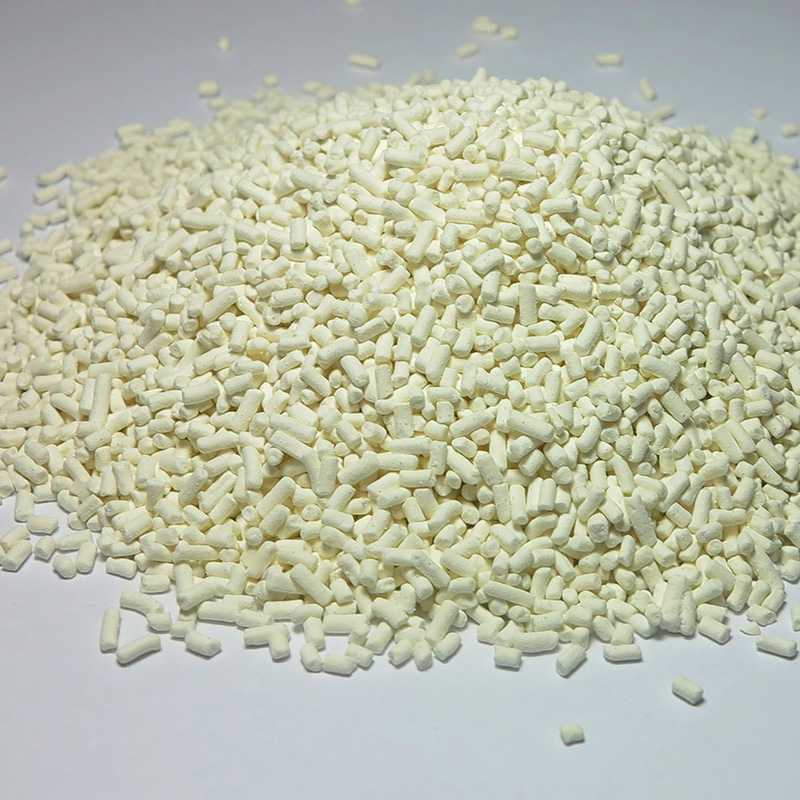
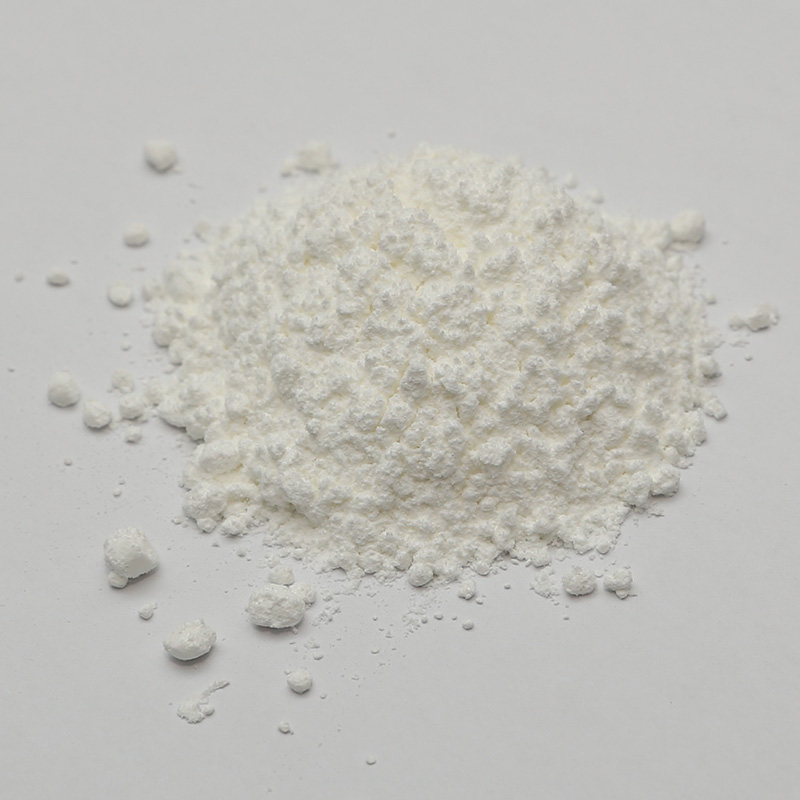
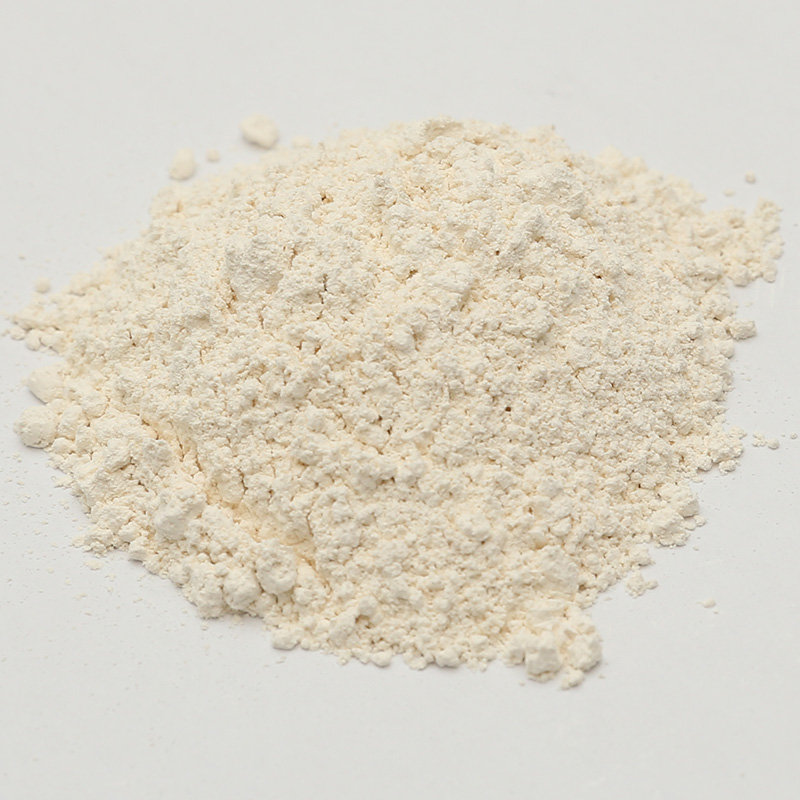
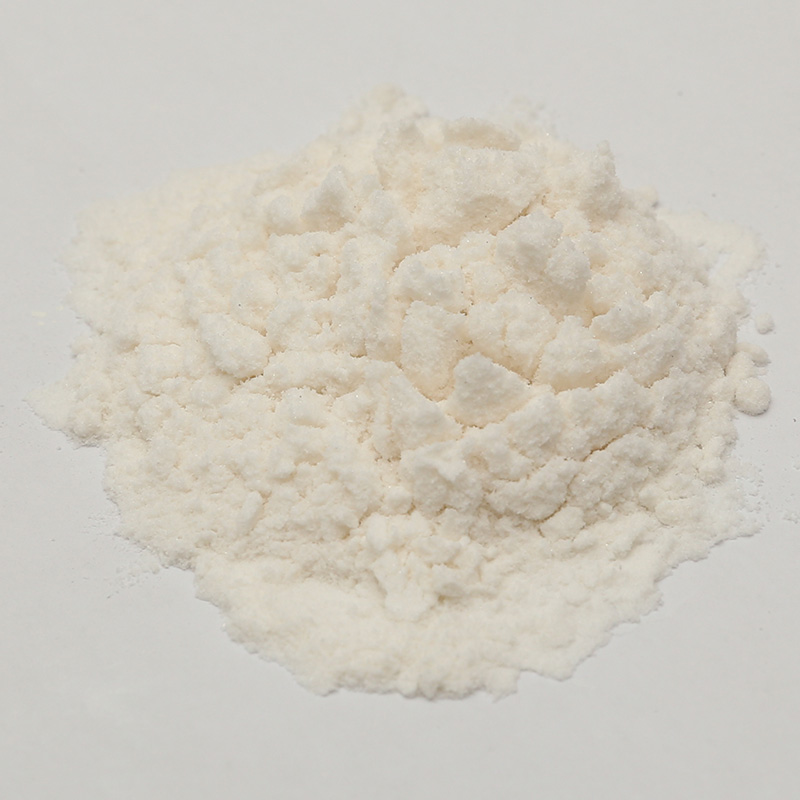
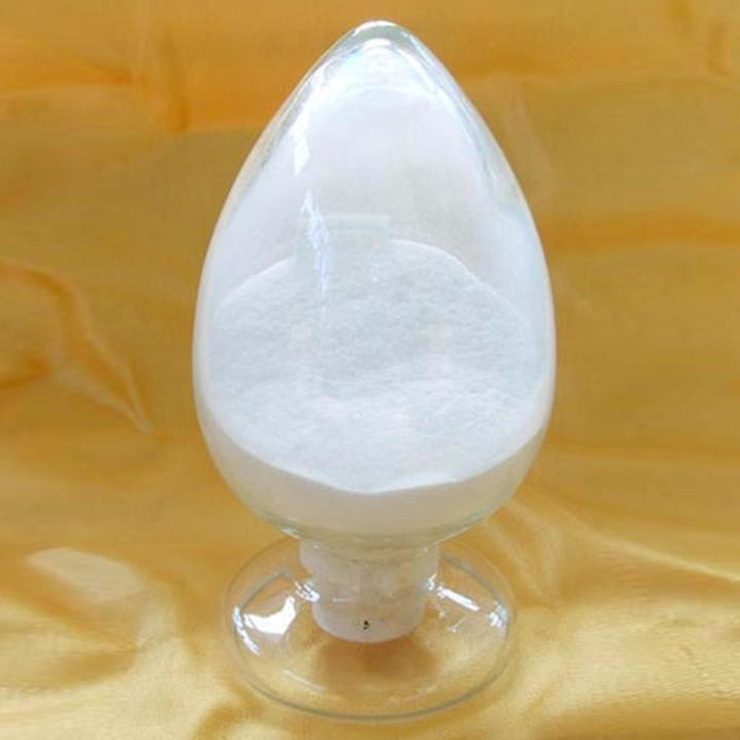
Rubber accelerators come in different physical forms, such as powders, granules or prepared dispersions. The form affects how a material is handled and introduced into the compound.
Powdered materials need measures to control dust during weighing and mixing. Granular products have different flow and feeding characteristics. Prepared dispersions offer another way to introduce ingredients, depending on the formulation and production equipment.
The right form depends on the manufacturing process, available equipment and facility procedures. Manufacturers should check whether workers and equipment can handle the material consistently.
Storage conditions deserve attention as well. Unsuitable temperature, moisture, contamination or packaging damage affect a material's condition. Follow the supplier's storage instructions and review the relevant safety documentation before putting an accelerator into routine use.
Evaluate workplace safety alongside technical suitability. The material's safety data sheet covers hazards, protective measures, storage, handling and emergency procedures. Facilities should make sure employees understand the precautions for the specific product.
Packaging and material identification influence daily operations too. Clear labeling and appropriate packaging support inventory management, material traceability and correct ingredient handling.
When comparing accelerator options, look at the full handling process. A material that fits the formulation but creates trouble with storage, feeding or workplace procedures needs extra operational planning.
What Should Manufacturers Consider When Comparing Accelerator Types?
Rubber accelerators come in different chemical families, each with its own general characteristics. Their behavior varies in curing response, processing suitability and compatibility with different rubber formulations.
Base the selection on the compound's requirements, not on the accelerator category alone. Two materials in a similar category still behave differently depending on their composition, physical form and interaction with other ingredients.
Manufacturers often start by defining the accelerator's purpose within the curing system. They then compare candidate materials against production requirements and finished product properties.
The table below outlines some practical comparison points.
| Selection Factor | Questions to Consider | Why It Matters |
|---|---|---|
| Rubber compatibility | Is the accelerator suitable for the rubber type in use? | Helps establish whether the material fits the formulation. |
| Curing behavior | Does the curing response match the production process? | Supports suitable processing and curing conditions. |
| Product requirements | Does the compound need flexibility, wear resistance, or dimensional stability? | Connects material selection with the finished product's intended use. |
| Processing method | Will the compound be extruded, molded, or calendered? | Helps identify process-related requirements. |
| Ingredient compatibility | Does the accelerator work with the existing curing system and additives? | Reduces the risk of unexpected formulation changes. |
| Physical form | Can the material be measured, fed, and dispersed consistently? | Supports stable production operations. |
| Storage and safety | Can the material be stored and handled according to its requirements? | Helps maintain material condition and workplace safety. |
| Supply consistency | Can the supplier provide consistent documentation and material identification? | Supports incoming inspection and production planning. |
This comparison narrows the options, but it doesn't replace formulation testing. The same accelerator produces different results in different compounds, and the selection process should reflect that.
Manufacturers should also ask whether a change affects downstream processes. A modified curing system influences demolding, post-processing, assembly or the way a finished component performs in its intended environment.
A structured review makes sure the decision accounts for more than the initial material specification.
What Should Buyers Ask Rubber Accelerator Suppliers Before Making a Decision?
Suppliers provide information that helps manufacturers judge whether an accelerator suits a particular application. Buyers still need to explain their requirements clearly. General product descriptions rarely say enough to show whether a material fits a specific rubber formulation.
A useful discussion starts with the intended rubber type, product application, manufacturing method and main performance requirements. These details let the supplier identify relevant product options and explain their typical uses.
Buyers should also ask about available technical documentation. Product specifications, safety data sheets, storage guidance and handling recommendations help manufacturers assess material suitability and set up appropriate internal procedures.
Consistency between deliveries is another key point. Variations in material condition or product identification complicate formulation control and incoming inspection. Buyers should understand how the supplier identifies products, communicates changes and supports material traceability.
When evaluating a supplier, manufacturers can ask:
- Which rubber types and applications is the accelerator intended for?
- What curing and processing characteristics need consideration?
- Is the material suitable for the existing formulation, or is testing needed?
- What storage and handling conditions apply?
- Which technical and safety documents are available?
- How are product batches identified and tracked?
- What procedures communicate changes in product specifications?
- Can the supplier provide technical support during formulation evaluation or production trials?
Cost and availability affect purchasing decisions, but weigh them alongside technical suitability. A lower purchase price doesn't reflect the full cost of use if the material needs extra testing, causes processing difficulties or forces frequent formulation adjustments.
Buyers should also avoid assuming one accelerator substitutes directly for another product with a similar description. Even when two materials serve a related purpose, differences in formulation behavior call for testing and approval before a change goes ahead.
A clear evaluation process helps purchasing teams, formulation specialists and production staff work toward the same requirements. It also gives suppliers a better grasp of the application and the information needed to support a practical material choice.