English
 Português
 Español
 русский
 中文简体
Vulcanization turns soft, easily deformed rubber into a material that holds its shape and survives repeated use. Tires, hoses, seals, belts and plenty of other products depend on it. But the rubber itself is only half the story. What goes into the compound shapes how it behaves before, during and after the cure.
Rubber Accelerator MBT is one of those ingredients. In sulfur-based compounds, it helps the rubber reach the properties it needs under reasonable processing conditions. Cure speed is only part of its effect. Processing stability, how the ingredients interact, and what the finished product has to do all come into play.
That's why accelerator choice gets real attention during formulation. If a compound cures too slowly, production waits. If it starts curing too early, it becomes hard to work with. The goal is a workable balance between control of the process and the performance the final product needs.
What Is Rubber Accelerator MBT , and Why Is It Used?
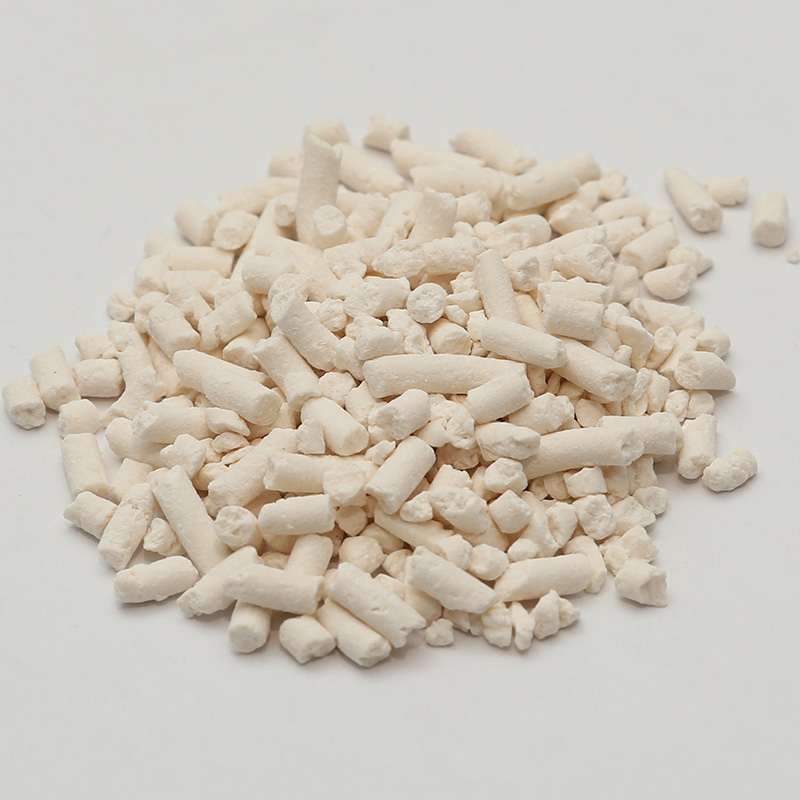
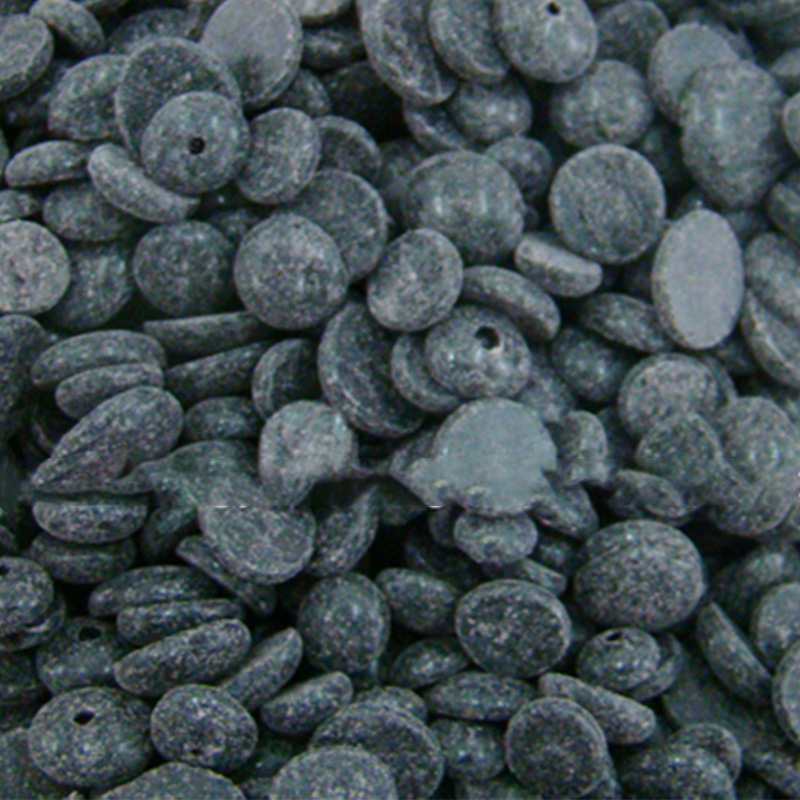
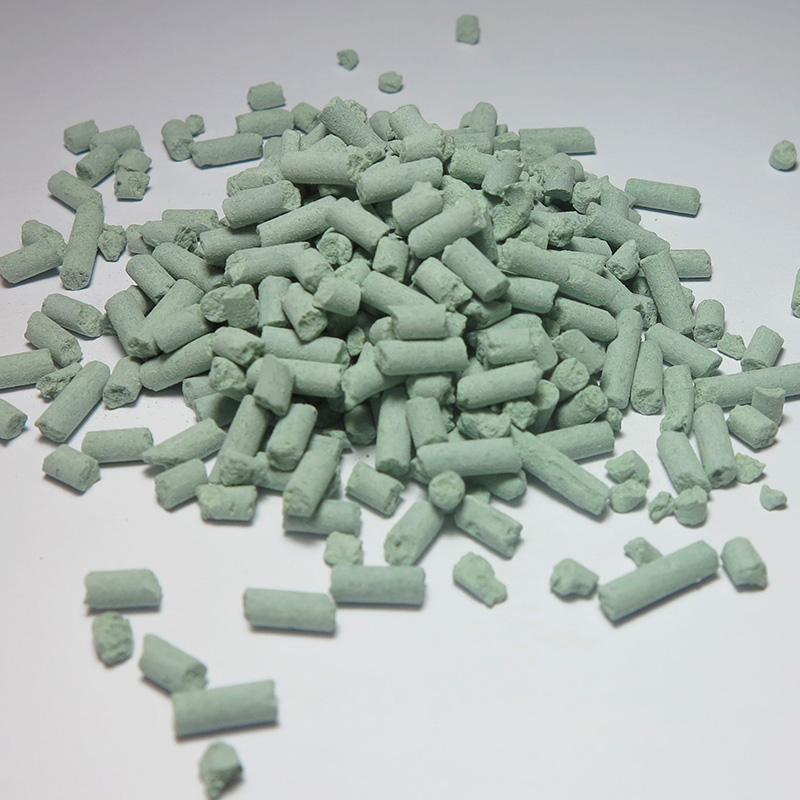
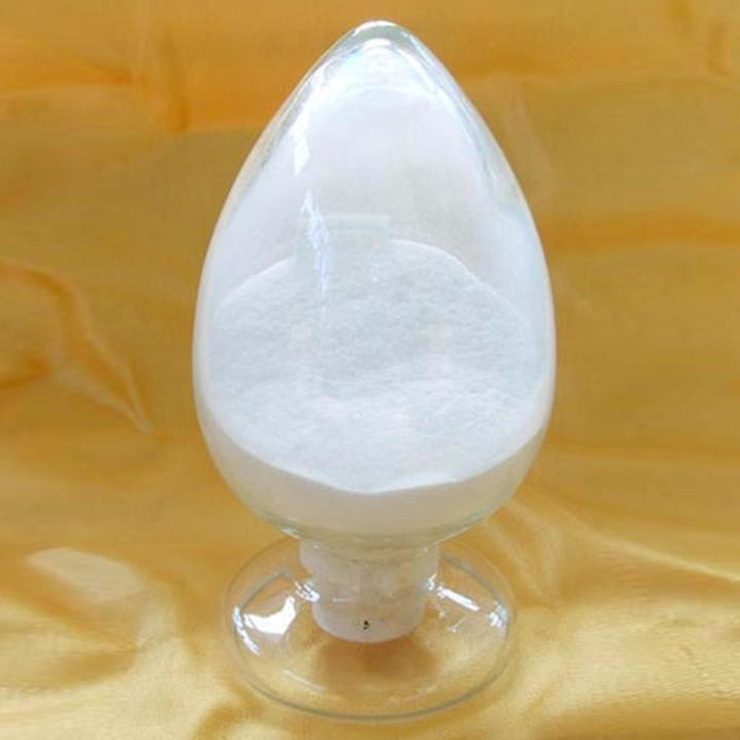
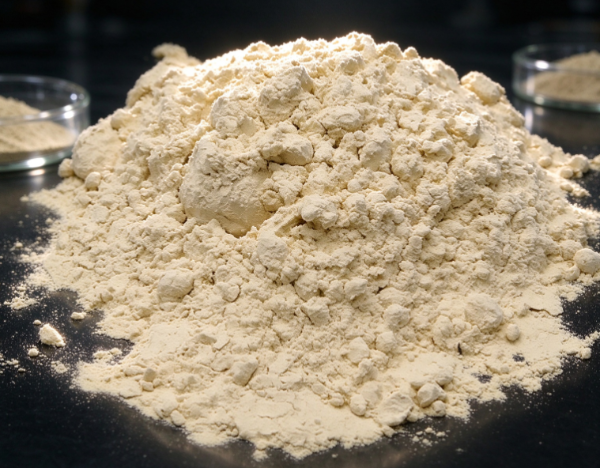
Rubber Accelerator MBT is a chemical additive widely used in sulfur vulcanization. MBT stands for 2-mercaptobenzothiazole. Its job is to speed up the reactions that form links between rubber molecules.
Before vulcanization, many rubber compounds are soft. They often lack the strength or shape retention the end use calls for. Sulfur vulcanization builds chemical links between the rubber molecules, and those links change how the material reacts to heat, deformation and repeated loading.
An accelerator keeps this reaction moving at a useful pace. Pick the wrong one and the compound can cure slowly, or end up with an uneven set of properties under the chosen conditions.
MBT has a long record in rubber manufacturing and works with several types of sulfur-curable rubber. Whether it fits depends on the formulation, the processing requirements and the properties expected from the finished product. It isn't a universal additive, and it won't give the same result in every compound.
The rest of the formulation matters as well. Sulfur, activators, fillers and other additives all influence curing behavior, so MBT has to be judged inside the full compound, not on its own.
This comes up often when a factory switches raw materials or tweaks an existing recipe. An accelerator that performs well in one compound may need a different approach once the surrounding ingredients or production conditions shift.
How Does MBT Influence the Vulcanization Process?
MBT's main role is to speed up sulfur vulcanization. It takes part in the reactions that build links between rubber molecules, so the compound can develop its cured structure under the right conditions.
For a manufacturer, this ties directly to production control. During mixing, shaping and other preparation steps, the compound has to stay workable. Then, in the intended cure, it has to cure well enough.
MBT affects the handover between those two stages. How much depends on the rubber type, the overall formulation and the processing conditions. The accelerator alone doesn't decide the final curing behavior.
Two everyday production concerns make this clearer.
Curing speed: The accelerator influences how readily the compound moves through vulcanization. A suitable curing profile helps production run within its planned workflow.
Processing stability: Before curing begins, the compound must stay workable. If it starts to cure early, shaping and handling get harder.
These two needs sometimes work against each other. A faster cure isn't a win if the compound turns unstable in the earlier stages of production.
So manufacturers have to look at the whole processing sequence. The real question isn't whether MBT makes curing faster. It's whether the effect suits the production method and what the finished part has to deliver.
Why Does Accelerator Selection Matter Before Rubber Products Are Formed?
A problem that shows up at vulcanization often starts much earlier. Mixing conditions, how well the ingredients are distributed, storage, and the wait between preparing the compound and shaping it all affect how it behaves.
Accelerator selection sits within that bigger picture.
Say a compound begins to cure before it has been shaped. It gets harder to process and loses some of the flow it needs to fill a mold or take the intended form. On the shop floor, that can mean rejected parts, extra handling, or a stoppage while someone hunts for the cause.
The opposite end has its own trouble. With an unsuitable curing profile, consistent results are hard to get. A compound that needs longer than expected throws off production planning, and insufficient or uneven curing can change the properties of the finished product.
MBT can help shape curing behavior, but it can't cover for every weakness in the system. Poor mixing, inconsistent raw materials, badly set equipment and shifting process conditions can still cause trouble.
One observation from industry: when a cure problem appears, factories often look at the accelerator first, even though several parts of the process may be involved. Changing a single ingredient without checking the wider formulation tends to make troubleshooting harder.
A better habit is to follow the compound from mixing through to final cure. That makes it easier to tell an accelerator issue apart from a problem caused by another ingredient or an operating condition.
Can MBT Affect the Properties of Finished Rubber Products?
Vulcanization is directly tied to how finished rubber behaves. The structure formed during cure determines how the material responds to stretching, compression, heat and repeated use. Because MBT influences the cure, it indirectly influences the properties the compound ends up with.
Still, it isn't as simple as adding an accelerator and getting stronger or longer-lasting rubber.
The result rests on the full formulation and the curing conditions. Rubber type, sulfur system, fillers and other ingredients all contribute. So does the degree of cure.
Take seals. They have to keep contact with the surfaces around them and resist deformation in service. Hoses and belts face other demands, such as repeated flexing and mechanical stress. A compound built for one job may not suit another, even if both contain MBT.
An unsuitable cure can upset the balance of properties a product needs. Under-curing may leave the material short of its requirements. Excessive or poorly controlled curing can also cause unwanted changes, depending on the formulation.
That's why manufacturers should test the cured rubber, not judge the accelerator by its role in the reaction. Useful checks include hardness, elasticity, resistance to repeated deformation and any other properties the application specifies.
The key point: MBT contributes to a formulation's curing behavior. It doesn't, by itself, set the performance of the finished product.
How Does MBT Work With Other Rubber Ingredients?
A rubber compound seldom relies on one additive to control its behavior. Accelerators work inside a formulation that may hold sulfur, activators, fillers, processing aids and more. Each ingredient has its purpose, but their effects overlap.
When manufacturers develop or adjust a sulfur-curing system, MBT is often considered next to other accelerators. Different accelerators affect curing in different ways, and the choice depends on the processing window needed and the properties wanted in the finished rubber.
Combining accelerators isn't just a matter of adding more. Their interaction can change the whole curing profile, so a combination that works in one formulation may not repeat that result in another.
The surrounding ingredients count too. Fillers affect a compound's physical structure and processing behavior. Activators support the curing system, and processing aids can influence mixing and handling. Change any of them and the compound may respond to the accelerator differently.
So formulation changes are better judged as a whole. If the rubber type, the filler system or another major ingredient changes, the existing accelerator setup may need another look.
A practical way to do this is to compare the compound's behavior under controlled conditions. Check processing stability, curing behavior and the properties of the resulting rubber before deciding whether a change makes sense.
MBT can be a useful part of that system. How much it contributes depends on how well the ingredients work together.
What Challenges Should Manufacturers Watch for When Using MBT?
Even a familiar accelerator causes trouble when the formulation or production conditions are loosely controlled. Some problems show up during mixing and shaping. Others only appear after the rubber is cured or in service.
Premature curing is one. When a compound starts to cure too soon, it loses workability before shaping is done. Mold filling, surface appearance and consistency can all suffer. Accelerator selection, material handling and processing conditions deserve a close look here.
Uneven curing is another. If ingredient distribution or processing conditions vary, different parts of the compound can behave differently. Inconsistent results should send you back to mixing and curing practice, not straight to raising or cutting the accelerator level.
Batch-to-batch change deserves watching too. When the same formulation starts behaving differently, the cause could be raw material variation, storage conditions, mixing differences or a shift in the production environment.
The table below lists some common issues and where to look first.
| Production Concern | Possible Area to Investigate |
|---|---|
| Compound becomes difficult to shape | Premature curing, processing conditions, and formulation balance |
| Curing behavior changes between batches | Raw material consistency, mixing, and storage |
| Finished products show inconsistent properties | Curing conditions, ingredient distribution, and compound composition |
| Production takes longer than expected | The curing profile and suitability of the overall formulation |
| A formulation change produces unexpected results | Interactions between the accelerator and other ingredients |
None of this proves MBT is the culprit. These are starting points for investigating the process.
Safe handling matters as well. Follow the safety documentation, workplace procedures and applicable regulations for chemical additives. Workers should limit exposure to dust and material during handling and use the required protective measures.
With a well-controlled process, it's easier to find the cause of a problem and decide whether the fix lies with MBT, another ingredient or the operating conditions.
What Should Buyers Consider When Selecting Rubber Accelerator MBT?
For purchasing teams, choosing Rubber Accelerator MBT takes more than comparing product descriptions or prices. The material has to suit the intended formulation, and the supplier needs to give the buyer enough information to check that.
Consistency comes first for many buyers. When incoming material varies, formulation control slips and production behavior gets harder to predict. Find out what specifications and quality documents are available, and how the supplied material is identified.
Application needs should drive the conversation with a supplier. A maker of molded rubber components may have different processing needs from one producing hoses, seals or other flexible goods. Tell the supplier the rubber type, the production process and any requirements for the finished material.
A few points deserve attention when evaluating suppliers:
Product identification: Confirm that the material matches the intended MBT product and the formulation's requirements.
Quality documentation: Review the available specifications, safety information and supporting product documents.
Supply consistency: Ask how product identity and quality are kept steady across deliveries.
Handling guidance: Check the recommended storage, handling and workplace safety practices.
Technical communication: See whether the supplier can explain product characteristics and appropriate use clearly.
Storage doesn't end at delivery. Keep the material under the conditions stated in its documentation, with packaging protected from damage and contamination. Good inventory habits also help purchasing and production teams track incoming material and spot changes between batches.
Cost is still part of the decision, but the low purchase price doesn't always mean the low total production cost. Inconsistent material or the wrong product choice creates extra work in formulation, processing and quality checks.
It pays for buyers and production teams to talk these issues through before making a change. Once the material, the formulation and the processing requirements are weighed together, it's much easier to judge whether Rubber Accelerator MBT fits the intended application.