English
 Português
 Español
 русский
 中文简体
Bonding sits at the heart of modern manufacturing. Packaging, automotive parts, furniture, footwear and household goods all need dependable ways to join different materials. Materials don't all react to adhesives alike, though. Some are smooth, others are flexible or porous, and a few are simply hard to bond. That's why adhesive selection matters so much in product development.
Synthetic rubber adhesive has become a practical choice for many bonding jobs. Its flexibility lets it absorb movement between joined surfaces. Depending on the formulation and application conditions, it can also stick to a range of material types. That helps in factories where products combine several materials and need both bonding strength and flexibility.
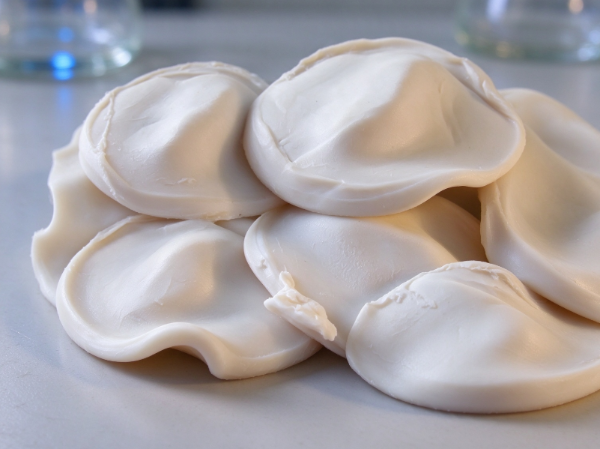
Rigid bonding solutions stay stiff. Rubber adhesive keeps a degree of flexibility after application, which pays off in products that bend, vibrate, bear pressure or move repeatedly in use. It also gives manufacturers more room when designing products from mixed materials.
Production methods now involve a wider range of materials, so it's increasingly worth understanding how this adhesive works, where it fits and what affects its performance.
What Is Synthetic Rubber Adhesive and How Does It Work?
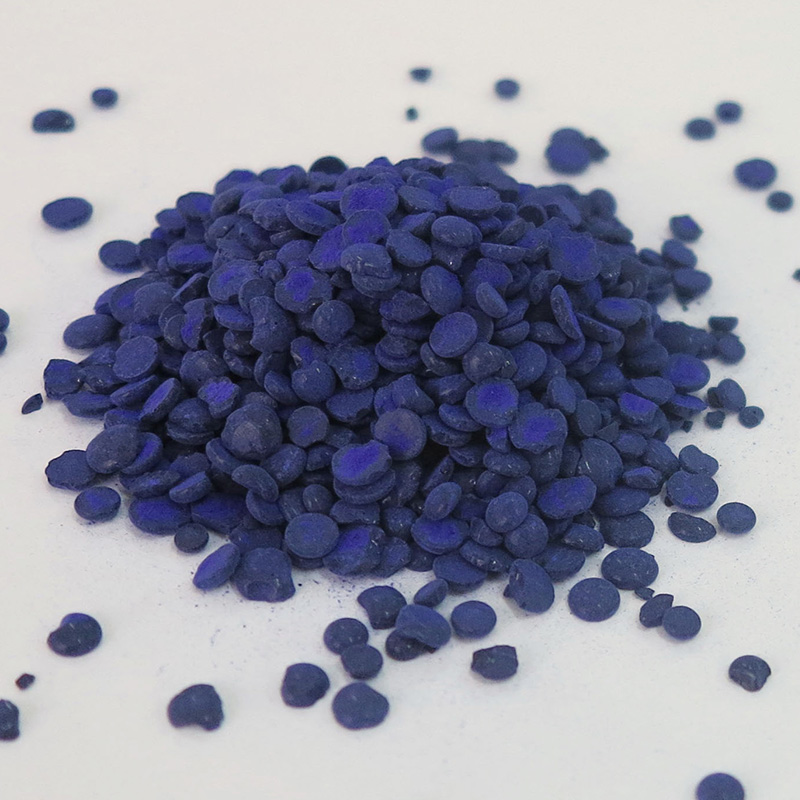
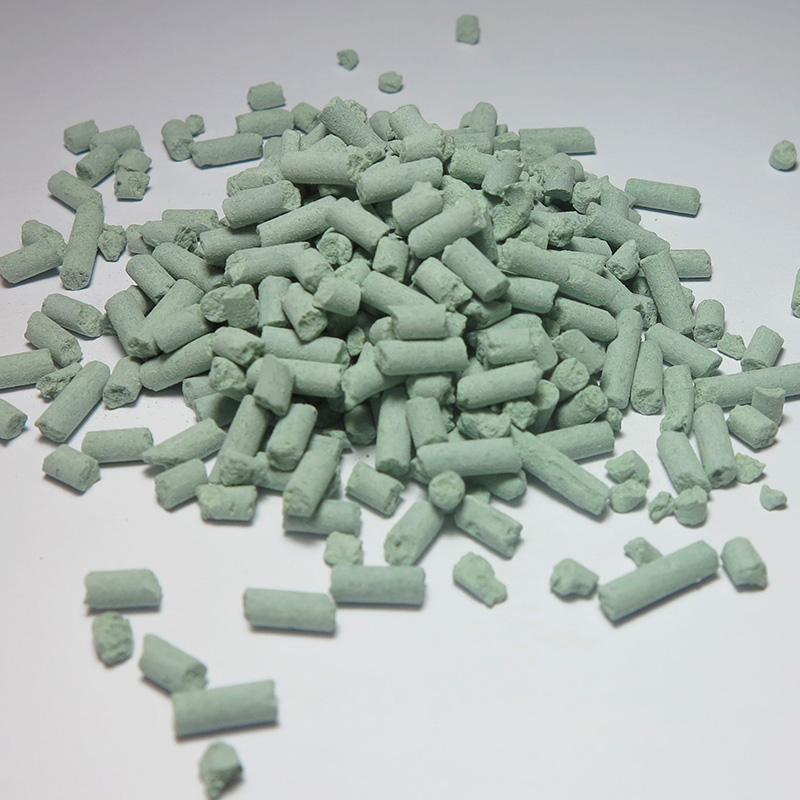
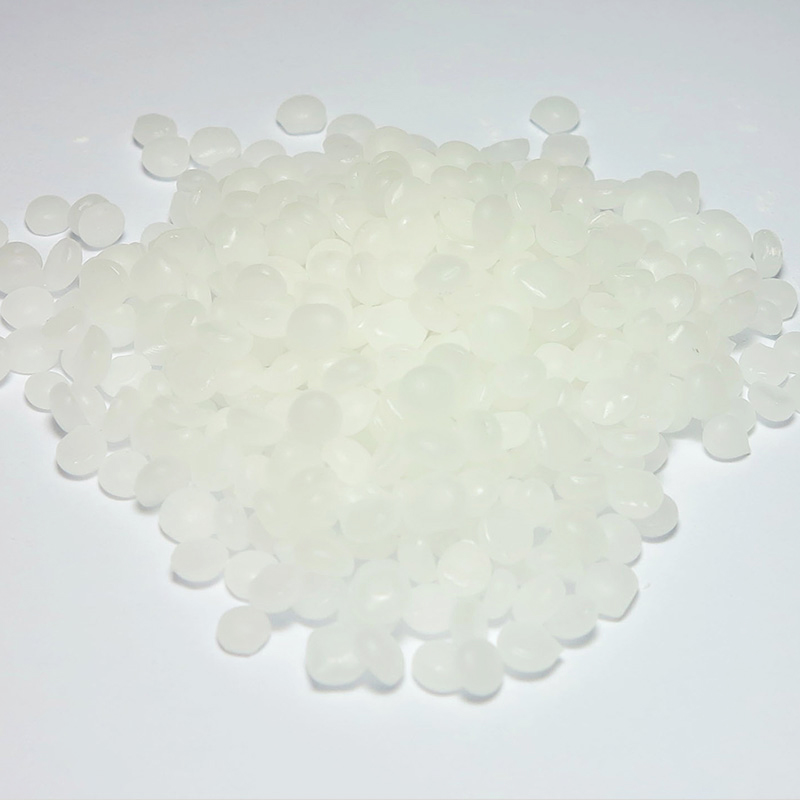
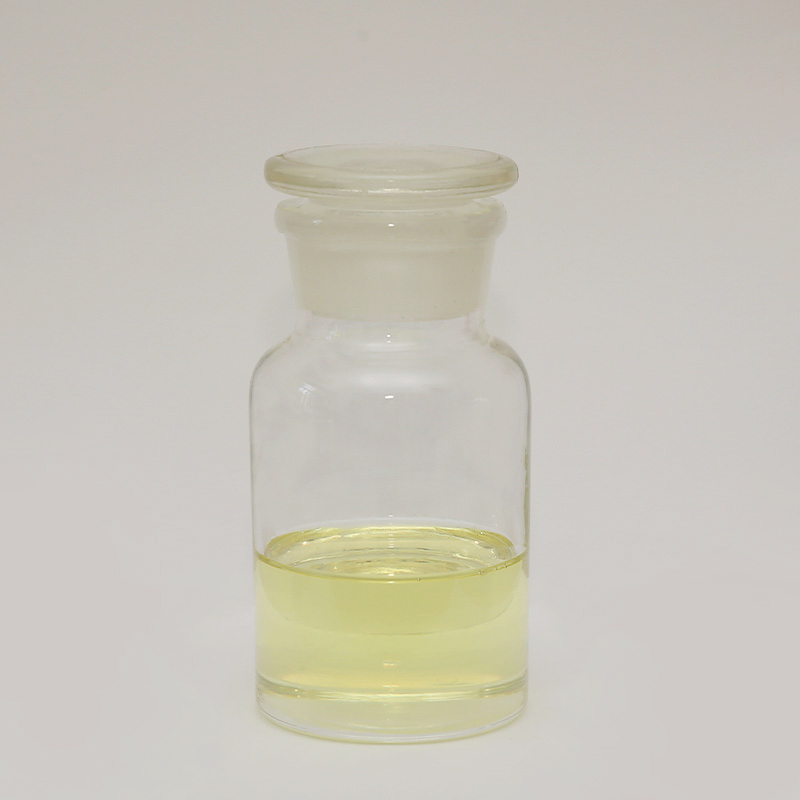
Rubber adhesive is a bonding material built around synthetic rubber as a key ingredient. It joins surfaces while staying somewhat flexible. Depending on the formulation, it may come as a solvent-based, water-based or hot-melt product.
Its main job is to create adhesion between two surfaces without making the joint overly stiff. That's useful when the connected materials must move or flex in normal use.
Bonding happens in stages. Once applied, the adhesive spreads over the prepared surface and makes contact with the material. As it develops its bonding properties, it forms a layer that links the two surfaces.
The details depend on the adhesive type. Some products build adhesion as the carrier evaporates, while others rely on cooling or other setting processes. Either way, good surface contact and suitable application conditions are important.
Rubber adhesive is valued for several general characteristics:
- Flexibility: The bonded area can tolerate certain movements without turning overly rigid.
- Initial adhesion: Some formulations make contact quickly, which helps in assembly operations.
- Material compatibility: Suitable formulations can bond different materials within the same product.
- Process adaptability: Different adhesive forms fit various manufacturing and assembly methods.
- Surface contact: The adhesive can spread over suitable surfaces to form a continuous bonding layer.
These traits differ between formulations. A product made for packaging may behave differently from one meant for footwear or industrial assembly. Manufacturers should choose according to the actual materials and working conditions.
Why Is Flexible Bonding Important When Connecting Different Materials?
Few products are made of just one material. Many combine plastic, rubber, metal, fabric, foam, paper or others, and each behaves differently under pressure, temperature change and movement.
Picture a plastic component that stays fairly stable next to a rubber section that bends in use. If the adhesive between them is too rigid, repeated movement stresses the joint. Over time that can lead to cracking or separation.
Flexible bonding tackles this problem. Rather than a fully rigid connection, a suitable rubber adhesive allows some movement between the joined surfaces.
It matters most for products exposed to vibration or frequent handling. Automotive interiors, flexible packaging, footwear and household components can all have bonded sections that move regularly.
Flexible bonding also helps design. Manufacturers can combine materials with different functions without leaning entirely on mechanical fasteners. That can simplify some assembly steps and open up more freedom in product structure.
Several factors explain why flexibility counts:
Accommodating material movement
Different materials expand, contract and bend in their own ways. A flexible adhesive layer can absorb some of those differences during normal use.
Supporting product comfort
In footwear, cushions and fabric goods, a stiff bond line can change how the finished item feels. Flexible adhesion helps keep the intended movement and feel.
Managing vibration
Equipment and vehicle parts may vibrate continuously. A suitable flexible adhesive helps keep surfaces in contact while allowing for movement.
Supporting lightweight construction
Adhesive bonding can reduce the need for some mechanical joining methods. That may help manufacturers build products with fewer visible fasteners or more integrated structures.
Actual benefits depend on the materials, the formulation and the product design. Flexibility alone doesn't guarantee a good bond. The adhesive must also deliver adequate adhesion under the expected conditions.
Which Materials Can Synthetic Rubber Adhesive Bond?
Part of the reason rubber adhesive is used across industries is its potential compatibility with many materials. Not every formulation works with every surface, however. Material composition, surface texture and treatment requirements all affect the result.
Plastic materials
Plastics are everywhere in consumer goods, packaging, automotive products and industrial assemblies. Some synthetic rubber adhesive formulations can bond selected plastics. Plastics differ in surface characteristics, though. Certain low-surface-energy materials may need special preparation or an adhesive developed specifically for them.
Rubber materials
Rubber adhesive is also used with rubber components. It can join rubber to other suitable surfaces while keeping flexibility. That matters in footwear, automotive parts, seals and many industrial products.
Metal surfaces
Metal appears in machinery, appliances, vehicle parts and product structures. Suitable formulations can bond selected metals to rubber, plastic or other materials. Cleaning and surface preparation are important, since oil, oxidation and dirt can interfere with adhesion.
Textiles and fabrics
Fabric bonding is common in clothing, footwear, furniture and protective products. Rubber adhesive may attach fabric layers to foam, rubber, plastic or other backing materials. It shouldn't harm the fabric's intended flexibility or appearance.
Paper and packaging materials
Some rubber adhesives serve packaging applications. They can join paper-based materials, films and other suitable substrates. Their bonding behavior may suit processes that need quick handling and flexible packaging structures.
The table below outlines some potential applications.
| Material Combination | Possible Application | Main Bonding Consideration |
|---|---|---|
| Plastic and rubber | Automotive and household components | Surface compatibility |
| Metal and rubber | Industrial parts and equipment | Cleaning and surface preparation |
| Fabric and foam | Footwear and furniture | Flexibility and comfort |
| Paper and film | Packaging products | Adhesion and production requirements |
| Rubber and fabric | Protective and wearable products | Movement and repeated use |
| Plastic and fabric | Consumer goods and product assembly | Material compatibility and appearance |
Before production, manufacturers should test the chosen adhesive on the actual materials. Surfaces that look alike may respond differently to the same formulation.
How Does Synthetic Rubber Adhesive Support Different Industrial Applications?
Rubber adhesive turns up across several manufacturing sectors. Its flexible bonding suits products that combine different materials or move regularly.
In footwear, manufacturers join rubber soles, fabric uppers, foam layers and other parts. These must stay connected as the shoe bends during walking, running and daily wear. A suitable Rubber adhesive can meet those bonding needs.
Packaging is another major area. Flexible packaging often has multiple layers with different functions, and adhesives hold those layers together and keep the finished package intact. The formulation has to match the packaging materials and the production process.
In automotive manufacturing, adhesives go into interior components, trim, insulation and other assemblies. These products may mix plastic, fabric, foam and metal. Flexible bonding can help absorb vibration and movement while the vehicle runs.
Furniture production involves plenty of mixed-material structures too. Foam, fabric, wood-based materials and decorative parts need joining during assembly. Adhesive choice can influence both appearance and durability.
Other application areas include:
- Household products: Bonding decorative materials, plastic parts and flexible components.
- Electronic accessories: Joining selected flexible materials and protective layers.
- Industrial equipment: Attaching rubber parts, protective coverings and insulation materials.
- Sports products: Bonding foam, fabric, rubber and other flexible components.
- Building materials: Connecting selected surface layers and flexible construction materials.
Each industry has its own requirements. An adhesive that suits footwear may not suit packaging or automotive assembly. Product developers should think about intended use before picking a formulation.
What Factors Affect the Bonding Performance of Synthetic Rubber Adhesive?
Several factors shape how well rubber adhesive performs. Even when the adhesive suits a material combination, poor preparation or application can undermine the result.
Surface condition is among the important. Dust, oil, moisture and other contaminants form barriers between adhesive and material, which blocks proper contact and can weaken adhesion.
Surface texture counts as well. Some materials are smooth, while others have pores or irregular structures. The adhesive has to interact with the surface in a way that supports the intended bond.
Application conditions play a part too. Temperature, humidity, ventilation and the amount of adhesive applied can change how the product spreads and develops its bonding properties.
Adhesive formulation
Formulations are designed for particular materials and uses. The rubber type, supporting ingredients and overall composition influence flexibility, adhesion and resistance to environmental conditions.
Application method
Adhesive can be brushed, sprayed, rolled or applied in other ways. The method should give suitable coverage without needless buildup.
Bonding pressure
Some applications need pressure to bring surfaces into close contact. Consistent contact helps the adhesive form a sound connection.
Setting conditions
Products have different setting requirements. Manufacturers should follow the recommended handling and bonding process and not assume every formulation behaves the same.
Environmental exposure
Heat, moisture, chemicals and repeated movement can affect long-term bonding performance. Evaluate the adhesive under conditions that reflect the product's intended environment.
A practical approach looks at the whole bonding process, not only the adhesive. Material selection, preparation, application and handling all feed into the final result.
How Should Manufacturers Choose the Right Synthetic Rubber Adhesive?
Choosing an adhesive means understanding the product structure and the materials being joined. A formulation that works well in one process may not give the same result in another.
Start by identifying the materials involved: the type of plastic, rubber, fabric, metal or other substrate. Material names alone may not say enough, since surface treatments and compositions affect adhesion.
Intended product use matters next. A bonded component in footwear may face repeated bending and moisture. A packaging product may need quick handling and stable adhesion during production. Industrial components may meet vibration, heat or other environmental conditions.
Consider the production process too. Some adhesives suit manual application, while others are made for automated lines. The adhesive should fit the available equipment, working conditions and production requirements.
A useful selection process weighs these points:
- Material compatibility: Confirm the formulation suits every surface involved.
- Flexibility requirements: Consider how much movement the bonded area will see.
- Bonding purpose: Decide whether the adhesive is for permanent assembly, temporary positioning or something else.
- Environmental conditions: Evaluate exposure to moisture, heat, vibration and other external factors.
- Production method: Check that the adhesive works with the available application equipment.
- Handling requirements: Consider setting time, storage conditions and workplace safety.
- Product appearance: Decide whether adhesive color, residue or visible bond lines could affect the finished product.
Testing is a key step. Small-scale trials show how the adhesive behaves with real production materials, and they can expose surface preparation or application problems before larger runs begin.
An adhesive supplier can add information on compatibility and handling. The final choice should still rest on the actual application, not on general product descriptions.
What Common Problems Occur During Synthetic Rubber Adhesive Application?
Bonding problems can crop up even with an appropriate adhesive. Often the cause is material preparation, application conditions or handling.
Weak adhesion is a common one. It can happen when the surface carries oil, dust or moisture, when the adhesive doesn't suit the material, or when the application process ignores the product instructions.
Uneven coverage is another. If some areas get too much adhesive and others too little, the bond turns inconsistent, which affects appearance and connection stability.
Poor alignment causes trouble as well. If two materials are joined in the wrong position, correcting the assembly after the adhesive starts to set can be hard.
Other common problems include:
- Surface contamination: Foreign substances block proper adhesive contact.
- Insufficient coverage: Parts of the bonding area stay inadequately coated.
- Excessive application: Too much adhesive may leave visible residue or mar the finished surface.
- Unsuitable working conditions: Temperature or moisture may interfere with the recommended bonding process.
- Incorrect handling: Moving materials before the adhesive has built enough bond strength can weaken the connection.
- Material deformation: Flexible substrates may shift or change shape during assembly.
Consistent preparation and process control reduce these issues. Keep work surfaces clean, check materials before bonding and follow application procedures carefully.
It also helps to record the results of production trials. When a bonding problem appears, records of materials, application method and working conditions make it easier to find the cause.
How Does Synthetic Rubber Adhesive Influence Future Product Design?
Adhesive technology shapes how manufacturers develop and assemble products. As product structures grow more varied, joining materials with different properties matters more.
Synthetic rubber adhesive gives designers an option where a flexible connection is needed. It supports combining soft and rigid materials, so products can include different functional layers without relying entirely on mechanical fasteners.
That flexibility can influence how finished products look. In suitable applications, adhesive bonding may cut the need for visible screws, clips or other joining parts. It can also help produce smoother surfaces and more integrated structures.
Weight is another angle. In some designs, adhesive bonding can replace certain mechanical connections, which may reduce the number of parts, though the real effect depends on the product structure and performance requirements.
Manufacturing processes may benefit too. Depending on the formulation, synthetic rubber adhesive can be adapted to manual assembly or selected automated operations, giving production teams different ways to organize bonding tasks.
Several design considerations are gaining importance:
- Mixed-material construction: Products may combine plastic, fabric, rubber, foam and metal in a single structure.
- Flexible product structures: Components may need to bend or move without losing their connection.
- Integrated assembly: Adhesive bonding can reduce the number of separate mechanical joining parts.
- Surface appearance: Bonding methods may affect how visible the connection points are.
- Manufacturing adaptability: Adhesive choice must fit both product design and production methods.
Sustainability deserves thought as well. Adhesive choice can affect repair, disassembly and material separation at the end of a product's life. A strong permanent bond may suit some products, while others may need easier separation for maintenance or recycling.
Future adhesive selection will therefore weigh more than immediate bonding performance. Manufacturers will also need to consider material compatibility, production efficiency, product lifespan and the wider impact of the chosen bonding method.