English
 Português
 Español
 русский
 中文简体
中文简体Rubber starts as a flexible material that can change shape during processing. For a finished product, however, the material needs to keep a reasonably stable form while still providing the flexibility required by its intended use. Curing creates a lasting change within the rubber, allowing a shaped part to retain its structure after processing.
A Rubber Curing Agent takes part in that change by helping rubber molecules form a more stable internal structure. Once curing has taken place, material behavior can differ greatly from the soft compound used during earlier processing. Elastic recovery, hardness, flexibility, and resistance to deformation are all related to how the curing process is controlled.
Curing does not work in isolation. Rubber type, compound condition, heating, processing time, product shape, and the amount of curing agent can influence the final result. A formulation intended for a soft sealing part may require a different approach from material used for a firm mechanical component.
For production staff, finished rubber parts can provide useful signs of curing conditions. A part that remains unusually soft, changes shape easily, or feels less flexible than expected may need closer inspection of the curing process rather than an immediate change to the finished product.
How Does a Rubber Curing Agent Affect Material Behavior
During processing, rubber needs to move from a workable state into a stable finished form. Curing agents help create connections within the material, changing how easily rubber chains move relative to one another. As curing progresses, the compound gradually develops characteristics suited to its intended application.
A suitable curing condition can help a rubber part maintain its shape while allowing enough movement for normal use. Sealing products, for example, need to deform against a surface and return toward their original form. A flexible tube needs to bend without losing its basic shape. A support or vibration‑control part may require a different balance between flexibility and firmness.
Problems can appear when curing does not match the material or product requirements. Insufficient curing may leave a part too soft or unable to maintain its shape during use. Excessive curing can reduce flexibility and change how a component responds to repeated movement.
Several factors deserve attention during production:
- Rubber type and material condition
- Curing agent compatibility
- Heating conditions
- Processing time
- Product thickness and shape
- Required flexibility and firmness
Looking at one factor alone can make troubleshooting difficult. A change in finished hardness, for instance, may come from processing conditions rather than from the curing agent itself.
Why Do Different Rubber Types Need Different Curing Approaches
Rubber is not a single material with one fixed processing behavior. Natural rubber, synthetic rubber, and silicone rubber have different structures and respond differently during processing. Curing methods therefore need to follow the characteristics of the material being used.
Natural rubber is often selected for products that require useful elasticity and resistance to repeated movement. Synthetic rubber covers a wider range of material properties, with different grades suited to conditions involving oils, heat, weather, or mechanical movement. Silicone rubber behaves differently again, particularly when flexibility needs to remain stable across changing temperatures.
Processing conditions also influence the result. A thick rubber component does not necessarily cure in the same way as a thin sheet, since heat needs to reach the material throughout its shape. A complicated product design can also create areas where curing conditions need closer attention.
For that reason, changing from one rubber type to another may require changes in the curing approach, even when both products appear similar from the outside. Material structure, product geometry, and intended service all need to be considered together.
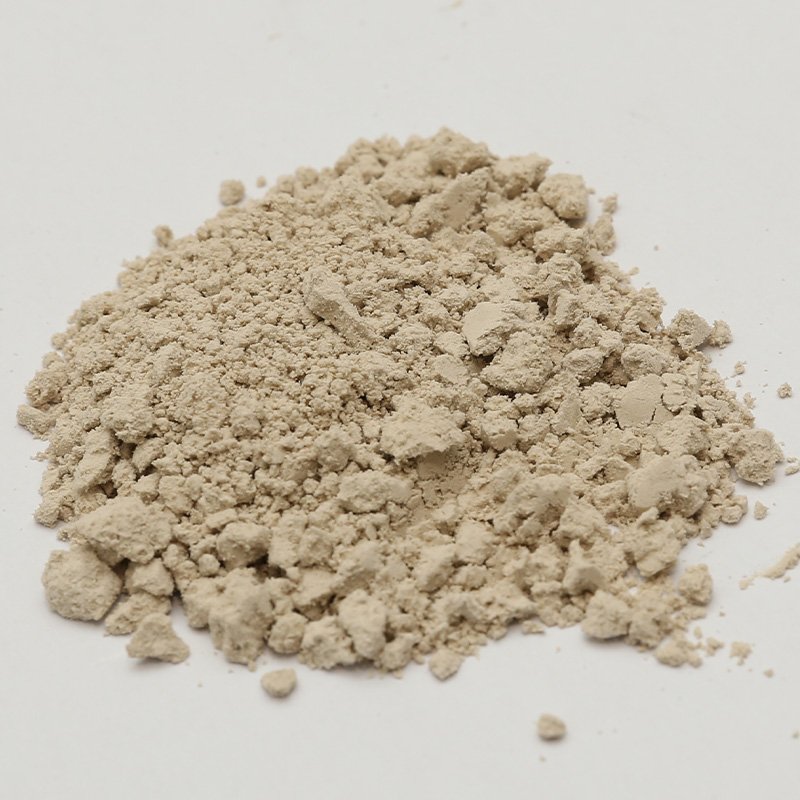
How Do Curing Needs Change Across Rubber Applications
A rubber compound is normally chosen around what a finished part needs to do. A sealing ring, vibration‑control component, flexible hose, and molded rubber cover may all require different material behavior, even when each product is made from rubber.
Natural rubber applications often place emphasis on elasticity and resistance to repeated flexing. Parts exposed to frequent movement need enough recovery after deformation, while products under constant pressure need suitable shape retention.
Synthetic rubber applications can involve a wider range of working environments. Seals and gaskets may encounter oils or changing temperatures, while hoses may need to remain flexible during bending. Mechanical rubber parts may require a balance between movement and structural support.
Application conditions therefore influence curing choices in several ways:
- Sealing parts: controlled flexibility and shape recovery
- Hoses: bending ability and dimensional stability
- Vibration parts: suitable firmness and repeated movement
- Rubber covers: stable shape and surface condition
A curing approach suitable for one product cannot simply be transferred to another without considering material type and working conditions. Even products made from the same rubber family may require different curing conditions because their shapes, thicknesses, and functions are not identical.
Curing becomes part of a larger production relationship, linking material selection with product design and the environment in which a finished rubber part will operate.
How Does Curing Agent For Silicone Rubber Differ
Silicone rubber behaves differently from many other rubber materials during processing. Its flexibility, temperature behavior, and surface characteristics give manufacturers a different set of curing considerations. A curing approach used for another rubber family cannot simply be carried over without checking how silicone responds during processing.
Curing Agent For Silicone Rubber helps the material move from a workable compound into a stable rubber form. During curing, changes within the material allow a molded or shaped part to retain its intended form after processing. Control of curing therefore affects how a silicone product behaves when it is bent, compressed, heated, or exposed to repeated use.
Silicone rubber is used in products such as seals, flexible covers, electrical insulation parts, and components that need to remain flexible under changing temperatures. A seal may need to recover after compression, while a flexible cover may need to bend repeatedly without losing its basic shape.
Product thickness also deserves attention. A thin silicone part and a thicker molded component may not respond in exactly the same way during processing. Uneven curing can affect different areas of a finished part, especially where the product contains sections with noticeably different thicknesses.
Material choice and curing conditions therefore need to be considered together. A suitable approach depends on the silicone material, product design, processing method, and conditions expected during use.
What Problems Can Occur When Curing Conditions Change
Curing conditions can influence the feel and behavior of a finished rubber part. Small changes in processing may not be obvious during mixing, yet differences can become easier to notice once products are removed from their molds.
Insufficient curing may leave rubber softer than intended, with weaker shape retention during use. A seal could lose its original form more easily, while a flexible component may feel less stable after repeated movement.
Excessive curing can create another type of change. Rubber may become firmer and less willing to flex, which can affect products designed to bend or compress. A part that needs to move with another component may no longer respond in the same way.
Uneven mixing can create variation within one product. Areas receiving different amounts of curing ingredients may develop different material behavior. Temperature changes during processing can also affect how curing progresses through a part.
A few common situations can be viewed in a simple way:
| Curing Condition | Possible Material Change | Application Concern |
|---|---|---|
| Insufficient Curing | Material remains soft | Shape retention |
| Excessive Curing | Flexibility may change | Bending performance |
| Uneven Mixing | Different areas behave differently | Product consistency |
| Unsuitable Temperature | Curing develops unevenly | Processing stability |
Product shape adds another consideration. A thick section may require different heat exposure from a thin section, while narrow corners or detailed areas can respond differently from broad surfaces. Looking at product geometry during process adjustment can make curing problems easier to trace.
How Does the Final Application Affect Curing Choices
Curing decisions are closely connected with what a rubber product needs to do after production. A component that stays compressed for long periods requires different material behavior from one that bends repeatedly during operation.
Sealing products generally need controlled flexibility and shape recovery. A seal that becomes too soft may have difficulty retaining its intended form, while a material that becomes too firm may not adapt well to the contact surface.
Hoses and flexible tubes face repeated bending. Their rubber needs enough flexibility for movement while maintaining a stable shape. Curing conditions can therefore affect how the material responds when the hose is bent, released, or exposed to changing working conditions.
Vibration‑control parts have another requirement. Rubber used around moving equipment may need to absorb movement while still supporting nearby components. A curing condition that changes firmness can influence how such a part responds during operation.
For products used around electrical equipment, silicone rubber may be selected where flexibility and temperature resistance are relevant. In such cases, curing needs to support the intended material behavior without creating unnecessary changes in shape or flexibility.
Application requirements can be grouped into several practical areas:
- Sealing: compression recovery and shape retention
- Flexible parts: bending and repeated movement
- Support parts: controlled firmness and movement
- Protective covers: stable shape and flexibility
- Electrical components: insulation support and dimensional stability
A product should therefore be considered from its working environment rather than from material name alone. Rubber type provides the starting point, while product function helps determine the curing conditions needed during processing.
How Should Curing Be Controlled During Production
Production control begins before curing takes place. Material needs to be prepared in a consistent condition, and curing ingredients need to spread through the rubber rather than remain concentrated in isolated areas.
Mixing deserves close attention because uneven distribution can create differences within a finished part. Once material enters the shaping stage, operators may have limited opportunity to correct such variation.
Heating conditions also need to remain suitable for the selected material and product shape. A thick component may require more careful control than a thin sheet, while a complex shape can contain areas that receive heat differently.
Processing time works together with temperature and material condition. Changing one factor without considering the others can make the final result harder to judge. When a product shows a change in hardness, flexibility, or shape, checking the complete curing process can provide more useful information than focusing on one ingredient.
A practical production check can include:
- Inspect the condition of incoming rubber material.
- Check whether curing ingredients are distributed evenly.
- Confirm that processing conditions match the selected material.
- Observe finished parts for changes in shape or flexibility.
- Compare similar products when a noticeable variation appears.
Keeping records of process changes can also help with later troubleshooting. When a finished part behaves differently, operators can look back at recent material or processing adjustments rather than changing several conditions at once.
Why Should Curing Match the Intended Rubber Application
Rubber products are made for very different working conditions, so curing cannot be separated from material selection and product purpose. A flexible seal, industrial hose, vibration part, and silicone cover may all need rubber with different behavior after processing.
A Rubber Curing Agent should therefore be considered alongside the rubber type, product structure, processing conditions, and intended use. Selection based only on the general category of rubber may overlook important differences in product requirements.
For silicone products, Curing Agent For Silicone Rubber needs to match the characteristics of the selected silicone material and the way a finished component will be processed and used. Product thickness, flexibility, temperature exposure, and dimensional requirements can all influence the curing approach.
A useful way to view production is as a connected chain:
Rubber Material → Curing Approach → Processing Conditions → Product Function
A change at one stage can influence another. Material selection affects curing behavior, curing affects the finished structure, and product requirements determine which material characteristics need to be retained.
For manufacturers and processors, attention to that relationship can make curing decisions more practical. Rather than treating curing as a separate step near the end of production, it can be considered part of the wider process connecting raw material, shaping conditions, and the working environment of the finished rubber product.