English
 Português
 Español
 русский
 中文简体
中文简体Making Synthetic Rubber is closely connected with the wider petrochemical supply chain. Crude oil does not simply enter a rubber production line as a finished raw material. Instead, petroleum is processed into various chemical feedstocks, which can later become materials used in synthetic rubber production. Common production routes therefore create a link between oil markets and rubber manufacturing costs.
Such a connection means that changes in crude oil prices can travel through several stages before reaching a rubber factory. A rise in oil prices may affect the cost of upstream chemical materials, while a decline may gradually reduce some input costs. The response is rarely immediate because suppliers may still hold previously purchased materials, contracts may cover earlier prices, and production schedules can delay new purchasing decisions.
For manufacturers, watching crude oil alone does not provide a complete picture. Feedstock availability, energy expenses, transport conditions and downstream demand also shape the actual cost of production.
A simple supply chain can be viewed as:
Crude oil → Petrochemical materials → Rubber feedstocks → Synthetic rubber production
Each step adds its own conditions. A change at the beginning of the chain can therefore become smaller, larger or delayed before reaching the manufacturing stage.
How Does Oil Become a Cost Factor in Synthetic Rubber Making
Synthetic rubber production depends on chemical building materials that can be connected to petroleum and natural gas processing. Depending on the rubber type and production route, materials such as butadiene, styrene or isoprene may form part of the raw material chain.
Oil prices influence the economics of upstream processing, while supply and demand determine how much of that change reaches individual materials. A manufacturer purchasing rubber feedstocks therefore faces a cost environment shaped by more than the crude oil market itself.
Consider a simplified production chain:
- Petroleum or related hydrocarbon feedstocks enter an upstream processing stage.
- Chemical materials are separated or produced from those feedstocks.
- Suitable materials move into rubber manufacturing.
- Polymer production turns smaller chemical components into rubber materials.
- Further processing prepares the material for downstream applications.
Price movement at an earlier stage can influence later purchasing decisions. The connection may also differ between production regions because some chemical industries rely more heavily on oil‑based feedstocks while others have access to different hydrocarbon sources.
Such variation explains why a change in crude oil prices does not automatically create an equal change in synthetic rubber production costs. The actual effect depends on the structure of the upstream supply chain and the materials used by a particular production line.
Which Production Inputs Change When Oil Prices Move
Raw materials receive considerable attention during cost analysis, although several other inputs can move at the same time. Energy, transportation, packaging and processing materials all form part of the wider manufacturing expense.
Energy has a direct place in factory operations. Equipment used for mixing, heating, drying or other processing stages requires power or heat. A change in energy costs can therefore affect production expenses even when the price of the main rubber feedstock remains unchanged.
Transportation creates another connection. Raw materials may travel from chemical producers to rubber factories, while finished materials later move toward downstream processors. Fuel‑related expenses can influence both routes.
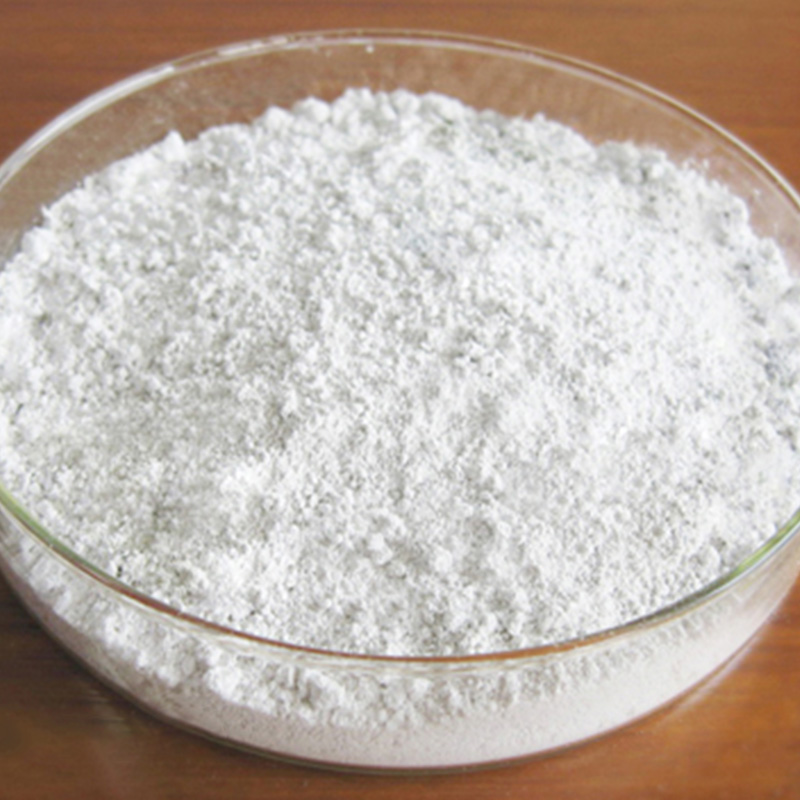
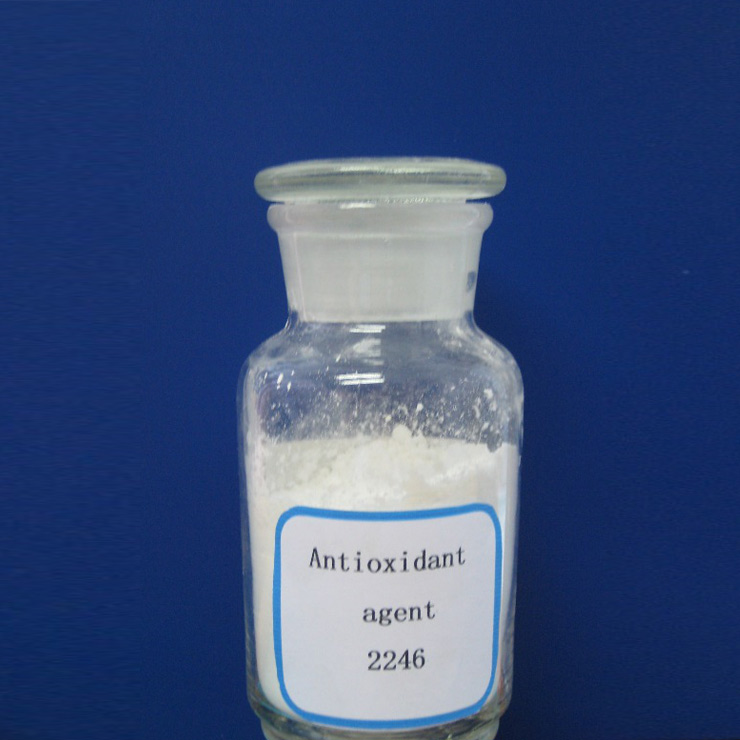
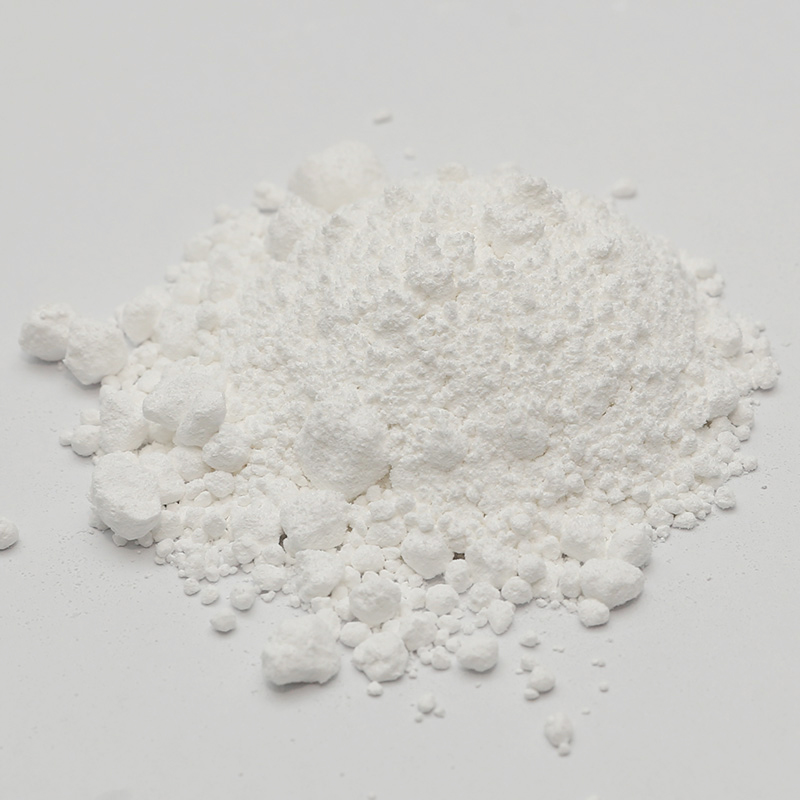
Auxiliary materials also deserve attention. rubber process aids are used in rubber processing to support particular manufacturing steps, and purchasing decisions for such materials can change as overall production costs move.
A production cost structure can therefore be viewed through several categories:
| Production Input | Possible Connection With Oil Price Changes |
|---|---|
| Main feedstocks | May respond through the petrochemical supply chain |
| Energy | Can change with wider energy market conditions |
| rubber process aids | May face separate raw material and supply influences |
| Transportation | Fuel and logistics expenses can affect delivery costs |
| Packaging | Chemical and material costs can influence purchasing |
Not every category moves in the same direction or at the same speed. Keeping each input separate gives manufacturers a clearer view of where cost pressure actually comes from.
Why Does Feedstock Cost Not Always Move With Oil Prices
A common assumption is that synthetic rubber feedstock prices should immediately follow crude oil prices. Real supply chains are less direct.
Upstream producers may have purchased raw materials before a price change occurred. Existing inventories can also delay the effect. Meanwhile, demand from other chemical industries may increase or decrease, changing the availability of a particular feedstock.
Some chemical materials are produced through routes that depend on several factors rather than crude oil alone. Natural gas availability, refinery operations, regional supply and production capacity can all affect the final purchasing environment. Historical industry research also shows that the effect of oil prices on synthetic rubber costs can differ according to the feedstocks and energy sources used in different regions.
For a rubber manufacturer, several signals therefore matter:
- Crude oil movement
- Feedstock availability
- Supplier inventory
- Energy costs
- Transportation conditions
- Downstream rubber demand
Looking at the complete chain helps separate a temporary price movement from a broader change in production conditions.
How Can Oil Price Changes Alter Production Planning
Production planning is closely tied to raw material purchasing. A manufacturer needs enough feedstock for scheduled production, while excessive inventory can create another cost concern when market conditions change.
When upstream material prices rise, purchasing teams may review order timing and available inventory. Production planners may also compare different product schedules according to raw material availability and customer requirements.
A falling oil price creates a different situation. Lower upstream costs may eventually improve purchasing conditions, although existing inventory can keep actual factory costs at an earlier level for a period of time.
Production planning can therefore involve several connected decisions:
Purchasing → Inventory → Production Schedule → Finished Material
A change in one stage can influence the next. For example, delayed feedstock deliveries may affect production timing even when market prices appear favorable.
Making Synthetic Rubber is consequently influenced by both price and availability. A low raw material price has limited practical value when supply cannot arrive at the required time, while stable supply can support smoother planning even during periods of price movement.
The same principle applies to supporting materials. A Rubber Adhesive Supplier may face changes in upstream chemical costs, transport expenses and inventory conditions, creating another layer within the broader rubber supply chain.
What Role Do rubber process aids Play in Cost Management
Raw materials used in rubber production do not all have the same function. Alongside the main feedstocks, supporting materials can affect mixing, processing and the handling of finished compounds. rubber process aids belong to such supporting materials, with their use depending on the production method and required material behavior.
When oil prices change, purchasing teams may look at the wider cost structure rather than treating every material as directly tied to crude oil. A process aid may depend on a different upstream supply chain, so its price movement can follow another pattern.
For a rubber factory, a practical purchasing review may consider:
- Current material availability
- Supplier delivery conditions
- Existing inventory
- Compatibility with the production process
- Changes in related raw material costs
Cost control does not necessarily mean replacing one material with another. A change in processing material can influence production behavior, equipment operation or finished rubber quality, so any adjustment needs to fit the actual manufacturing process.
Oil price movement can therefore create a reason to review supporting materials, although the connection is indirect in many cases. Keeping each material category separate makes it easier to identify the real source of a cost change.
How Do Energy And Transport Costs Affect Rubber Production
Oil price changes can reach a rubber factory through energy and transportation even when the main feedstock price remains relatively stable. Manufacturing requires equipment operation, heating, mixing and other physical processes, all of which consume energy.
Transport creates another connection between upstream suppliers and rubber producers. Feedstocks need to reach the factory, while processed rubber later moves toward downstream users. Fuel expenses form part of those logistics costs, so changes in energy markets may influence delivery arrangements.
A simple cost path can be viewed as:
Raw materials → Factory processing → Storage → Transportation
Every stage has its own expenses. A change in one part does not necessarily create an equal change across the entire chain.
Production planning can respond by paying closer attention to delivery schedules, storage levels and purchasing intervals. Longer transport routes may create different cost pressures from local supply, while changes in shipment timing can influence inventory needs.
For Making Synthetic Rubber, energy and logistics therefore sit alongside feedstock costs rather than replacing them. A useful cost review needs to consider how several expenses interact during production.
Why Can Lower Oil Prices Also Create Production Changes
A decline in crude oil prices may appear to offer an immediate reduction in manufacturing costs, although actual production conditions usually change more gradually.
Existing inventory provides one reason. Material already stored at a factory was purchased under earlier market conditions, so a new lower purchase price does not automatically change the cost of material already in use.
Purchasing agreements can create another delay. Suppliers and manufacturers may have agreed on terms before market conditions changed, meaning a new price environment may take time to appear in actual transactions.
Demand also matters. When downstream orders change, rubber factories may adjust production regardless of the direction of crude oil prices. A factory with lower raw material costs may still reduce output when orders weaken.
Several factors can therefore influence the response:
| Market Change | Possible Production Effect |
|---|---|
| Lower crude oil price | May gradually affect upstream material costs |
| Existing inventory | Can delay the effect on factory purchasing |
| Contract terms | May keep earlier prices in place temporarily |
| Weak downstream demand | Can reduce production despite lower input costs |
| Higher material availability | May make purchasing easier |
Such conditions explain why crude oil movement should be treated as one signal within a larger production environment.
How Does Oil Price Volatility Affect Rubber Adhesive Supply
Rubber production and rubber adhesive supply can overlap through their dependence on chemical materials, energy and transportation. A Rubber Adhesive Supplier may therefore experience some of the same upstream cost pressures faced by rubber manufacturers, although the exact effect depends on the materials used.
Adhesive production involves its own formulation and supply chain. Raw material availability, processing requirements and customer demand can all influence purchasing decisions.
When oil prices move sharply, suppliers may review:
- Raw material purchasing schedules
- Inventory levels
- Transport arrangements
- Production planning
- Delivery commitments
Such reviews do not mean every adhesive material follows crude oil prices directly. Some inputs can come from different sources or respond more strongly to their own supply and demand conditions.
For manufacturers using adhesives alongside rubber products, separating each cost source can make purchasing decisions easier to assess. A change in adhesive pricing may come from chemical feedstocks, logistics or local supply rather than crude oil alone.
What Changes Can Manufacturers Make When Costs Shift
Cost changes can encourage manufacturers to review how production is organized. Large changes are not always necessary. Purchasing schedules, inventory management and production sequencing can all affect how a factory responds to changing market conditions.
Raw material purchasing is one area for review. Ordering too early can leave a factory carrying expensive inventory when prices later decline, while ordering too late can create supply problems when demand rises.
Production batches can also be arranged around material availability. When several products use related inputs, scheduling can reduce unnecessary changes between production runs and help make better use of available materials.
Other practical areas include:
- Reviewing stock before placing new orders
- Comparing material availability across suppliers
- Matching production schedules with confirmed demand
- Monitoring transport conditions
- Separating temporary price changes from longer cost trends
How Can Manufacturers Read Oil Price Changes More Carefully
Oil price movement becomes more useful for production planning when it is viewed as part of a wider chain. A crude oil change may influence upstream chemical materials, while supply, demand and inventory can change the strength and timing of that influence.
A manufacturer involved in Making Synthetic Rubber can therefore track several related signals instead of relying on one market indicator. Feedstock availability shows whether materials can actually be obtained, while inventory indicates how quickly a cost change may reach the factory.
Energy and transport provide another layer. Even when feedstock prices remain stable, higher operating or delivery expenses can affect total production costs.
A simple monitoring framework can follow:
Oil market → Feedstock market → Factory inputs → Production costs
Adding inventory and demand to that chain creates a more realistic picture of production conditions.
For manufacturers, such a view helps avoid treating every market movement as an immediate production change. Cost transmission takes place through connected purchasing and operating decisions, with each stage responding according to its own conditions.
Making Synthetic Rubber is therefore shaped by more than the price of crude oil. Feedstocks, process aids, energy, transport, inventory and downstream demand all contribute to the final manufacturing environment. A Rubber Adhesive Supplier operates within a related chain, where chemical inputs and logistics can create similar cost pressures while following their own market paths.