English
 Português
 Español
 русский
 中文简体
中文简体Rubber products appear in many daily situations, from sealing strips on doors to flexible hoses under sinks, soft pads in machines, and protective covers in household tools. Rubber seems simple because it bends and returns to shape. In real production, behavior of raw rubber changes easily under heat and pressure, so direct use rarely meets long service needs.
Processing starts long before shaping. Material choice decides how rubber behaves during mixing, forming, and later curing. Each ingredient inside the compound plays a different role. Some help rubber move smoothly during processing. Some influence surface feel. Some adjust how material reacts after heating.
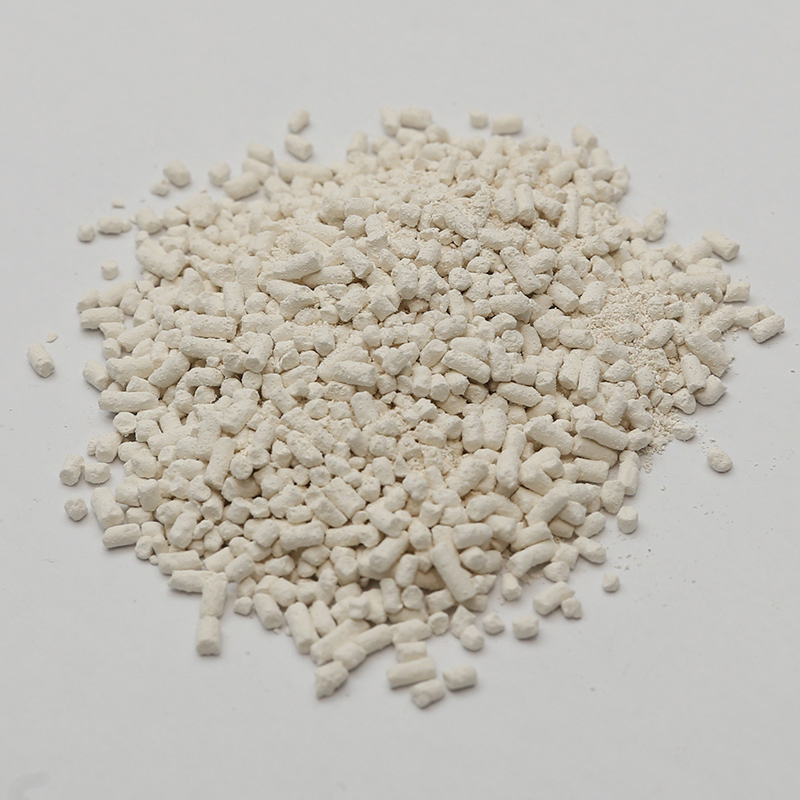
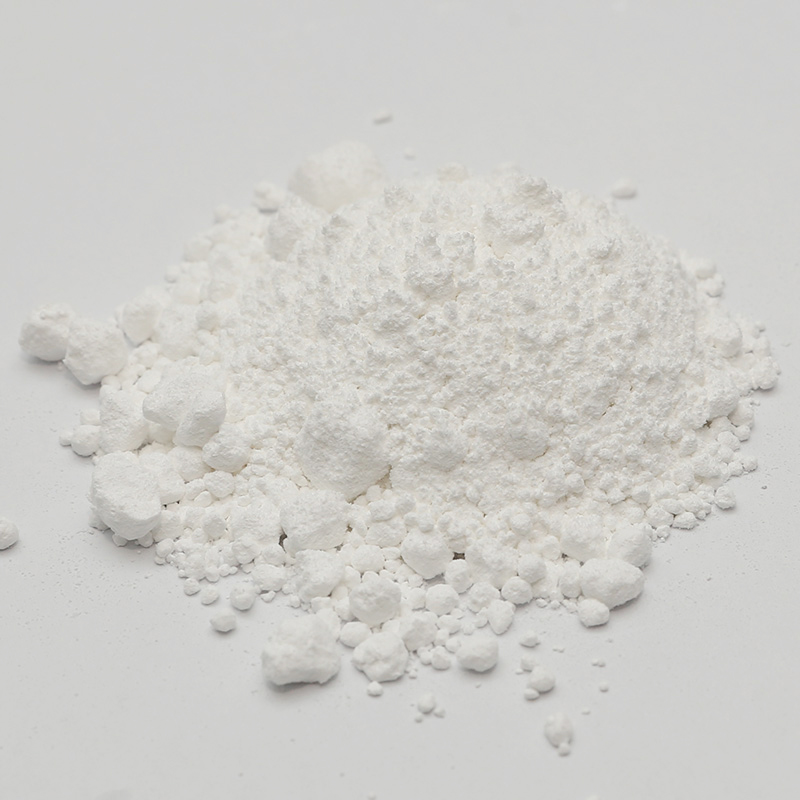
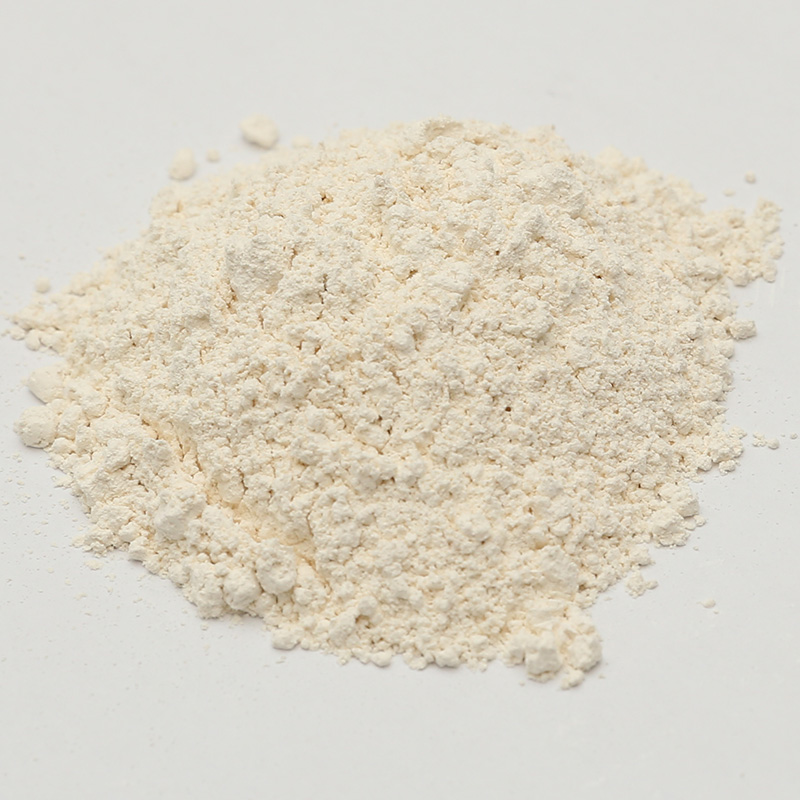
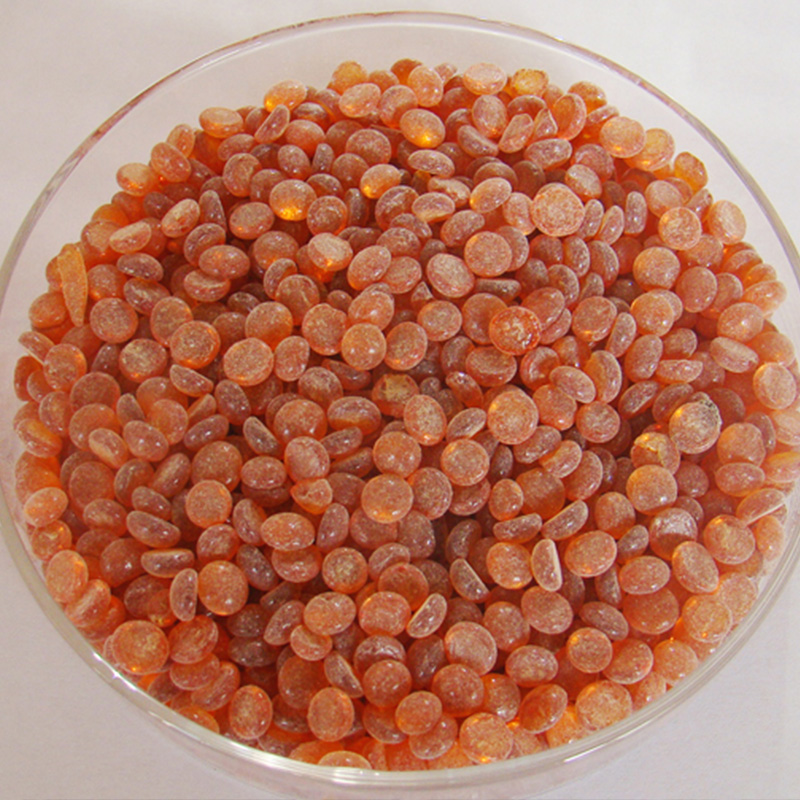
A Rubber Vulcanizing Agent becomes important during later stage of production. It does not only sit inside the mixture. It takes part in internal change that helps rubber become more stable after heating.
In everyday applications, rubber is expected to handle repeated movement:
- door seals pressing and releasing many times
- hose bending during water flow
- machine pads absorbing vibration
- grips and covers staying flexible over time
Without stable processing, surface may deform, shape may shift, and elasticity may drop faster than expected.
What a Rubber Vulcanizing Agent Actually Does
Raw rubber behaves like long flexible chains moving freely. That freedom gives softness, yet also brings instability. Pressure or heat can easily change its shape, and recovery is not always consistent.
A Rubber Vulcanizing Agent supports a change during heating stage. Inside rubber compound, it helps form internal connections between molecular chains. Once those connections start building, structure becomes more organized.
Rubber then behaves differently:
- less random movement inside material
- better shape recovery after pressure
- more stable response during stretching
- smoother behavior after repeated use
This change does not happen instantly. It develops gradually during controlled heating. Balance becomes important, since too little change leaves rubber unstable, while too much change reduces flexibility.
A simple comparison can be seen in daily objects:
- untreated rubber feels soft but loses shape quickly
- properly cured rubber keeps shape after pressing
- repeated bending becomes more predictable
- surface stays more consistent over time
How Rubber Vulcanizing Agent Works During Processing
Before heating, rubber compound is prepared through mixing. At that stage, Rubber Vulcanizing Agent spreads evenly through material, staying inactive until temperature rises.
Once heat is applied, internal reaction begins. Molecular chains start linking together step by step. This process builds a network structure inside rubber, helping it resist deformation while still keeping elasticity.
In practical production, several conditions influence this stage:
- uniform mixing before heating starts
- stable temperature during processing
- consistent material thickness
- controlled duration of curing stage
Even small differences in these factors can change final behavior. For example, uneven mixing may cause one area of product to feel softer while another part becomes slightly stiffer after curing.
During real manufacturing work, attention is often given to simple signs:
- smooth texture before forming
- even flow during shaping
- consistent surface after cooling
- stable elasticity when pressed by hand
How Processing Conditions Affect Curing Behavior
Even when same formula is used, processing conditions still influence final rubber behavior. Heat distribution, mixing quality, and handling steps all affect how Rubber Vulcanizing Agent performs inside material.
Temperature variation is one of common factors. If heating is not uniform, different parts of rubber may cure at different speeds. That leads to uneven flexibility across one product.
Mixing condition also plays a major role. Poor distribution of ingredients may cause localized reaction differences during curing stage. That difference can appear later as uneven surface feel or inconsistent rebound after compression.
In many production environments, attention is usually focused on:
- consistency of material texture before heating
- smooth shaping during forming stage
- stable handling between each step
- even thickness across product sections
Small differences during early steps often become more visible after final curing stage, especially in products that undergo repeated mechanical stress.
How Rubber Properties Change After Vulcanization
Once curing finishes, rubber no longer behaves like a loose and easily shifting material. Internal links formed during heating start holding the structure in a more stable pattern. Movement still exists inside, yet it becomes more controlled, and response to pressure feels more consistent.
In everyday use, that change shows up in simple ways. A seal keeps its shape after being pressed many times. A soft pad does not collapse permanently under repeated load. A hose bends and returns without leaving long-lasting deformation. These behaviors come from the internal structure formed during processing.
Typical changes after curing can be observed in practice:
- recovery after compression becomes steadier
- deformation stays within a limited range
- surface condition remains more even over time
- flexibility and firmness stay in balance
Rubber shifts from a free-moving state into a structured elastic form. That balance is what allows it to work in repeated motion environments without quickly losing function.
| Processing Stage | Main Purpose | Typical Focus |
|---|---|---|
| Material preparation | Prepare ingredients | Uniform raw materials |
| Mixing | Distribute formulation evenly | Consistent compound texture |
| Shaping | Form product geometry | Stable dimensions |
| Curing | Develop stable internal structure | Balanced flexibility and shape retention |
| Inspection | Evaluate finished product | Appearance and consistency |
What Common Processing Challenges May Occur
Rubber processing rarely runs in a perfectly uniform way. Small variations during mixing or heating can influence how internal structure develops later. Even when formula stays unchanged, production behavior may shift slightly from batch to batch.
Uneven curing is one situation that appears in practice. Some areas receive slightly different heat exposure, so internal linking develops at different speed. That leads to parts of the same product feeling slightly different when pressed or bent.
Surface inconsistency may also appear. If raw compound is not evenly distributed before heating, final cooling stage may show subtle texture differences. These variations are usually small, yet they can influence long-term wear behavior.
Common reasons behind processing variation include:
- uneven distribution during mixing stage
- unstable heating conditions during curing
- differences in material thickness
- inconsistent cooling after forming
Workshops often focus on correcting these points early rather than adjusting finished items later. Small adjustments in early stages usually reduce variation across the full batch.
How Quality Control Supports Stable Production
Quality control in rubber manufacturing is not limited to final inspection. It runs through multiple steps, starting from raw compound preparation and continuing until final product evaluation. Each stage gives signals about how material is behaving.
Before heating, compound texture gives the indication. A uniform and smooth mixture suggests stable preparation. During forming, flow behavior helps confirm whether distribution remains even. After curing, surface condition and elasticity response become main reference points.
Routine checks usually involve:
- reviewing compound consistency before shaping
- observing material flow during forming process
- monitoring heating stability during curing stage
- checking surface condition after cooling
- simple pressure response testing
These steps do not require complex methods. Simple observation and repeated practice often provide enough information to maintain stable production conditions.
Where Vulcanized Rubber Is Commonly Used
Rubber that has gone through curing appears in many familiar products. Its stable structure makes it suitable for situations involving repeated movement, compression, or sealing requirements.
Common usage includes:
- door and window sealing strips
- flexible hoses in water or air systems
- vibration absorbing pads in equipment
- protective sleeves and covers
- general elastic components in household items
In each case, material must stay flexible while resisting long-term shape loss. That balance depends heavily on how internal structure was formed during processing.
A sealing strip, for example, must remain soft enough to press tightly against a surface while still keeping its shape after repeated opening and closing. Similar requirements appear in vibration pads, where constant movement requires stable recovery.
When processing conditions remain steady, rubber behavior becomes easier to predict. Production lines can operate with fewer adjustments, and material response stays more consistent across different batches.
Stable curing behavior also helps reduce variation during long production cycles. Operators can rely on established conditions instead of frequently modifying settings. That reduces unnecessary interruptions during manufacturing.
Practical benefits of stable processing include:
- more consistent product behavior across batches
- smoother handling during repeated production
- fewer corrections needed during operation
- easier identification of small process changes
In long-term manufacturing environments, stability often matters more than complexity. When rubber reacts in a predictable way, both production and maintenance become easier to manage, and finished products perform more reliably during everyday use.