English
 Português
 Español
 русский
 中文简体
中文简体Raw rubber is flexible and can change shape easily, which makes processing possible before curing. During vulcanization, rubber chains become connected through crosslinks, creating a more stable structure that can retain its shape after processing. Sulfur is widely used for such crosslinking, while other curing systems can use different chemical routes.
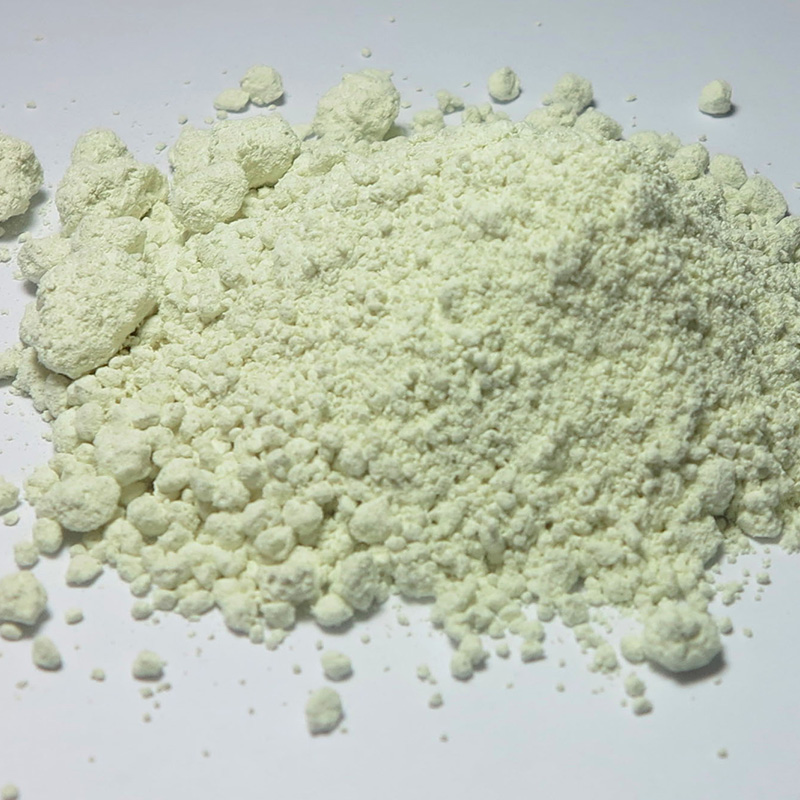
A Rubber Vulcanizing Agent is therefore not simply an ingredient added to make rubber harder. Its role is connected with the formation of links between polymer chains. A Rubber Curing Agent can refer more broadly to materials that take part in forming or controlling that cured structure.
Several ingredients may work together during processing. One material provides the chemical source for crosslinking, while other components can influence reaction speed, activation, or the type of links that develop.
A simple way to view the relationship is:
- Rubber Compound → Curing Ingredients → Heat → Crosslink Formation → Changed Rubber Behavior
Such a process needs coordination because curing begins only after the compound reaches suitable processing conditions.
What Role Does a Rubber Vulcanizing Agent Play
Vulcanization changes the way rubber chains move relative to one another. Before curing, long chains can slide and rearrange more freely. Crosslinks restrict part of that movement, allowing the material to retain a more stable shape after processing.
Sulfur-based systems create sulfur-containing links between suitable rubber chains. Research on sulfur vulcanization describes the formation of crosslinked structures through reactions involving sulfur and reactive sites within rubber.
A Rubber Vulcanizing Agent therefore participates in a chemical process rather than acting as a simple filler. Its interaction with the rubber compound depends on the selected curing system and the nature of the rubber.
Different curing routes can produce different types of crosslinks. Sulfur systems may form sulfur-based connections, while peroxide systems can create carbon-to-carbon links. Such differences influence how the finished material responds to heat, deformation, and repeated movement.
The curing ingredient must also remain properly distributed through the rubber compound. Uneven distribution can create areas that respond differently during heating, making the final material less uniform.
What Does a Rubber Curing Agent Do During Processing
Curing is a broader process than the action of one ingredient. A Rubber Curing Agent may participate directly in crosslink formation, while other materials can help activate or control the reaction.
During processing, rubber compounds are mixed so that curing ingredients become distributed throughout the material. Heat later starts and develops the reactions needed to form the rubber network.
Accelerators are commonly used with sulfur systems because sulfur alone can react slowly. Research from the Society of Rubber Industry, Japan notes that accelerators promote sulfur vulcanization and influence the curing process.
A curing system can therefore contain several functional parts:
| Component | General Function |
|---|---|
| Vulcanizing ingredient | Participates in crosslink formation |
| Accelerator | Helps control reaction speed |
| Activating ingredient | Supports curing reactions |
| Retarder or inhibitor | Delays unwanted early curing |
| Rubber compound | Provides the polymer chains being connected |
Such roles can overlap depending on the formulation. Some materials may serve more than one purpose, while a particular rubber may require a different curing route.
How Do Vulcanizing and Curing Ingredients Interact
Interaction begins during mixing and continues as temperature rises. In a sulfur-based system, the vulcanizing ingredient needs to become available to reactive sites within the rubber. Accelerators can help create more reactive sulfur species, allowing crosslink formation to proceed under controlled processing conditions.
A Rubber Curing Agent works within that wider environment. Rather than treating each ingredient separately, rubber processing considers how ingredients influence one another.
The relationship can be described in practical terms:
- Sulfur or another curing material provides a route for crosslink formation
- Accelerating materials influence reaction speed
- Activating materials support the curing system
- Retarding materials can delay premature reaction
- Heat allows the intended chemical changes to develop
Balance matters because changing one part of the formulation can affect the behavior of other components. Too rapid a reaction may create processing difficulties before shaping is complete, while a slow reaction can leave the compound insufficiently cured.
Premature curing during mixing or forming is generally undesirable because the material needs to remain workable until it reaches its intended shape.
How Does Heat Affect the Curing Process
Heat provides the conditions needed for many curing reactions to proceed. A rubber compound may contain all required ingredients, yet crosslinking will not develop in the same way until suitable thermal conditions are reached.
During heating, reactive ingredients interact and begin forming links between rubber chains. As curing progresses, the structure changes gradually rather than appearing instantly.
Temperature also influences reaction speed. A higher processing temperature can make curing reactions proceed more quickly, while insufficient heat may slow the development of the intended network.
Careful control is important because excessive thermal exposure can also alter rubber behavior. Some compounds can continue reacting after the desired curing stage, changing their structure in an unwanted direction.
Vulcanization itself releases heat as a chemical reaction, so thermal behavior comes from both external heating and the reaction taking place inside the compound.
For production control, heating needs to be considered together with:
- Rubber type
- Curing system
- Mixing condition
- Part thickness
- Mold or processing environment
- Intended final properties
A curing schedule therefore cannot be separated completely from the formulation being processed.
Why Does Ingredient Distribution Matter
Even curing depends partly on how well ingredients are dispersed through the rubber compound. During mixing, sulfur, accelerators, activators, and other materials need to reach the areas where reactions will occur.
Poor distribution can create local differences. One area may contain more curing ingredients, while another has less. During heating, such differences can help to changes in crosslink development from one part of a rubber component to another.
Mixing quality consequently has a direct connection with curing behavior. A compound that appears uniform at a glance may still contain small variations that become more noticeable during curing.
A practical production sequence can be viewed as:
- Accurate Mixing → Even Distribution → Controlled Heating → Crosslink Development
Focusing only on the curing stage can overlook problems introduced earlier during compounding.
Ingredient distribution also matters when producing thick rubber parts. Heat needs to reach different sections of the material, while curing ingredients need to be present throughout the compound. Both factors can influence how evenly the final structure develops.
How Does the Choice of Curing System Affect Rubber Behavior
Rubber does not respond to every curing method in the same way. Material structure, intended use, processing temperature, flexibility requirements, and resistance to heat can all influence the choice of curing system.
Sulfur-based curing remains common for many rubber compounds because sulfur can form links between suitable rubber chains. Peroxide curing follows a different route and can create carbon-based connections within the rubber structure. Other curing approaches are also used for particular materials and processing needs.
A Rubber Vulcanizing Agent therefore needs to match the rubber compound rather than being selected separately from it. Changing the rubber can change the way curing ingredients react, so a formulation used for one material may require adjustment when another material is processed.
Crosslink structure can influence several practical characteristics:
- Resistance to deformation
- Flexibility during repeated movement
- Response to heat
- Recovery after stretching
- Surface behavior
- Long term shape retention
Curing does not simply make rubber harder. A suitable crosslink structure gives the compound a controlled balance between flexibility and structural stability.
A rubber part intended to bend repeatedly may require a different curing approach from one expected to remain firm under continuous mechanical stress. Material selection and curing selection therefore develop together during formulation work.
How Does Rubber Type Influence the Curing System
Different rubber materials contain different chemical structures, so their response to curing ingredients can vary. Some rubber types work well with sulfur-based systems, while others are commonly processed through peroxide or another curing route.
A Rubber Curing Agent must therefore be considered alongside the rubber itself. Reaction behavior depends on available chemical sites, processing conditions, and the type of crosslinks that can develop.
For practical production, several questions can guide formulation decisions:
- What type of rubber is being processed?
- How will the finished part be used?
- What level of flexibility is required?
- Will the rubber face repeated heating?
- Does the material need resistance to permanent deformation?
- Which curing route fits the processing conditions?
Rubber type also affects mixing behavior. Some compounds require careful temperature control during mixing because early curing can reduce workability. Others may respond differently to the same ingredients.
A curing system should therefore be treated as part of the complete rubber formulation rather than as an isolated additive package.
What Happens When the Curing Process Is Not Properly Controlled
Curing needs to progress within a suitable processing range. Too little curing can leave the rubber structure insufficiently developed, while excessive curing can change the material in another direction.
Under-curing may leave rubber softer than intended or reduce its ability to retain shape under load. Uneven curing can create differences between areas of the same component, especially where heating or ingredient distribution varies.
Over-curing can also affect flexibility and other material characteristics. Rubber may become less suitable for repeated movement when excessive crosslink development changes chain mobility.
Several production conditions can contribute to irregular curing:
- Uneven ingredient distribution
- Inconsistent heating
- Incorrect processing time
- Poor temperature control
- Premature curing during mixing
- Differences in part thickness
- Changes in rubber composition
A problem found after curing may therefore have started during compounding or shaping.
For example, a surface problem may appear to be related to mold conditions, while the underlying cause could involve uneven mixing. Looking at each production stage in sequence can make troubleshooting more practical.
How Can Manufacturers Monitor Curing Behavior
Curing behavior can be followed by observing how a rubber compound changes during heating. As crosslinking develops, material resistance to deformation changes as well.
Production teams may examine the relationship between processing conditions and material response rather than relying on appearance alone. Changes in mixing behavior, shaping response, curing development, and finished part flexibility can provide useful information.
A simple monitoring approach can follow several stages:
- Before Mixing → During Mixing → During Heating → After Curing
Before mixing, raw materials need suitable storage and handling. During mixing, ingredient distribution becomes important. Heating then activates the curing system, while inspection after curing helps identify changes in the final rubber structure.
Curing behavior can also be affected by the condition of processing equipment. Heating surfaces, molds, mixing equipment, and surrounding conditions can influence how evenly heat reaches the compound.
For thick components, heat movement through the material may take longer than in thin sections. Different areas can therefore experience different curing conditions during the same production cycle.
Monitoring needs to consider the complete part rather than only one visible surface.
What Production Factors Should Be Checked Together
Rubber curing involves several connected stages, so production control works better when related factors are considered together.
| Production Factor | Possible Influence |
|---|---|
| Rubber type | Determines suitable curing approach |
| Ingredient distribution | Affects curing consistency |
| Mixing condition | Influences compound uniformity |
| Heating | Activates curing reactions |
| Processing time | Allows crosslink development |
| Part thickness | Affects heat movement |
| Mold condition | Influences shaping and heat transfer |
| Storage condition | Can affect raw material behavior |
A change in one area can influence another. For instance, changing the rubber type may require changes to the curing system, while changing the curing system can alter suitable heating conditions.
Mixing also deserves attention because curing ingredients need to remain distributed throughout the compound. Poor dispersion can produce areas that react differently during heating, even when the overall formulation appears correct.
Processing equipment should remain part of routine checks as well. Uneven heating or contamination around mixing and molding areas can affect rubber behavior independently of the selected curing ingredients.
How Do Vulcanizing and Curing Ingredients Support Rubber Processing
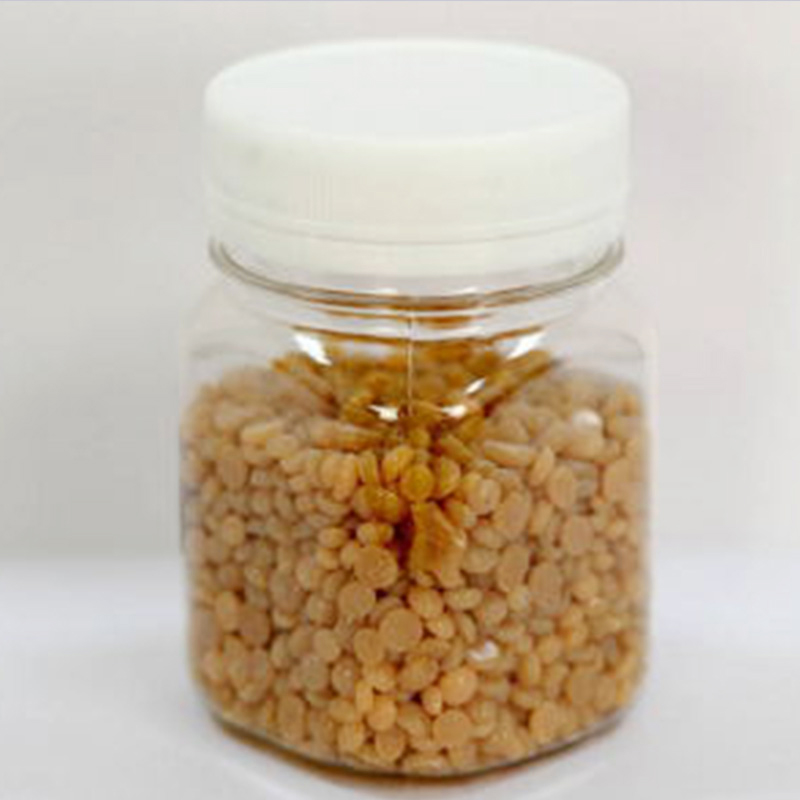
A Rubber Vulcanizing Agent provides a route for creating connections between rubber chains, while a Rubber Curing Agent can take part in the broader curing system that controls how those connections develop.
Their roles become clearer when curing is viewed as a process rather than a single chemical action. Mixing prepares the compound, heat activates reactions, curing ingredients guide crosslink formation, and processing conditions influence how the structure develops.
For sulfur-based systems, sulfur participates in forming crosslinks, while other ingredients can influence reaction speed and activation. Different curing systems follow different chemical routes, so formulation needs to match the rubber material and intended working conditions.
Practical control often comes down to keeping several relationships in balance:
- Suitable rubber material
- Appropriate curing ingredients
- Even material distribution
- Controlled heating
- Suitable processing time
- Stable forming conditions
Such balance helps maintain predictable behavior throughout a rubber component.
Why Does Curing Need to Be Viewed as a Complete Process
Rubber curing begins long before heat reaches the final molded part. Material selection, weighing, mixing, dispersion, storage, shaping, and heating all have a connection with the final crosslinked structure.
Treating the curing stage separately can hide problems created earlier. A poorly mixed compound may not cure evenly, while a well-mixed compound can still develop unwanted properties under unsuitable heating conditions.
A complete production view follows the material from compound preparation through finished shaping:
- Material Selection → Mixing → Ingredient Distribution → Forming → Heating → Crosslink Development → Finished Rubber
Each stage prepares conditions for the next one. When a change appears in the finished product, tracing the process backward can help locate the source.
For manufacturers working with different rubber compounds, flexibility in curing methods also matters. One formulation may use sulfur-based ingredients, while another may require a peroxide or different curing route. Matching the system to the rubber structure avoids treating every material as though it reacts in the same way.
Curing remains a connected chemical and manufacturing process. A Rubber Vulcanizing Agent contributes to crosslink formation, while a Rubber Curing Agent works within the wider curing system. Heat, mixing, ingredient distribution, rubber type, and processing conditions determine how those roles come together in the finished material.