English
 Português
 Español
 русский
 中文简体
中文简体Rubber materials are used in many industrial products that need flexibility, shape retention, and steady performance under working pressure. Once raw rubber enters processing, its final behavior depends on more than the original compound alone, since heat, pressure, mixing condition, and curing behavior all shape how the material develops.
A Rubber Vulcanizing Agent becomes part of that process by helping change the internal structure of rubber during curing. When processing conditions match the material needs, the finished product may show a different balance of elasticity, strength, and resistance to wear. When conditions drift away from the right range, the material can behave in a less stable way during service.
Industrial users often look at vulcanization as part of a wider production chain rather than a single step. Material choice, processing method, and later use all connect with the curing stage, making it important to understand how each part affects the final result.
Why Does Rubber Vulcanization Influence Material Properties
Rubber in its untreated form tends to behave in a softer and less stable way, which can limit how well it performs in industrial products. Vulcanization changes that behavior by helping the material gain a stronger internal structure, so the finished rubber can keep its form more reliably during use.
During curing, molecular chains in rubber begin to connect in a more organized way. That change influences how the material stretches, how it recovers after deformation, and how it responds when exposed to heat, pressure, or repeated movement. A product that remains too soft may deform too easily, while material that becomes too rigid may lose the flexibility needed for daily service.
Different industrial products require different property balance. A seal, a hose, a belt, or a vibration part may each call for a different level of softness and resistance, so vulcanization is rarely treated as a fixed process. Instead, the process is shaped around the intended use of the final part.
A few property changes often receive close attention during production:
- elasticity and recovery after stretching
- resistance to heat during service
- strength under working stress
- surface durability during repeated contact
When vulcanization is handled with care, the resulting material often behaves in a more stable way across a wider range of working conditions. That stability is one reason rubber processing remains closely tied to the curing stage rather than to raw material selection alone.
How Does Rubber Vulcanizing Agent Change Rubber Structure
A Rubber Vulcanizing Agent supports the curing stage by helping form links between rubber chains, which changes the way the material behaves under pressure and movement. Once those internal links develop, the rubber no longer acts like a loose and easily shifting material, since its structure begins to hold together in a more organized form.
That structural change affects performance in several directions at once. Elastic recovery becomes more controlled, surface stability can improve, and the material may resist wear in a steadier way during use. Such changes do not appear in one sudden moment; they build as the curing process moves forward and the internal network becomes more complete.
The agent also works alongside other parts of the compound, so its effect is not isolated. Mix quality, compound balance, heating condition, and curing environment all interact with the vulcanizing stage, which means final performance depends on the full process rather than on one ingredient alone.
| Material Property | Possible Change During Vulcanization | Practical Influence |
|---|---|---|
| Elasticity | Internal structure becomes more controlled | Supports flexible use |
| Strength | Rubber chains connect in a steadier way | Helps the material resist stress |
| Heat Resistance | Structure stays more stable under heat | Supports service in warmer conditions |
| Durability | Surface and body hold together more firmly | Helps reduce early wear |
Structural change is often what separates basic rubber behavior from more usable industrial behavior. A material that gains better internal order can perform more predictably, which matters in products that must keep their shape and function during repeated service.
What Factors Affect The Performance Of Rubber Vulcanizing Agent
The effect of a vulcanizing agent does not depend on the ingredient alone. In industrial rubber production, compound design, heating condition, and material balance all shape the final result, so a process that works well in one situation may not behave in the same way in another.
Mixing quality is one of the main concerns. When ingredients are distributed evenly, the curing stage usually develops in a more stable way. Uneven mixing may leave parts of the material under-cured or over-cured, which can create differences in flexibility, hardness, or surface feel after processing.
Processing environment also matters. Heat level, pressure, and curing time all influence how the rubber structure develops. A change in any one of those conditions may alter how much the internal network forms, which later affects product performance during use.
Material formula needs equal attention because different rubber compounds respond in different ways. Some mixtures react more quickly, while others need a different balance to reach the intended condition. That is why production teams often adjust the compound according to the intended product rather than applying one fixed formula across every application.
A few common factors shape how the agent performs:
- balance of ingredients in the compound
- quality of mixing before curing
- heat condition during processing
- pressure and time during vulcanization
When those conditions are kept in line with the product requirement, the final material tends to behave in a more stable and usable way.
What Are The Common Rubber Accelerator Uses In Industrial Production
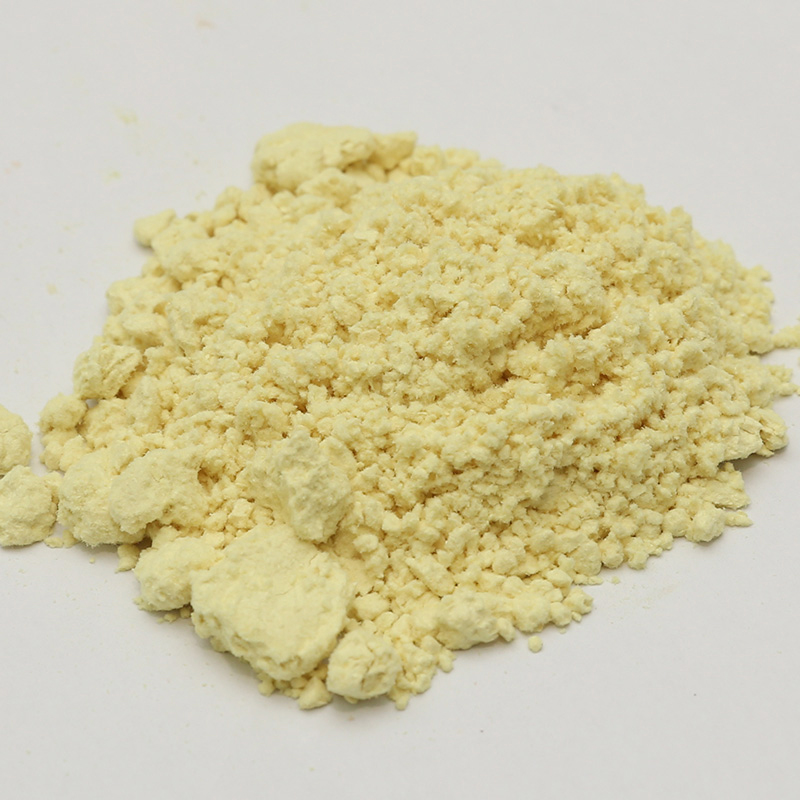
In rubber processing, curing does not always work at a single pace. Some materials need help moving through the process in a more controlled way, and that is where Rubber Accelerator Uses become relevant. Accelerators help support the curing stage by improving how the compound responds during vulcanization, which can make production more manageable in industrial settings.
Industrial rubber products often rely on this kind of control because processing lines need a balance between material performance and manufacturing flow. When curing proceeds in a steadier way, final parts may show more consistent behavior across different production runs.
Common uses appear in parts that must handle movement, contact, or repeated working stress. Products such as seals, hoses, belts, mats, and general rubber components often depend on curing behavior that stays within a suitable range. In those cases, accelerator choice can affect how the material develops during processing and how it behaves once installed in service.
Rubber Accelerator Uses also connect with production efficiency in a practical way. A curing stage that responds in a more controlled manner can help reduce unnecessary variation, which is useful when rubber parts must meet regular industrial needs without frequent process correction.
Several production concerns often shape accelerator selection:
- how quickly the compound responds during curing
- how the final part needs to behave in service
- how stable the material remains after processing
- how the compound fits the rest of the rubber formula
Because different rubber products need different property balance, accelerator use is usually linked with the full compound design rather than a single material target. That makes it part of the larger decision-making process in rubber manufacturing.
How Do Processing Conditions Influence Rubber Performance
Rubber performance continues to change throughout production, even after the compound has already been prepared. Mixing, heating, pressure control, and curing rhythm all leave a mark on the final behavior of the material, and once one condition shifts, the finished part may respond in a different way during service.
Heat is one of the clearest influences during vulcanization, since temperature affects how internal links form inside the compound. A workable heating condition allows the structure to develop in a steady way, while an unsuitable one can leave the material feeling too soft in one area or too firm in another. In products that need repeated movement, that kind of imbalance can matter more than appearance alone.
Timing also shapes the final result. Curing needs enough time for the compound to change throughout its body, not only near the surface, and uneven timing may leave the material with a different feel from one section to another. Pressure and machine behavior play their part as well, because stable operation helps keep the process even from start to finish.
A few production points often receive close attention:
- heating condition during curing
- pressure control during forming
- mixing quality before vulcanization
- consistency of equipment operation
Rubber manufacturing works as a connected chain, so one step supports the next. When the process stays steady, the internal structure of the material has a better chance of forming in a controlled way, which usually helps the finished product behave in a more predictable manner during use.
Why Is Material Testing Important After Vulcanization
Once curing is complete, testing becomes a practical way to see how the material has changed during processing. Appearance alone does not tell enough, since rubber products may look acceptable while still behaving differently under movement, pressure, or changing surroundings.
Testing helps show whether the finished material still keeps the balance needed for real use. Flexibility, recovery after deformation, surface condition, and resistance to repeated contact all reveal something about how the curing stage developed inside the compound. When one part of that balance slips, the product may still be usable, although service behavior can become less even over time.
Different products need different checks. A sealing part may be watched for shape retention, while a moving component may need more attention on flexibility and wear behavior. Because product use varies, testing usually follows the working purpose of the item instead of relying on one common method for every rubber part.
Useful evaluation points often include:
- recovery after stretching or pressing
- stability during repeated movement
- response to working pressure
- changes after exposure to surroundings
Testing also gives manufacturers a chance to review earlier production steps. When the result does not match the expected behavior, mixing, curing, or compound balance can be reviewed and adjusted before the next batch enters service.
Rubber production depends on that kind of feedback. Testing links processing decisions with actual use, which helps explain how one change in preparation may later appear in the finished material.
How Can Manufacturers Select Suitable Vulcanization Solutions
Choosing a vulcanization approach starts with the purpose of the rubber product and the conditions where it will work. A part that moves often may need a different balance from a component used mainly for sealing or support, so selection usually begins with the application rather than the ingredient list.
Working environment often shapes the choice. Contact with other surfaces, movement frequency, expected pressure, and surrounding conditions all affect how the rubber compound should be handled. When those points are clear, the production approach becomes easier to plan in a practical way.
Several matters are usually reviewed before selection:
- purpose of the finished product
- balance between flexibility and firmness
- surrounding conditions during use
- compatibility among compound elements
A Rubber Vulcanizing Agent works together with the rest of the compound, so its effect depends on how the full formula behaves during curing. Looking at one ingredient alone rarely gives a full picture, since final material behavior is shaped by the complete process from mixing to finishing.
Rubber Accelerator Uses also fit into that same picture. Accelerators influence how the compound responds during vulcanization, which means their role changes with the rest of the formulation and with the kind of product being made. A solution that works for one rubber item may need adjustment for another, even when both belong to the same broad industry.
A practical selection process usually comes down to matching compound behavior with service needs. When the material is prepared with the right use case in mind, the finished product has a better chance of staying stable in day-to-day operation.
How Will Rubber Vulcanization Continue Supporting Material Development
Rubber materials keep changing as industrial needs shift toward different balances of flexibility, stability, and service life. Along with those changes, curing methods and compound design also keep moving forward, since the same process does not always suit every product or working condition.
Future development often focuses on finding a steadier balance among material properties instead of pushing one feature alone. Industrial rubber usually needs more than softness or strength by itself, since practical use depends on how those features work together under real conditions.
Production efficiency and material use are also gaining more attention. Manufacturers continue to look at how curing methods affect service life, processing flow, and material behavior over time, since those points influence both product planning and plant operation.
Rubber Vulcanizing Agent technology remains part of that progress because curing behavior still shapes the way rubber performs after processing. Changes in formulation, handling, and evaluation continue to guide how rubber products are made for different industrial needs.
Vulcanization connects raw material preparation with final application in one continuous process. When that connection stays clear, rubber products can be planned and processed in a way that matches actual working conditions more closely.