English
 Português
 Español
 русский
 中文简体
中文简体Synthetic rubber used in sensitive environments carries expectations that go beyond basic elasticity or durability. In food related and medical related applications, material behavior needs to remain stable under repeated contact, handling, and long service cycles. The idea behind Making Synthetic Rubber for these uses is not only about forming a polymer structure, but also about controlling what remains inside that structure after processing.
Material design starts from purity control. Any unwanted residue or unstable component inside the compound may affect how the material behaves later. In sensitive environments, even small variations can become noticeable over time. Because of that, formulation work often focuses on reducing unpredictable elements at an early stage of development.
Another important aspect is consistency in molecular arrangement. Rubber is formed through chain-like structures, and the way these chains connect influences flexibility, resilience, and surface behavior. When structure remains consistent, performance tends to stay more predictable across different use conditions.
Surface behavior also matters. In controlled environments, smooth and stable surfaces reduce the risk of unwanted interaction with surrounding materials. That is one reason why finishing and post-processing are treated as part of the design stage rather than a separate step.
How Is Synthetic Rubber Produced In Controlled Manufacturing Systems
The production of synthetic rubber follows a sequence of controlled reactions where raw materials are gradually transformed into a stable polymer network. During Making Synthetic Rubber, reaction conditions such as mixing behavior and temperature balance influence how the final structure forms.
Inside controlled systems, reaction environments are kept stable to reduce unexpected changes in molecular formation. When conditions remain steady, polymer chains tend to form in a more uniform way. That uniformity later affects elasticity and structural reliability.
Mechanical mixing plays a supporting role. Proper blending ensures that components are distributed evenly before the reaction progresses.
After polymer formation, the material passes through additional treatment stages. These stages help adjust texture and stability so the rubber can be shaped or applied in later manufacturing processes. Each step builds on the previous one, forming a continuous production chain rather than isolated operations.
What Factors Influence Making Synthetic Rubber Suitable For Sensitive Applications
Not all synthetic rubber is suited for controlled environments. Several factors determine whether the material can be adapted for sensitive use.
Raw material selection is one of the earliest decisions. The composition of input materials directly affects how clean and stable the final product becomes. When input variation is reduced, the output tends to remain more consistent.
Reaction stability is another factor. During polymer formation, conditions need to remain within a controlled range. Sudden changes can influence how chains connect, which later affects elasticity and durability.
Post-processing handling also plays a role. After the main reaction, material may still respond to environmental exposure. Careful handling helps preserve structural balance before final shaping or storage.
| Factor Area | Main Influence | Effect on Final Rubber |
|---|---|---|
| Raw material selection | Controls initial purity level | Stability of structure |
| Reaction control | Shapes polymer formation | Consistency of elasticity |
| Mixing behavior | Distributes components evenly | Uniform material quality |
| Post-processing care | Maintains structure stability | Reliable long term behavior |
Each of these factors interacts with the others rather than working alone. The final quality depends on how well they stay balanced across the full production process.
What Defines Food Grade And Medical Grade Rubber Requirements
Rubber intended for controlled environments must meet expectations related to stability, cleanliness, and predictable behavior. In food related use, material contact conditions are considered carefully to avoid unwanted interaction with surrounding elements.
In medical related use, consistency becomes even more important. The material may be exposed to repeated use cycles, and any variation in structure could influence performance. Because of that, material behavior is expected to remain stable across time.
Surface condition is another defining factor. Smooth and controlled surfaces reduce the chance of unwanted accumulation or irregular contact points. That helps maintain consistent behavior during use.
Odor and residue control are also considered during development. Stable materials tend to maintain a neutral behavior profile, which is important in sensitive environments where consistency matters more than appearance.
What Are Rubber Accelerator Uses In Synthetic Rubber Processing
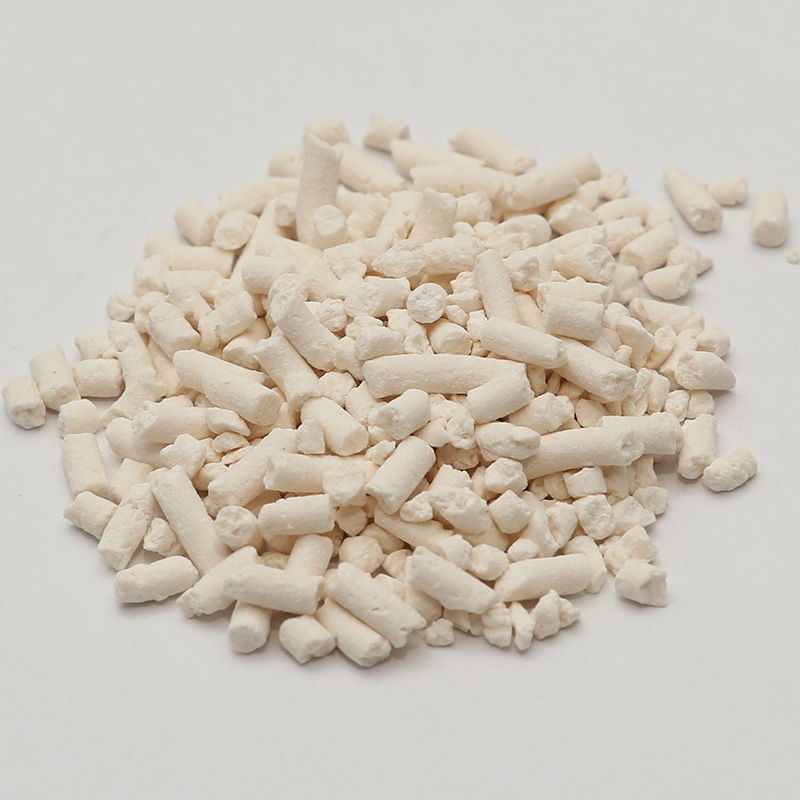
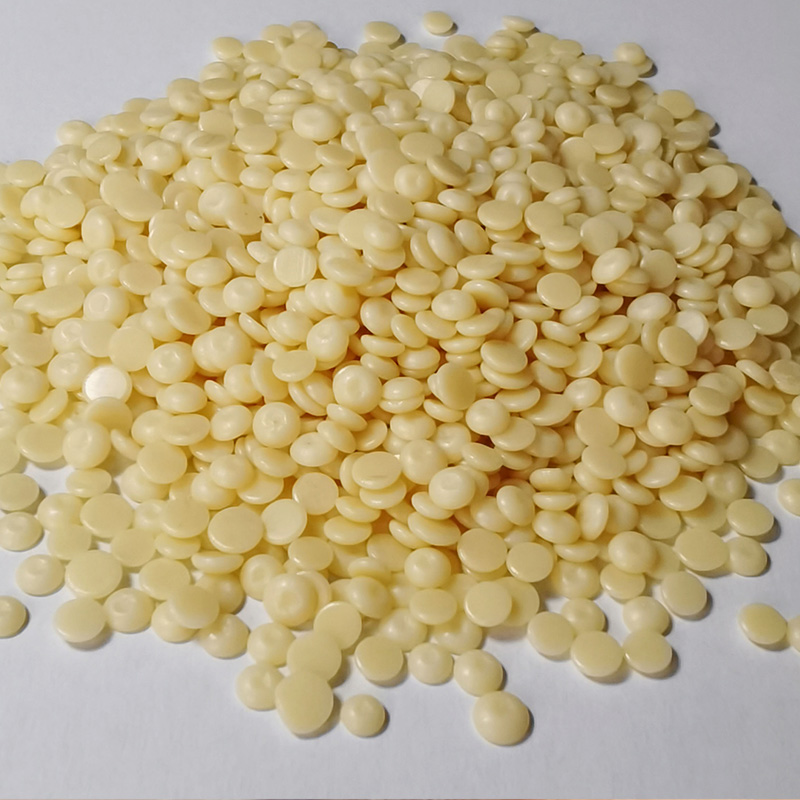
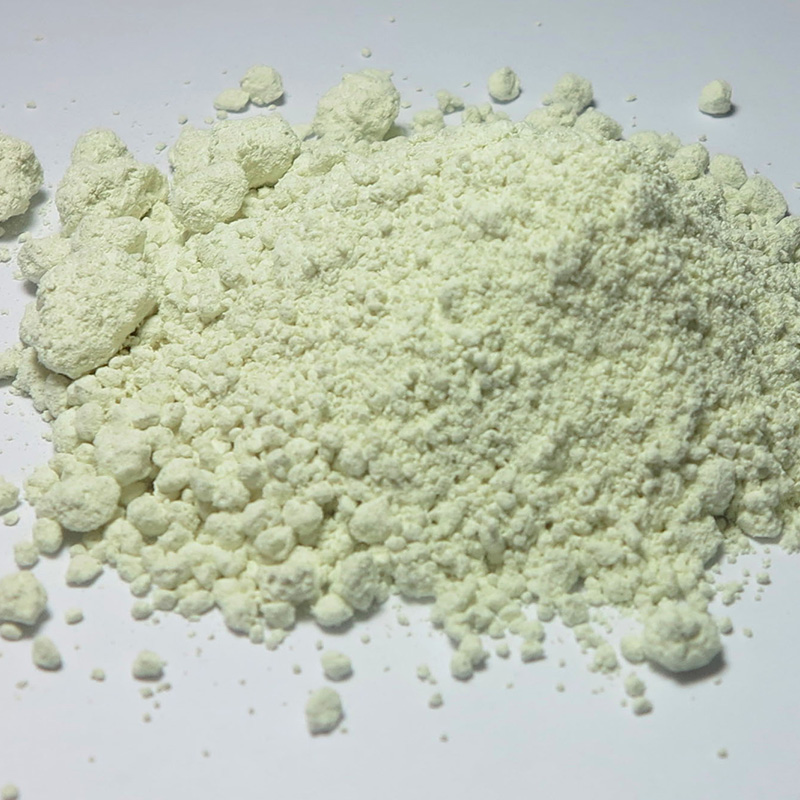
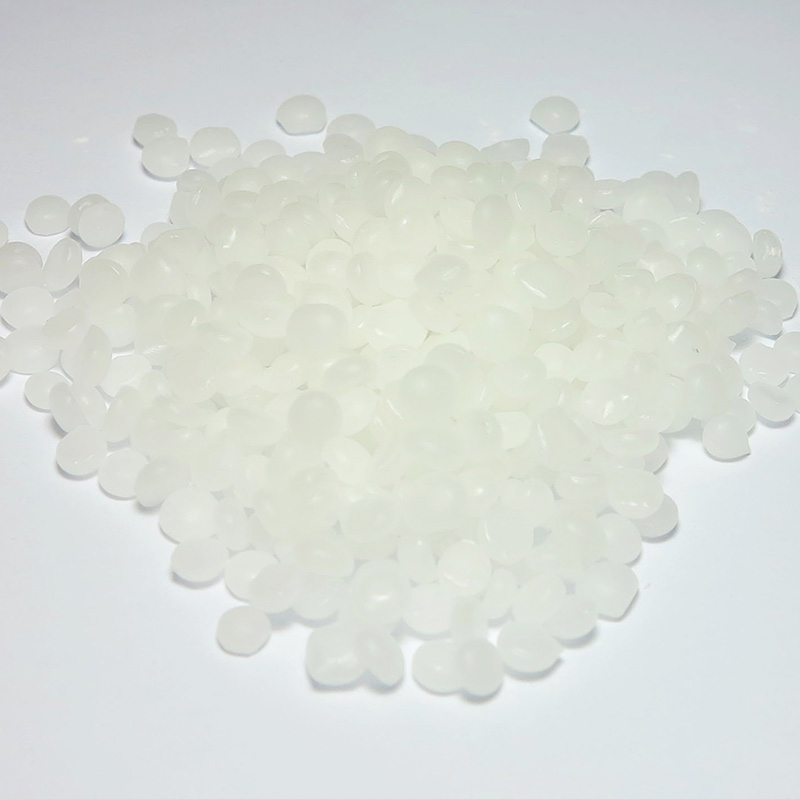
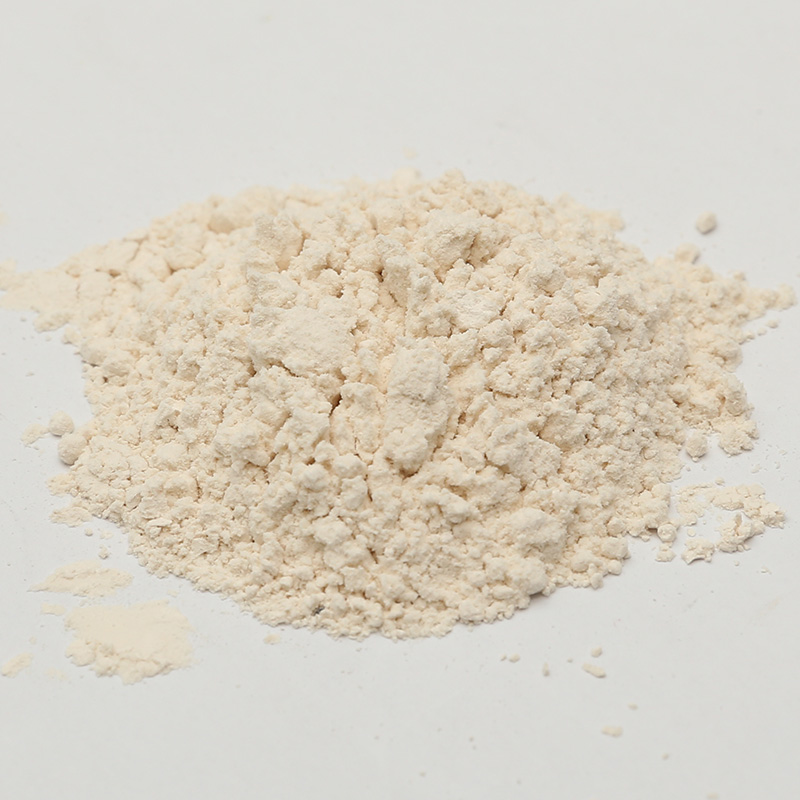
In the process of Making Synthetic Rubber, accelerators are used to guide how chemical reactions proceed during curing stages. They help control how quickly or evenly cross-linking occurs inside the material structure.
Without controlled reaction behavior, curing may become uneven. Accelerators help reduce that variation by influencing reaction timing.
Cross-link formation is an important part of rubber behavior. It determines how chains connect and how the material responds under stress. Accelerators contribute to making that process more predictable.
Rubber Accelerator Uses also include improving processing efficiency. When reaction control becomes more stable, later shaping and forming steps can proceed with fewer adjustments.
How Does Rubber Accelerator Selection Affect Final Rubber Quality
In synthetic rubber processing, accelerator choice quietly shapes how the internal structure settles during curing. The reaction does not happen in a single step. It develops gradually, and the way it develops influences elasticity, surface feel, and long-term stability.
During Making Synthetic Rubber, different accelerator types can guide the curing reaction in different directions. Some systems encourage a smoother and slower cross-link formation, while others push the structure toward a faster stabilization stage. Neither approach is universal. The final selection depends on how steady the material needs to behave in later use.
When curing progresses in a balanced way, the internal network of the rubber becomes more uniform. That uniformity helps reduce weak zones inside the material, which might otherwise show different mechanical responses under repeated stress.
Heat response during curing is also connected to accelerator behavior. If reaction speed is not well controlled, local areas may cure unevenly. Over time, those differences can influence flexibility and durability. A stable accelerator system helps reduce that variation so the material behaves more evenly from one section to another.
How Is Quality Controlled In Making Synthetic Rubber For Sensitive Industries
Quality control in sensitive rubber production is not a single checkpoint. It runs through the whole process like a continuous filter, starting from raw input and ending at finished material handling.
At the beginning stage, material cleanliness is the focus. Any unwanted particles or unstable residue can later affect how the rubber behaves. That is why input handling is often kept within tightly controlled conditions before processing even begins.
During reaction stages, attention shifts toward stability. Mixing behavior, temperature consistency, and reaction timing are monitored to keep polymer formation steady. When these elements stay balanced, the structure tends to develop in a more predictable way.
After curing, inspection moves to surface condition and structural uniformity. Even if the material looks consistent, internal variation can still exist. Careful checking helps confirm that the structure remains stable across the full batch.
- Raw material handling cleanliness
- Stability of reaction conditions
- Uniformity during curing stage
- Surface consistency after processing
- Structural balance across final output
Each step supports the next one, forming a chain where one weak point can affect the entire result.
What Role Does Manufacturing Environment Play In Rubber Grade Control
The environment where rubber is produced has a quiet but steady influence on final material behavior. In Making Synthetic Rubber, even small changes in surroundings can affect how stable the process remains over time.
Clean processing space helps reduce unwanted contact with external particles. When the environment stays controlled, material movement between stages becomes more predictable, which supports consistency across production cycles.
Separation of production zones also plays a role. Raw material preparation, reaction stages, and finishing steps are often kept apart. This reduces the chance of cross-interference and keeps each stage focused on a single function.
Air and temperature stability are also important. Rubber reactions respond to environmental shifts more than it might appear. When temperature drifts or airflow changes, reaction timing can shift slightly. Keeping those conditions steady helps maintain smoother processing behavior.
Over longer operation periods, environmental control becomes part of quality consistency rather than just background support.
How Is Synthetic Rubber Used In Food And Medical Related Applications
In controlled industries, synthetic rubber is often chosen for parts that need flexible behavior with stable long-term performance. The material is not only expected to bend or stretch, but also to keep its structure steady through repeated use.
In food-related environments, rubber components may appear in sealing or contact areas where stable behavior is important. The material needs to remain consistent without unexpected change during repeated interaction.
In medical-related environments, consistency becomes even more noticeable. Rubber parts may go through repeated compression or movement. If structure shifts too easily, performance becomes less reliable over time. Stable elasticity helps reduce that variation.
- Flexible sealing elements
- Repeated compression behavior
- Stable contact surfaces
- Controlled response under temperature variation
These functions depend heavily on how the material is formed and stabilized during production.
What Challenges Exist In Producing High Grade Synthetic Rubber
Producing synthetic rubber for sensitive environments involves several ongoing difficulties that are not always visible in final products.
One challenge is batch-to-batch consistency. Even when processes are controlled, small variations in raw materials or environmental conditions can influence final behavior. Keeping results similar across different production cycles requires careful coordination.
Another challenge is trace impurity control. In sensitive applications, even very small unwanted components can influence stability. Managing this requires attention from early material selection through final handling.
Balancing flexibility with structure stability is also not simple. Rubber needs to remain elastic while still keeping shape under stress. Too much flexibility or too much rigidity can both affect usability depending on the application.
Some formulations are also sensitive to processing conditions. Small changes in temperature or mixing time can influence final structure. That sensitivity requires steady control rather than sudden adjustment during production.