English
 Português
 Español
 русский
 中文简体
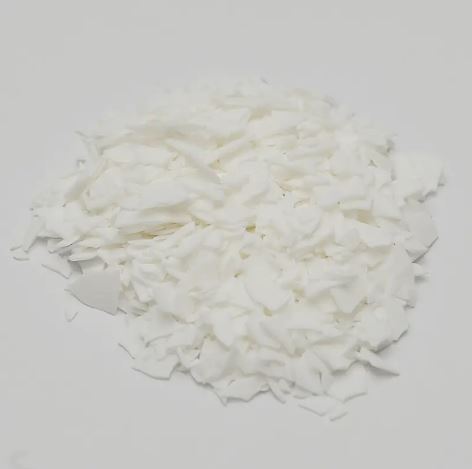
中文简体Melamine Resin is a widely used thermosetting polymer known for its hardness, chemical resistance, and heat stability. Commonly applied in laminates, coatings, adhesives, and kitchenware, it provides a combination of properties that make it suitable for both industrial and consumer applications. When comparing Melamine Resin with other popular resins such as phenolic and epoxy resins, understanding the advantages and limitations helps manufacturers select the appropriate material for a given application.
Advantages in Hardness and Surface Durability
One of the significant advantages of Melamine Resin is its good surface hardness. This characteristic makes it highly resistant to scratches and wear, which is particularly important for decorative laminates, countertops, and furniture surfaces. Phenolic resins, while also durable, are typically more brittle and can crack under mechanical stress, whereas epoxy resins provide good toughness but often lack the same surface hardness. Therefore, for applications requiring scratch resistance and long-lasting aesthetics, melamine offers a clear advantage.
Thermal and Chemical Resistance
Melamine Resin demonstrates strong heat resistance, allowing it to withstand moderate to high temperatures without significant deformation. It also exhibits good resistance to acids, alkalis, and common household chemicals, which makes it suitable for kitchenware and coatings. In contrast, phenolic resins are extremely heat-resistant but may yellow over time, while epoxies provide good chemical resistance but may soften or degrade under prolonged exposure to high temperatures. The combination of thermal and chemical stability positions melamine as a versatile option for environments that experience frequent use and cleaning.
Ease of Processing and Cost Efficiency
Another advantage of Melamine Resin is its ease of processing. It can be molded, laminated, or cured under relatively straightforward conditions, which contributes to manufacturing efficiency and cost-effectiveness. Phenolic resins require higher curing temperatures and are more challenging to process without specialized equipment. Epoxy resins offer good adhesion and customizable formulations, but can be more expensive and may involve longer curing times. For mass production of durable consumer goods, melamine’s processing advantages are particularly attractive.
Limitations and Considerations
Despite its benefits, Melamine Resin has some notable limitations. Its brittleness compared to epoxy means that it is less suitable for applications requiring high impact resistance. Additionally, while its chemical resistance is strong, it may not perform as well as specialized phenolic formulations in extremely harsh chemical environments. Another consideration is environmental and health concerns related to formaldehyde release during production or under high heat, which requires proper handling and adherence to safety standards.
Comparative Summary
When evaluating Melamine Resin, phenolic resin, and epoxy resin, the selection often depends on the balance of desired properties. Melamine provides good surface hardness, chemical and thermal stability, and cost-effective processing, making it ideal for decorative laminates, kitchenware, and furniture. Phenolic resins excel in high-heat applications but may be more brittle and less aesthetically flexible. Epoxy resins offer toughness and adhesion versatility but can be more costly and require longer curing processes.
Choosing the Right Resin
Melamine Resin offers a unique combination of hardness, chemical resistance, thermal stability, and manufacturability that distinguishes it from phenolic and epoxy resins. While it may not match the impact toughness of epoxy or the heat resistance of some phenolic resins, it provides a suitable balance for many industrial and consumer applications. By carefully evaluating the performance requirements, cost considerations, and environmental factors, manufacturers can select the resin that meets their production and product goals.