English
 Português
 Español
 русский
 中文简体
中文简体Rubber accelerators are essential additives in the vulcanization process of natural and synthetic rubbers.
Their primary function is to speed up crosslinking between polymer chains, improving production efficiency.
Beyond curing speed, accelerators significantly influence mechanical properties, particularly hardness and elasticity.
Understanding these effects helps formulators optimize performance for different applications, from tires to industrial seals.
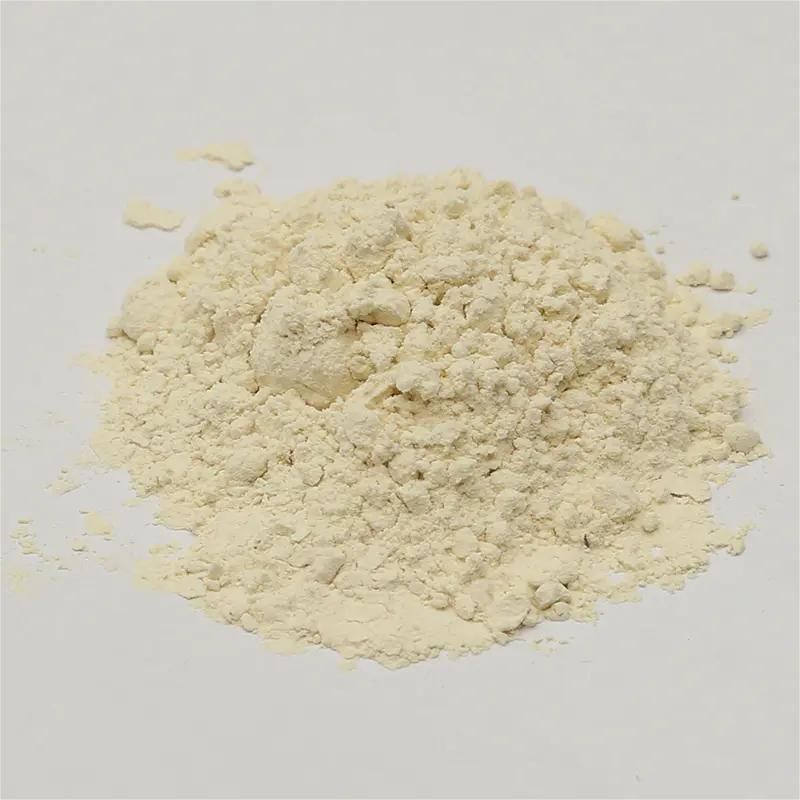
Types of Rubber Accelerators and Their Characteristics
- Primary Accelerators:
These are the main agents that initiate vulcanization quickly.
Examples include sulfenamides, thiazoles, and dithiocarbamates.
- Secondary Accelerators:
Used alongside primary accelerators to enhance curing or modify mechanical properties.
Often improves tensile strength and elasticity without dramatically altering cure time.
- Delayed-Action or Slow Accelerators:
Retard initial crosslinking to prevent premature scorch.
Allow for higher temperature mixing and extended processing windows.
How Accelerators Affect Hardness
Crosslink Density:
Hardness increases with crosslink density, which is directly influenced by accelerator type and dosage.
Faster-acting accelerators often create a denser network, resulting in harder rubber.
Sulfenamide Accelerators:
Provide moderate curing speed.
Achieve a balance between hardness and flexibility, making them ideal for tires and general rubber goods.
Thiazole-Based Accelerators:
Promote faster crosslinking.
Cause higher hardness but may reduce flexibility if overused.
Dithiocarbamate Accelerators:
Extremely fast curing agents.
Can produce very hard rubber, but excessive use may cause brittleness and cracking.
Impact on Elasticity
1. Balance Between Hardness and Flexibility:
Higher crosslink density increases hardness but can reduce elongation and elasticity.
Choosing the right accelerator is crucial to maintain flexibility.
2. Sulfenamide Systems:
Offer moderate elasticity while maintaining adequate hardness.
3. Delayed-Action Accelerators:
Promote uniform crosslinking, preserving elasticity.
Help prevent stress concentration and cracking during use.
Interaction of Accelerator Combinations
Primary + Secondary Systems:
Combining accelerators allows precise tuning of hardness and elasticity.
Secondary accelerators improve elongation and tensile strength while maintaining cure efficiency.
Synergistic Effects:
Proper combinations yield rubber that is strong yet flexible, suitable for demanding applications.
Incompatibility Risks:
Incompatible accelerator combinations may cause uneven curing, reduced mechanical properties, or premature scorch.
Effects on Different Rubber Types
- Natural Rubber (NR):
Highly sensitive to accelerator type.
Requires careful selection to balance hardness and elasticity for tires, seals, and industrial products.
- Styrene-Butadiene Rubber (SBR):
Frequently combined with sulfenamide accelerators for balanced performance.
- Nitrile Rubber (NBR) and EPDM:
Accelerator choice affects elasticity, chemical resistance, and hardness simultaneously.
Processing Factors That Influence Properties
Temperature:
- High temperatures accelerate curing, increasing hardness.
- Delayed-action accelerators help prevent premature hardening during mixing.
Dosage Control:
- Too much accelerator can increase hardness excessively and reduce elasticity.
- Insufficient dosage results in soft, undercured rubber with lower mechanical strength.
Mixing Time and Method:
Uniform dispersion ensures consistent crosslinking and balanced mechanical properties.
Industrial Applications and Performance Requirements
Tires:
- Require a balance of hardness for durability and elasticity for traction and comfort.
- Sulfenamide accelerators are commonly used to meet these requirements.
Seals and Hoses:
- Elasticity is critical to prevent leaks and maintain shape under stress.
- Delayed-action accelerators help retain flexibility.
Footwear and Soft Rubber Products:
- Moderate hardness with high elasticity ensures comfort and wear resistance.
- Accelerator combinations optimize mechanical properties for these products.
Environmental and Safety Considerations
Worker Safety:
Some accelerators may irritate the skin or the respiratory system.
Protective equipment and proper handling are essential.
Regulatory Compliance:
Many modern accelerators comply with REACH and other environmental standards.
Material Efficiency:
Correct accelerator selection ensures efficient curing and reduces scrap material.
Optimizing Hardness and Elasticity
Different Rubber Accelerator types have distinct effects on crosslinking, influencing hardness and elasticity.
Sulfenamides offer a balance of properties; thiazoles increase hardness, and delayed-action types enhance flexibility.
Combining accelerators allows precise tuning for specific applications.
Understanding these effects ensures that rubber products meet performance requirements while maintaining processing efficiency, durability, and safety.