English
 Português
 Español
 русский
 中文简体
中文简体Vulcanization is the chemical process that transforms raw rubber into a durable, elastic material.
The speed of vulcanization affects processing efficiency, product quality, and manufacturing costs.
Rubber additives, such as Rubber Adhesive Agent, play a key role in modifying curing kinetics and crosslink formation.
Understanding the effects of these agents helps formulators optimize rubber compounds for specific applications.
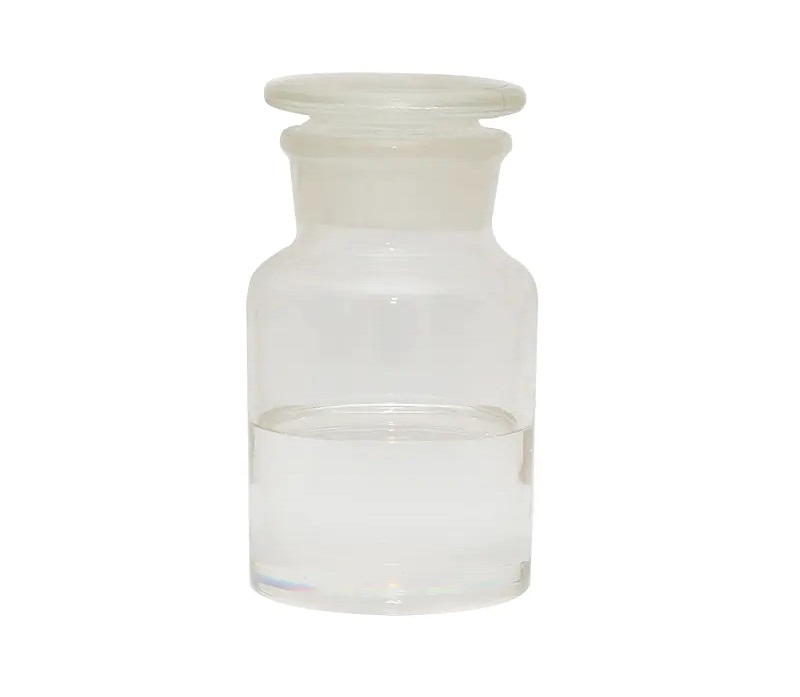
What is a Rubber Adhesive Agent?
- Definition and Function:
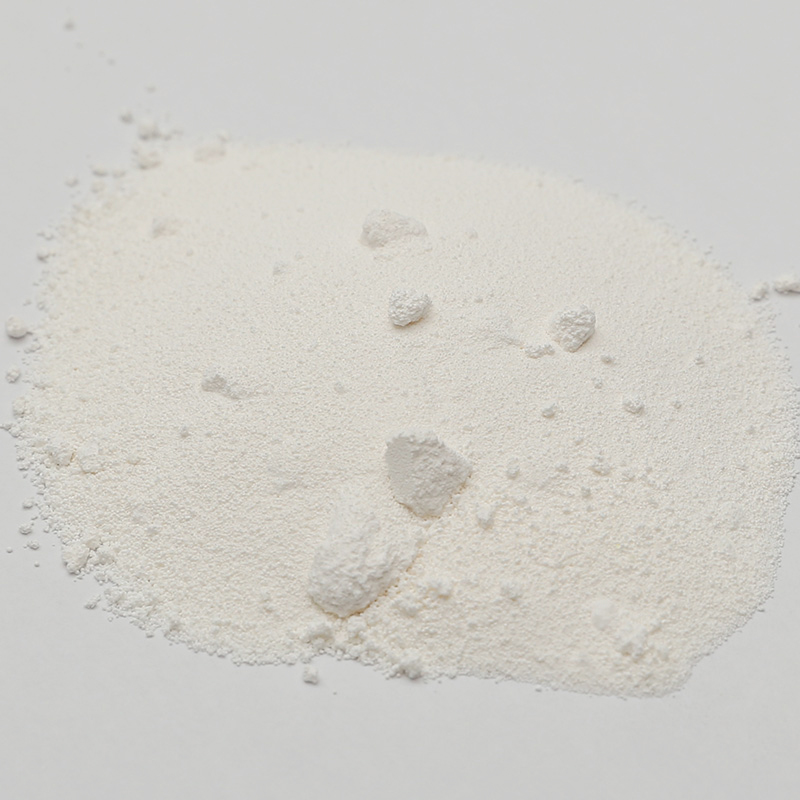
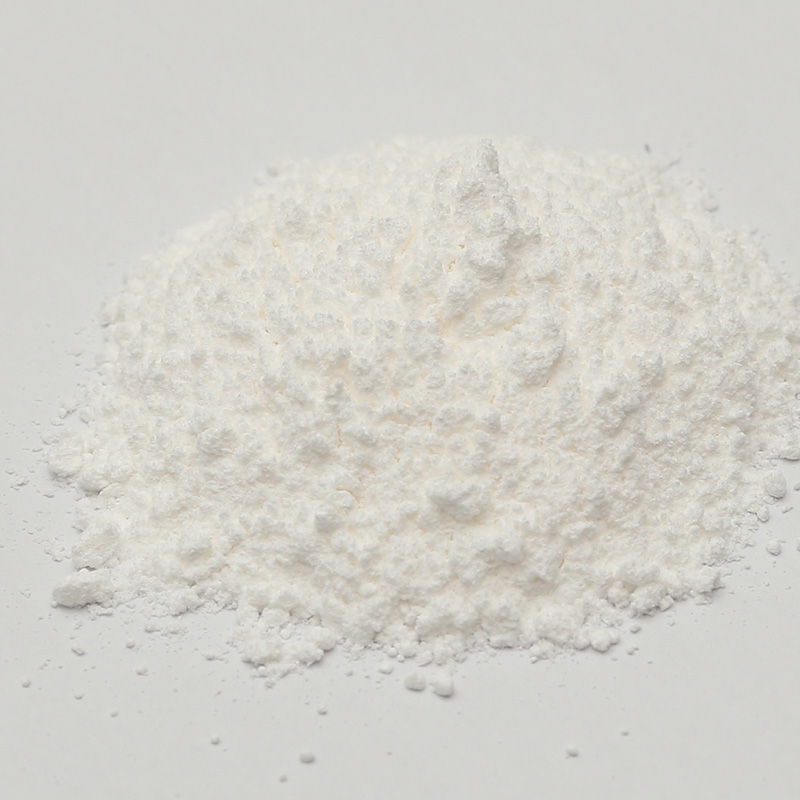
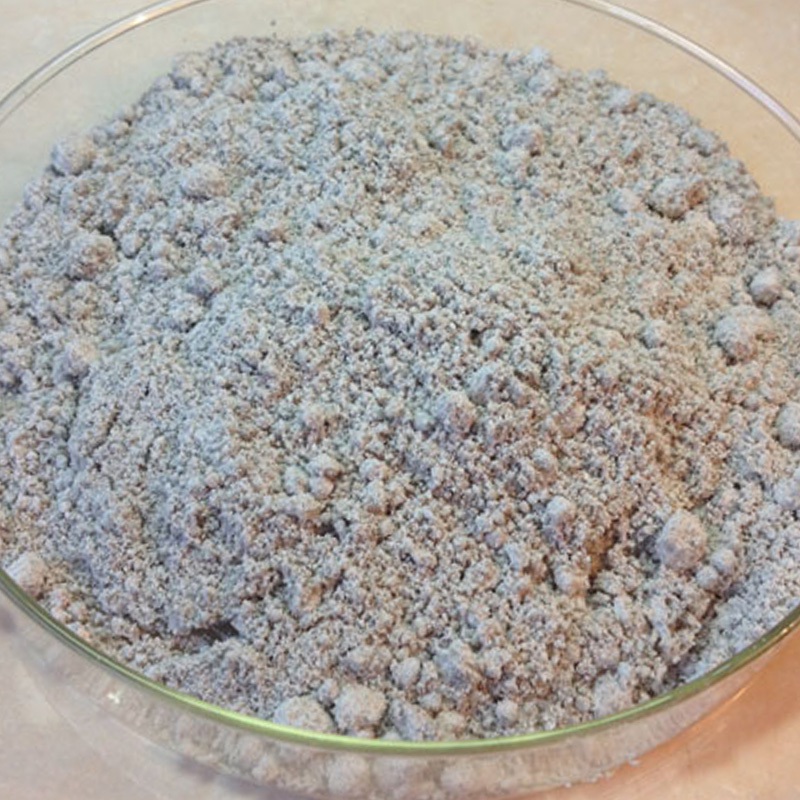
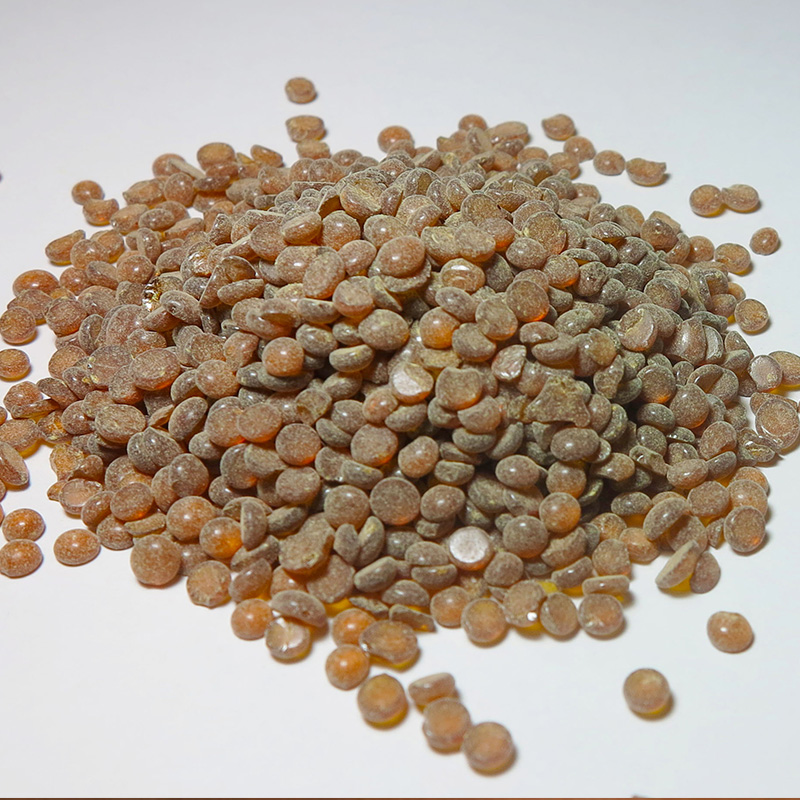
Rubber adhesive agents are chemical compounds added to improve bonding between rubber layers or with other materials.
They can enhance adhesion to metal, fabric, or plastic substrates in composite products.
- Role in Vulcanization:
Besides promoting adhesion, these agents can influence the activation of accelerators and sulfur, indirectly affecting the cure rate.
- Common Types:
Amines, resins, and phenolic-based adhesive agents are frequently used in industrial rubber formulations.
Mechanism of Action in Vulcanization
Interaction with Accelerators:
Adhesive agents may interact with primary or secondary accelerators, slowing or accelerating their activity.
This affects the rate at which cross-links form between polymer chains.
Sulfur Activation Modulation:
Some adhesive agents can alter the availability of sulfur during early-stage curing.
This helps control scorch time and ensures uniform vulcanization.
Polymer Surface Compatibility:
By improving wetting and contact between rubber chains, adhesive agents facilitate consistent crosslinking across the compound.
Factors Affecting Vulcanization Speed
1. Type of Adhesive Agent:
Phenolic-based agents may accelerate vulcanization slightly, while amine-based agents can retard the initial cure.
2. Concentration and Dosage:
Low concentrations may have a negligible impact, while high concentrations can significantly modify curing kinetics.
3. Rubber Formulation:
The presence of fillers, plasticizers, and other additives influences how the adhesive agent affects the cure rate.
4. Processing Conditions:
Temperature, mixing, and pressure during molding or extrusion affect the interaction between the adhesive agent and the rubber matrix.
Effects on Early-Stage Vulcanization
- Scorch Time Control:
Proper use of a rubber adhesive agent can delay premature curing, preventing processing difficulties.
- Uniform Crosslink Formation:
By ensuring consistent adhesion, the agent helps create even crosslink density across the material.
- Reduced Defects:
Reduces problems like surface blistering, uneven hardness, or incomplete bonding.
Impact on Final Product Properties
- Mechanical Strength:
- Effective vulcanization enhances tensile strength and elasticity.
- Adhesive agents indirectly contribute by ensuring uniform curing.
- Adhesion Quality:
Improves bonding between rubber layers or to substrates, critical in hoses, tires, and composites.
- Durability and Aging:
Proper curing facilitated by the adhesive agent extends product life and maintains performance under stress.
Dosage Optimization for Performance
1. Laboratory Testing:
Conduct trials with varying adhesive agent levels to observe effects on scorch time, cure rate, and mechanical properties.
2. Balance Between Adhesion and Cure Speed:
Excess agent can retard curing excessively; too little may not improve adhesion.
3. Industrial Scale Validation:
Pilot runs are necessary to ensure the dosage works under real manufacturing conditions.
Considerations for Different Rubber Types
Natural Rubber (NR):
Sensitive to over-accelerated curing, adhesive agents can help moderate crosslinking speed.
Synthetic Rubbers (SBR, NBR, EPDM):
Interaction with accelerators may differ; dosage must be adjusted accordingly.
High-Performance Applications:
Tires, seals, and hoses require precise control of curing speed for consistent mechanical and thermal properties.
Safety and Environmental Considerations
- Worker Safety:
Some adhesive agents may be irritants; protective equipment is recommended during handling.
- Regulatory Compliance:
Modern formulations often comply with REACH or other environmental standards.
- Waste Reduction:
Optimizing dosage prevents overuse and reduces material waste during processing.
Industrial Applications and Benefits
Composite Rubber Products:
Ensures strong bonding between layers or with fabrics and metals.
Tires and Seals:
Improved adhesion and controlled vulcanization improve longevity and performance.
Flexible and Rigid Rubber Goods:
Properly controlled curing speed ensures desired hardness and elasticity for specific applications.
Why Rubber Adhesive Agents Matter
Rubber Adhesive Agent not only improves bonding but also significantly influences vulcanization speed.
Correct selection and dosage help balance scorch time, cure rate, and final product performance.
Understanding the interactions with accelerators, sulfur, and rubber matrices allows manufacturers to produce consistent, high-quality products.
Optimized use leads to better mechanical properties, uniform curing, and enhanced durability, making adhesive agents a critical component in modern rubber processing.