English
 Português
 Español
 русский
 中文简体
Synthetic rubber is now a staple of modern manufacturing. It sits inside vehicle components, industrial seals, construction materials, and household goods. Because it can be tuned to meet different production demands, it has found a place in a wide range of industries.
Making it takes more than turning out rubber. Manufacturers convert raw materials into products with specific physical properties and intended uses. They also work with product developers, industrial buyers, and other manufacturers as material requirements shift.
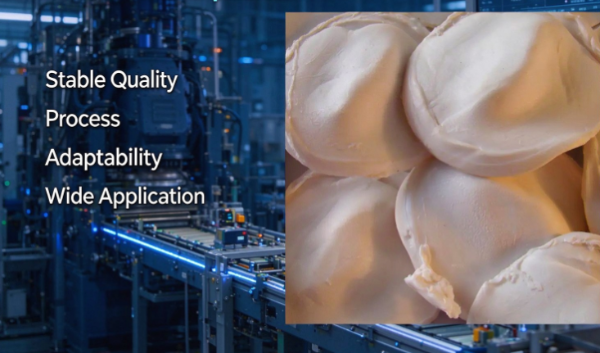
As industrial production keeps evolving, these manufacturers are tied ever more closely to product design, material selection, production consistency, and supply chain management. Their work shapes the materials inside finished products, and it also affects how downstream manufacturers plan and run their own production.
That connection explains why synthetic rubber manufacturers remain a fixture of the industrial supply chain.
What Role Do Synthetic Rubber Manufacturers Play in Industrial Production?
Rubber manufacturers produce rubber materials for different industrial uses. Natural rubber comes from plants. Synthetic rubber is made through chemical processes, using raw materials derived mainly from petroleum.
The goal isn't just to copy natural rubber. Different synthetic types can be developed for particular needs, such as resistance to heat, oil, weather, or repeated mechanical movement.
That makes the material valuable wherever operating conditions are demanding. A rubber part in an engine may have to handle heat and oil. A seal in an industrial machine must stay flexible while keeping connected surfaces tightly in contact. Outdoor rubber products need to withstand sunlight, moisture, and temperature swings.
Manufacturers take on several roles along the way:
- Material production: They make synthetic rubber for a range of industrial uses.
- Material development: They work on formulations aimed at specific application requirements.
- Quality management: They monitor production to keep materials consistent.
- Technical communication: They help buyers understand material characteristics and where each type fits.
- Supply support: They provide the materials other manufacturers need for their own production.
Their responsibility doesn't end at the factory gate. Their materials feed into a much larger manufacturing network. If material quality or availability changes, the effects can ripple through several stages, from component processing to final assembly.
That is why businesses relying on rubber materials treat these manufacturers as key partners.
Why Is Synthetic Rubber Important to Different Manufacturing Industries?
Every industry has its own material problems. Some need rubber that survives constant movement. Others need it to hold its properties around chemicals, moisture, or outdoor weather.
Synthetic rubber offers many options. Manufacturers pick a type according to the physical and environmental demands of the product, and that flexibility explains its broad use.
Automotive manufacturing
Cars use synthetic rubber almost everywhere. Tires, hoses, seals, belts, vibration-control parts, and protective components all depend on it.
These parts work under varied conditions. Some face heat and oil. Others endure friction, pressure, or constant motion. Manufacturers supply materials that can be matched to each need.
Vehicle design keeps changing, and so do the requirements. Electric vehicles, for instance, bring new considerations for sealing, insulation, vibration control, and thermal management. Rubber has to be treated as part of the whole product design, not as a stand-alone part.
Construction and infrastructure
Building projects use rubber in sealing systems, expansion joints, waterproofing, and protective components.
Many of these products stay in place for years and meet changing conditions. Sunlight, rain, temperature changes, and physical stress all affect how a material performs.
Manufacturers serve this sector by supplying materials suited to different building and infrastructure needs. Choosing the right material matters most when the product has to keep working for a long time.
Industrial machinery and equipment
Machines often contain rubber parts that dampen vibration, stop leaks, and protect connected components.
Seals, gaskets, hoses, rollers, and flexible connections are typical examples. Working conditions depend on the equipment and the materials it handles.
A seal on a production line faces different demands from a part inside a hydraulic system. Manufacturers have to weigh the operating environment when choosing a rubber material.
Consumer goods and household products
Synthetic rubber also appears in everyday items. Footwear, appliances, sports equipment, protective products, and many accessories use it.
Here, looks, flexibility, comfort, and durability can all steer material choice. Manufacturers must think about how the rubber will perform in the finished product and how it will work alongside other materials.
This spread of uses shows the material isn't confined to heavy industry. It supports plenty of ordinary goods too.
How Do Synthetic Rubber Manufacturers Develop Materials for Different Applications?
Not all rubber can do the same job. A material made for flexibility has different requirements from one meant to resist oil or repeated friction.
Manufacturers need to grasp these differences before they develop or select a material. The process usually starts with the intended application and the conditions the finished product will meet.
Raw material choice is a big part of this. Different raw materials shape the character of the resulting rubber. Manufacturers look at elasticity, resistance, flexibility, and how well the material suits the planned production process.
Formulation matters as well. Adjusting a rubber's composition changes how it behaves under different conditions. The adjustments must fit the application, though. A formulation that suits one product may be wrong for another.
Several factors commonly guide development:
| Development Factor | Its Role in Material Selection |
|---|---|
| Elasticity | Determines how the material responds to stretching and deformation |
| Heat resistance | Helps establish suitability for applications involving elevated temperatures |
| Oil resistance | Matters when rubber comes into contact with oils or related substances |
| Weather resistance | Influences suitability for outdoor applications |
| Flexibility | Affects how easily the material adapts to movement and product shapes |
| Wear resistance | Helps address friction and repeated contact during use |
| Chemical compatibility | Determines whether the material is suitable for contact with particular substances |
Manufacturing methods for the end product also shape material development. Some rubber goods are molded into set shapes, while others are extruded or made by other processes.
A material that works well in one process may cause trouble in another. Manufacturers must look at both the final application and the processing needs.
Early conversation between material suppliers and product makers pays off. When buyers describe how a component will be used, suppliers can better understand the requirements and suggest suitable options.
This teamwork lowers the risk of picking a material from general descriptions instead of real working conditions.
What Quality Control Measures Matter in Synthetic Rubber Manufacturing?
Consistency is a major concern in industrial production. Even a rubber with the right characteristics can cause headaches for downstream manufacturers if batches differ.
Shifts in flexibility, for example, may disrupt molding. Differences in processing behavior can change the look or dimensions of finished parts. Variations in properties can also affect how a product performs in use.
Quality control tracks these issues through the whole production chain. It goes beyond inspecting the finished material. It covers raw materials, production conditions, processing stages, and storage.
Raw material inspection
The quality of incoming materials affects the final rubber. Manufacturers need to confirm that raw materials meet the formulation's requirements.
If inputs vary a lot between batches, the rubber may vary too. Proper inspection catches potential issues before production moves on.
Production process monitoring
Synthetic rubber production has several stages, and each needs suitable control to stay consistent.
Manufacturers watch production conditions and check whether the material is developing as expected. That helps them spot deviations that could affect the final product.
Material testing
Testing reveals the physical characteristics of the rubber. Depending on the application, manufacturers may examine elasticity, tensile behavior, hardness, resistance, and other relevant properties.
Tests should reflect the product's real requirements. A sealing material needs different evaluation criteria from one used in flexible consumer goods.
Finished product inspection
Before delivery, manufacturers may run further checks on appearance, packaging, labeling, and other product requirements.
Clear inspection procedures also keep suppliers and buyers on the same page. When both sides understand the quality expectations, production differences are easier to identify and discuss.
Quality control, in short, is tied closely to the reliability of the wider industrial supply chain.
How Do Synthetic Rubber Manufacturers Support Modern Product Innovation?
Industrial product development never stands still. Manufacturers keep trying new product structures, production methods, and material combinations to meet new application needs.
Rubber manufacturers contribute by offering material options that adapt to different designs. They may get involved early, while engineers are still deciding which materials to use.
Take an industrial hose. Its design depends on more than its shape. The material must suit the substances it carries, the surrounding environment, and the movement it goes through in operation.
Automotive sealing products raise similar questions. Designers must consider how the rubber interacts with nearby components, how it handles temperature changes, and whether it can keep doing its job over time.
Suppliers can help with these decisions by discussing available rubber types, processing needs, and application limits.
Several areas show how this cooperation shapes development.
Customized material requirements
Some products have conditions that general material selection can't cover. Buyers may need a formulation built around particular requirements.
Manufacturers can discuss changes to composition and processing for the intended use. Not every application needs a brand-new formulation, though. Sometimes an existing material with the right characteristics is enough.
New product structures
Modern products often combine rubber with metals, plastics, textiles, or other materials. Such combinations add design challenges.
Rubber manufacturers must consider how their materials interact with other components. Compatibility, bonding, flexibility, and processing conditions can all affect the final product.
Changes in production methods
Factories keep adjusting their processes. Automation, updated molding equipment, and new product designs can alter material requirements.
Suppliers need to follow these changes so the materials they provide continue to suit the buyer's production environment.
This link between material development and product innovation makes cooperation across the supply chain more important all the time.
Can Synthetic Rubber Manufacturers Help Businesses Address Sustainability Challenges?
Sustainability now weighs on decisions across manufacturing. Businesses look harder at raw material sources, energy use, production waste, product lifespan, and disposal.
Synthetic rubber faces its own set of challenges. Many types rely on petroleum-based raw materials, and production takes energy and careful resource management.
Manufacturers are looking for ways to improve how materials are made and used.
One area is production efficiency. Cutting unnecessary waste, tightening process control, and managing energy use all help make better use of resources.
Another is material development. Researchers and manufacturers are testing alternative raw materials and formulations that could reduce reliance on conventional resources. These need careful evaluation, since a change in composition can alter product properties and processing behavior.
Recycling is a third topic. Rubber is hard to recycle because of its structure and how it's processed. Still, various recovery and reuse methods are being explored for suitable applications.
Manufacturers may look at several sustainability-related areas:
- Raw material sourcing: Reviewing where materials come from and how available they are.
- Production efficiency: Managing energy use and cutting unnecessary waste.
- Material reuse: Exploring ways to recover or reuse suitable rubber.
- Product durability: Considering how material choice may affect service life.
- Waste management: Improving how production waste and discarded products are handled.
Sustainability also depends on working with downstream manufacturers. A rubber that is hard to process or doesn't fit existing recycling systems can create problems later in the product's life.
So sustainability thinking has to reach past the factory. Product design, material selection, use conditions, and disposal options all matter.
Manufacturers should also be clear about the environmental characteristics of their materials. Sweeping claims of environmental benefit aren't enough. Buyers need information backed by proper testing, documentation, or assessment.
What Should Industrial Buyers Consider When Choosing Synthetic Rubber Manufacturers?
Choosing a manufacturer takes more than comparing product descriptions. Buyers need to know whether a supplier can meet their material requirements, production expectations, and delivery needs.
Start with the intended application. A buyer making automotive seals has different priorities from one making footwear or industrial rollers.
Spelling out these requirements narrows the field of suitable materials and suppliers.
Understanding material capabilities
Ask which types of synthetic rubber a manufacturer makes and which applications they target.
Types differ in character. Nitrile rubber is commonly linked to oil resistance, while silicone rubber suits applications where temperature flexibility matters. EPDM is often chosen for products exposed to weather and outdoor conditions.
These examples help show the differences, but the final choice should rest on the full set of application requirements.
Reviewing customization options
Some manufacturers offer different formulations, product forms, or processing options. Buyers should clarify what can be adjusted and whether the supplier has handled similar applications.
Customization might cover composition, color, shape, or other product requirements. Clear communication helps both sides see what is realistically achievable.
Checking quality management
A supplier's quality practices affect material consistency and production reliability.
Buyers can ask how incoming materials are inspected, how production is monitored, and what testing happens before delivery. They can also request product documentation and sample materials.
Evaluating communication and technical support
Material selection sometimes raises questions a catalog can't answer.
A manufacturer should be able to explain material options, discuss application requirements, and be upfront about limitations. Clear communication cuts down on misunderstandings during development and purchasing.
Considering supply and delivery arrangements
Industrial production needs a steady flow of materials. Delays or sudden supply changes can upset production plans.
Buyers should discuss ordering arrangements, packaging, delivery schedules, and whether the supplier can support ongoing demand. This matters most for businesses that use synthetic rubber as a regular input.
Requesting samples before larger orders
Samples show whether a material suits the production process and the intended application.
Evaluation can cover handling, processing behavior, appearance, and relevant physical properties. Where needed, testing should mirror the conditions the finished product will face.
A clear evaluation process lets buyers decide on practical requirements, not general descriptions.
Synthetic rubber manufacturers touch many stages of modern industrial production. Their work spans material development, production management, quality control, and cooperation with businesses in many industries. As product requirements and manufacturing methods keep changing, the relationship between rubber suppliers and industrial buyers stays central to material selection and product development.