English
 Português
 Español
 русский
 中文简体
中文简体Achieving strong and durable bonds in rubber applications depends not only on the selection of the appropriate Rubber Adhesive Agent but also on meticulous surface preparation. The effectiveness of the adhesive is greatly influenced by the condition of the substrates and the method of surface treatment. Proper preparation ensures that the adhesive can form uniform contact, penetrate effectively, and cure properly, resulting in reliable mechanical performance and long-term durability.
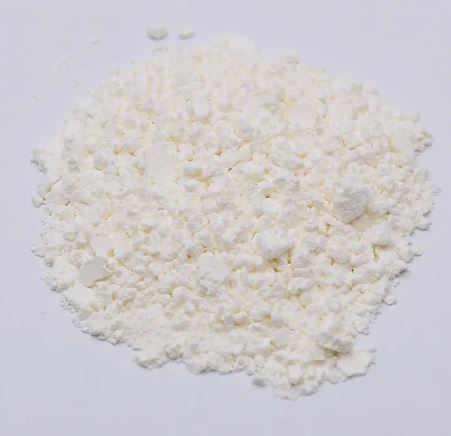
Cleaning Surfaces for Adhesion
The one step in surface preparation is thorough cleaning. Contaminants such as dust, oils, mold release agents, or residual solvents can interfere with the bonding process, preventing the Rubber Adhesive Agent from adhering effectively. Common cleaning methods include solvent wiping, ultrasonic cleaning, or degreasing solutions. In industrial applications, automated washing systems may be employed for high-volume parts. Ensuring a clean surface allows the adhesive to interact directly with the rubber substrate, providing better wetting and stronger chemical bonding.
Mechanical Surface Roughening
After cleaning, creating a controlled surface roughness can significantly improve adhesion. Techniques such as sanding, abrasion, or micro-blasting increase the surface area and create microgrooves that enhance mechanical interlocking. This is particularly important when bonding smooth rubber or combining rubber with metals or plastics. A well-roughened surface works synergistically with the Rubber Adhesive Agent, increasing resistance to shear forces and reducing the risk of delamination under stress.
Preheating and Thermal Conditioning
Preheating surfaces before applying adhesive is another critical step, especially for thicker or low-surface-energy rubbers. Controlled preheating helps remove residual moisture, improves the fluidity of the adhesive, and enhances molecular interaction between the adhesive and the substrate. Proper temperature management is essential; overheating can degrade the rubber or compromise the adhesive’s properties, while insufficient heat may result in incomplete bonding. Preheating ensures uniform curing and optimizes mechanical performance.
Chemical Primers and Surface Treatments
In addition to physical cleaning and roughening, chemical treatments can enhance the effectiveness of a Rubber Adhesive Agent. Primers or adhesion promoters modify the surface energy of the rubber, allowing the adhesive to spread evenly and react more efficiently. The choice of primer depends on the type of rubber, the adhesive chemistry, and the intended application environment. These chemical treatments are particularly valuable for bonding dissimilar materials or when durability is required.
Operational Considerations
Consistent application and environmental control are essential for achieving suitable adhesion. Operators should monitor factors such as humidity, temperature, and curing time, as these can influence the performance of the Rubber Adhesive Agent. Proper handling techniques, including even adhesive distribution and controlled pressure during assembly, ensure that the adhesive forms a continuous, defect-free bond layer. Regular quality checks help maintain consistent results in production environments.
Achieving Reliable Rubber Bonding
The performance of a Rubber Adhesive Agent depends heavily on surface preparation. Cleaning, mechanical roughening, preheating, and chemical treatments work together to create suitable conditions for adhesion. Attention to these preparation steps ensures strong, durable bonds that withstand mechanical stress and environmental challenges. By implementing proper surface treatment protocols, manufacturers can improve the effectiveness of rubber adhesives and produce high-quality, reliable rubber products suitable for a wide range of industrial and consumer applications.