English
 Português
 Español
 русский
 中文简体
中文简体Introduction to Vulcanizing Agent
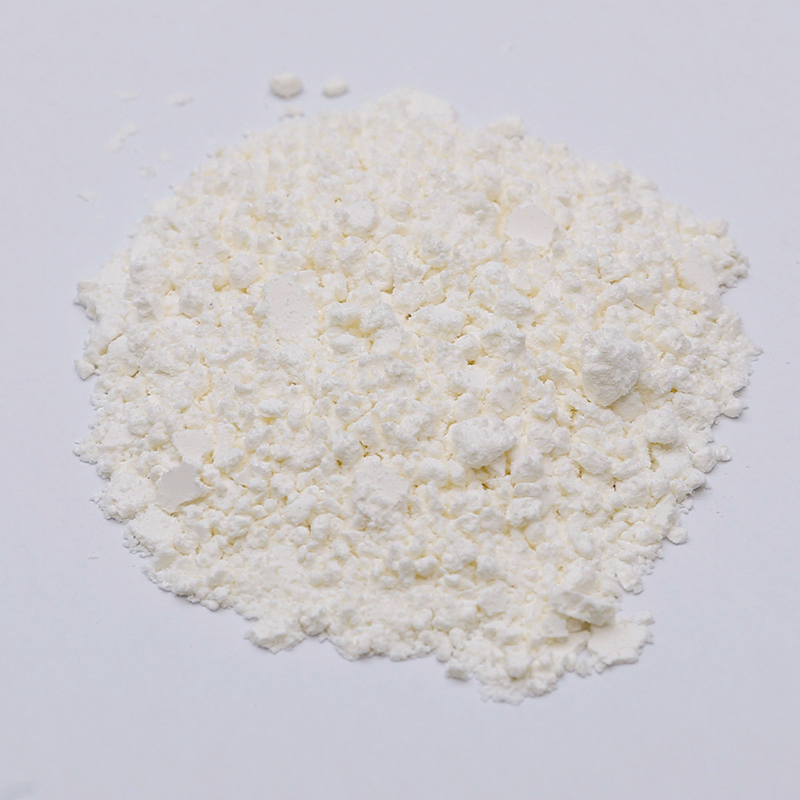
Vulcanizing agents are essential chemical compounds used in rubber processing to initiate cross-linking and improve the mechanical properties of rubber products. Proper curing ensures that the material achieves the desired elasticity, strength, and durability. However, incomplete curing can occur, causing areas of under-processed rubber that are weak, sticky, or prone to deformation. Understanding the causes of incomplete curing and how to address them is vital for both industrial applications and smaller-scale rubber manufacturing.
Common Causes of Incomplete Curing
Incomplete curing with a vulcanizing agent can result from several factors. One primary cause is insufficient heat or uneven temperature distribution during the curing process. Rubber requires a specific temperature range for suitable cross-linking, and deviations can prevent the vulcanizing agent from fully activating. Another factor is the improper dosage of the agent; too little vulcanizing agent may not generate enough cross-links, while overuse can create uneven reactions. Contamination on the rubber surface or improper mixing of the vulcanizing agent can also interfere with uniform curing. Additionally, variations in pressure during molding or shaping can cause uneven material compaction, further affecting the curing process.
Adjusting Temperature and Time
One of the effective ways to correct incomplete curing is to carefully adjust the curing temperature and time. Ensuring that all areas of the rubber are exposed to the correct heat level allows the vulcanizing agent to fully react with the polymer chains. Using well-calibrated ovens, presses, or molds with consistent temperature distribution helps eliminate cold spots that may remain under-cured. Extending the curing time within the recommended limits can also promote complete cross-linking without over-curing the material. Monitoring the temperature closely and adhering to manufacturer specifications is essential to prevent both under- and over-curing.
Proper Mixing and Dosage
Uniform mixing of the vulcanizing agent throughout the rubber compound is critical for consistent curing. Incomplete or uneven distribution can leave pockets of material under-processed. Using precise measurement tools and thorough blending techniques ensures that each part of the rubber receives the correct amount of agent. Following recommended dosage guidelines based on the type of rubber and the specific vulcanizing agent is necessary to achieve suitable results. When working with complex or multilayered components, extra attention to mixing and application ensures that curing is uniform throughout the product.
Surface Preparation and Contamination Control
Rubber surfaces must be clean and free from oils, dust, or other contaminants that could hinder the vulcanizing reaction. Proper surface preparation allows the vulcanizing agent to penetrate effectively and form strong cross-links. In cases where previous curing attempts have left residues or partially cured areas, lightly abrading the surface or removing contaminants can improve adhesion and facilitate a complete curing process during subsequent treatment. Maintaining a clean working environment and using uncontaminated tools also reduces the risk of incomplete curing.
Quality Control and Testing
Implementing quality control measures is essential to identify and correct incomplete curing. Visual inspection, mechanical testing, and thermal analysis can detect weak or under-cured areas before the product is used or shipped. By identifying issues early, manufacturers can adjust temperature, pressure, or mixing processes to ensure that future batches achieve full curing. Routine testing also helps maintain consistent product quality and reduces waste.
Incomplete curing with a vulcanizing agent can compromise the performance and durability of rubber products. By ensuring proper temperature and curing time, achieving uniform mixing and correct dosage, preparing surfaces adequately, and implementing rigorous quality control, manufacturers can effectively address and prevent under-cured areas. Proper management of these factors ensures that rubber components retain their strength, elasticity, and long-term reliability, providing suitable results for a wide range of applications.