English
 Português
 Español
 русский
 中文简体
中文简体Introduction to Melamine Resin
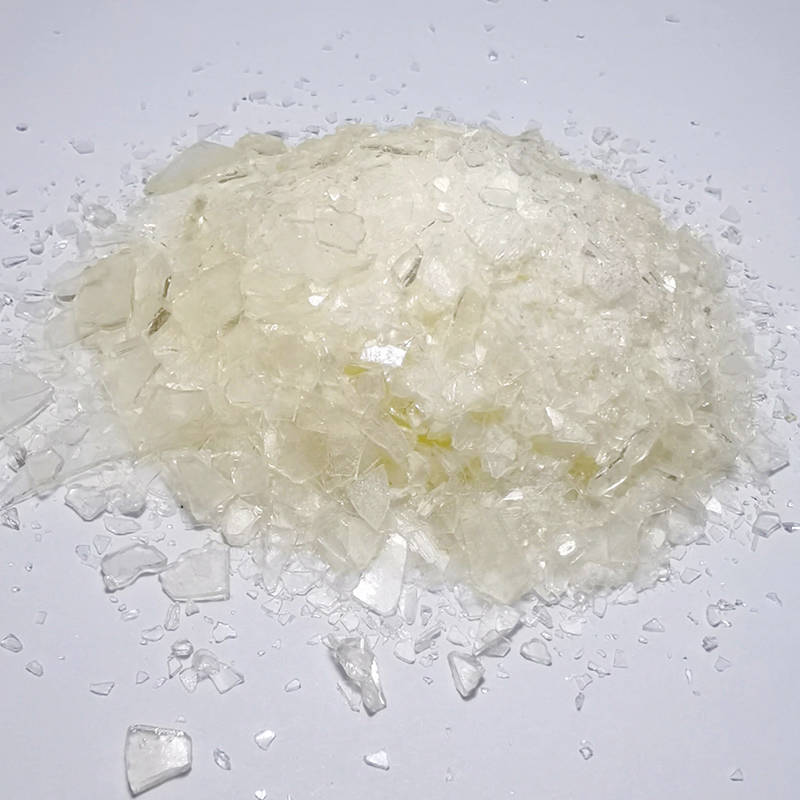
Melamine resin is a thermosetting polymer widely used in coatings, laminates, adhesives, and molded products due to its good hardness, chemical resistance, and thermal stability. One of the key performance indicators for melamine resin is its resistance to aging, which determines how well it maintains physical, chemical, and aesthetic properties over time. Understanding its anti-aging performance is critical for applications in furniture, kitchenware, automotive coatings, and industrial materials.
Factors Affecting Aging
The aging performance of melamine resin depends on several factors, including its chemical composition, curing process, and environmental exposure. Melamine-formaldehyde resins are highly cross-linked polymers, which gives them good stability and resistance to environmental degradation. This dense network structure reduces the likelihood of surface cracking, yellowing, or brittleness under prolonged exposure to heat, light, and moisture. However, external factors such as ultraviolet (UV) radiation, bad temperatures, and chemical contact can influence the rate of aging. High-quality melamine resins are often formulated with stabilizers or additives that further enhance resistance to these environmental stressors.
Resistance to Heat and Chemicals
One of the advantages of melamine resin is its good thermal stability. Surfaces coated or laminated with melamine resin can withstand elevated temperatures without significant deformation or loss of mechanical properties. This makes it suitable for kitchenware, electrical components, and decorative laminates that are regularly exposed to heat. Chemically, melamine resin resists acids, alkalis, and common household cleaning agents, which helps maintain the material’s integrity and appearance over time. Compared to other resins or plastics, melamine resin is less prone to chemical degradation, a key factor contributing to its long-lasting performance.
UV and Weathering Performance
When used in outdoor applications or in environments exposed to sunlight, melamine resin demonstrates good UV resistance, although prolonged exposure may still cause slight discoloration over many years. Manufacturers often incorporate UV stabilizers in the formulation to reduce color fading and maintain surface gloss. Its weathering resistance also allows it to remain functional and aesthetically pleasing under cycles of moisture, temperature change, and mechanical stress. These properties make melamine resin a preferred choice for laminated panels, outdoor furniture, and decorative coatings where durability and long-term stability are essential.
Mechanical Durability
The anti-aging properties of melamine resin are closely linked to its mechanical durability. The high degree of cross-linking and hardness ensures that surfaces remain scratch-resistant, impact-resistant, and dimensionally stable over time. Even after years of use, melamine resin products retain their rigidity and structural integrity, making them suitable for applications that demand both longevity and aesthetic retention. Regular maintenance, such as gentle cleaning and avoiding abrasive materials, can further extend the lifespan of melamine resin surfaces.
Melamine resin exhibits good resistance to aging due to its highly cross-linked structure, thermal stability, chemical resistance, and mechanical durability. While bad environmental conditions, such as prolonged UV exposure or aggressive chemicals, may gradually affect its appearance, the material maintains its functional and aesthetic properties for many years. This combination of stability and durability makes melamine resin a reliable choice for applications that require long-lasting performance and resistance to the effects of time.