English
 Português
 Español
 русский
 中文简体
中文简体Introduction to Rubber Retarders
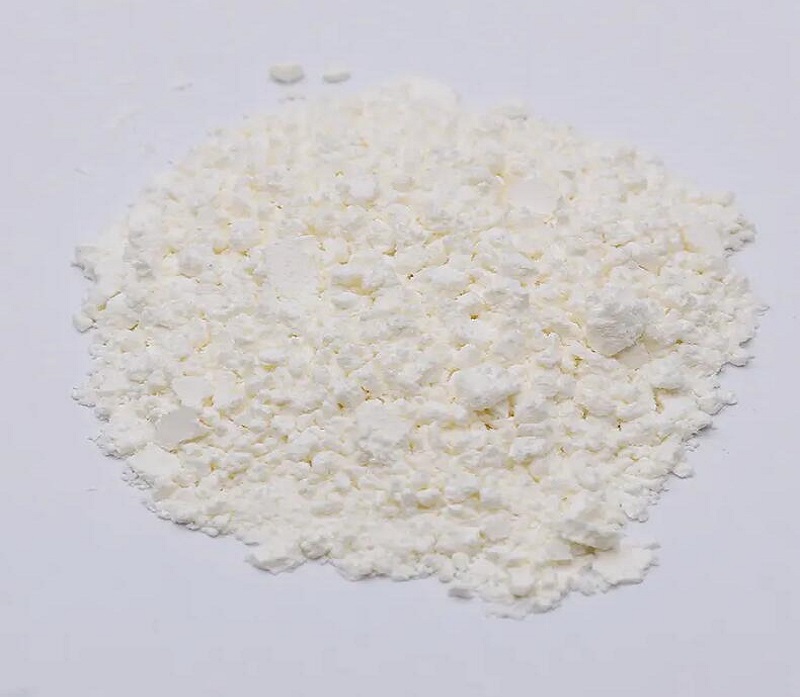
Rubber retarders are specialized additives used in rubber compounding and adhesive formulations to control the curing or vulcanization process. By slowing down the reaction rate, they provide extended working time, improved process control, and enhanced bonding performance. Selecting the appropriate rubber retarders is critical for achieving both high adhesive strength and long-term durability, especially in applications where rubber components are subjected to repeated stress, temperature fluctuations, or chemical exposure. Understanding the types, properties, and application methods of these retarders is essential for manufacturers aiming to optimize product performance.
Factors to Consider in Selection
The one consideration when choosing rubber retarders is compatibility with the rubber compound and adhesive system. Different types of rubber, such as natural rubber, SBR, or EPDM, have distinct chemical structures that interact differently with retarders. Using an incompatible retarder can cause uneven curing, weak adhesion, or even material degradation. It is also important to consider the type of adhesive being used. For instance, solvent-based adhesives may require different retarders than water-based or hot-melt systems to maintain proper curing dynamics and prevent premature bond failure.
Impact on Adhesive Strength
Properly selected rubber retarders enhance adhesive strength by allowing more uniform and complete cross-linking between polymer chains. Slower curing times reduce the risk of internal stresses and incomplete bonding, ensuring that the adhesive fully penetrates the substrate. This is particularly important for applications requiring strong mechanical adhesion, such as automotive seals, industrial gaskets, and rubber-to-metal bonding. By controlling the rate of chemical reaction, rubber retarders also reduce the formation of weak points, cracks, or voids within the adhesive layer, which can compromise the overall strength of the bond.
Contribution to Durability
Durability is another key factor influenced by the choice of rubber retarders. Rubber products often face mechanical fatigue, thermal cycling, and chemical exposure during their service life. By regulating the curing process, retarders help produce a more resilient polymer network that can accommodate stress and strain without failing. Properly cured adhesives exhibit enhanced resistance to environmental factors such as humidity, oils, and UV exposure, extending the lifespan of bonded components. The selection of the right retarder type and concentration is therefore essential to balance curing time with the desired mechanical and chemical durability.
Practical Considerations for Manufacturers
When implementing rubber retarders in production, manufacturers must carefully consider dosage, mixing methods, and processing conditions. Excessive retarder can excessively slow curing, reducing productivity and potentially weakening the bond. Insufficient amounts may cause rapid curing, causing incomplete adhesion and reduced durability. It is also important to test retarders under actual operating conditions to verify that the selected compound achieves the intended balance between workability, adhesive strength, and long-term performance.
Selecting suitable rubber retarders is a critical step for improving both adhesion strength and durability in rubber products. Compatibility with the rubber compound, proper reaction control, and careful dosage are all essential factors to consider. By optimizing these parameters, manufacturers can achieve stronger, longer-lasting bonds while maintaining efficient production processes. Understanding the role of rubber retarders and making informed choices ensures that rubber adhesives meet the rigorous demands of modern industrial applications.